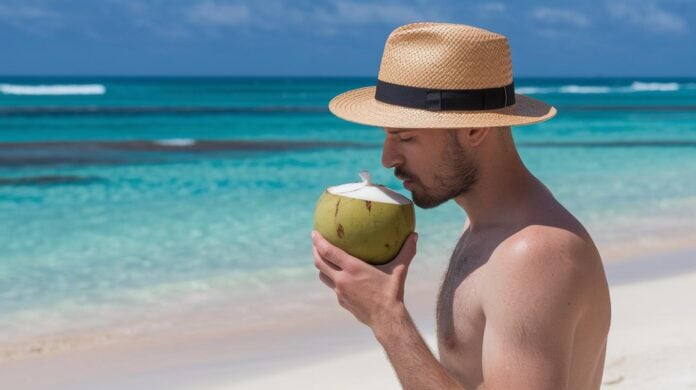
Ever thought about ditching your usual routine for a sun-drenched escape? Costa Rica welcomes you with clear, warm skies and friendly locals who make you feel right at home.
In this guide, you'll discover easy tips on picking the right time to go, handling your budget smartly, and getting around without a hitch. We’ve turned travel planning from a chore into a simple series of steps that lead to pure enjoyment. Dive in and let your next adventure in Costa Rica fill you with wonder.
Executive Summary: Key Costa Rica Travel Tips
Ready to explore Costa Rica? Here are seven handy tips to help you plan your adventure.
- Season: Costa Rica’s dry season lasts from December through April. This is when the skies are clear and the adventure feels extra special, so book early if you want to avoid the rush.
- Budget: Your daily costs can really vary. If you’re backpacking, you might spend around $50, midrange travelers usually budget about $135, and if you’re going for a touch of luxury, plan on roughly $250 a day.
- Water: The good news is that tap water is safe, so you can keep a refillable bottle handy as you set off on your excursions.
- Health: Dengue fever is the main mosquito-related worry here. It’s a smart idea to pack some repellent and wear long sleeves during those breezy dawns and dusky evenings.
- Transport: Public buses are a great way to get around and usually cost between $2 and $20. For trips to more remote spots, renting a car might be a better choice.
- Timing: Traveling during high season means more visitors, but if you’re looking for quieter, more budget-friendly adventures, consider going in the low season.
- Currency: US dollars generally work well, yet it’s a good idea to have some local colones on hand for smaller purchases.
For more detailed route options and in-depth planning, check out Costa Rica travel itineraries.
costa rica travel tips: Embrace sunny island vibes
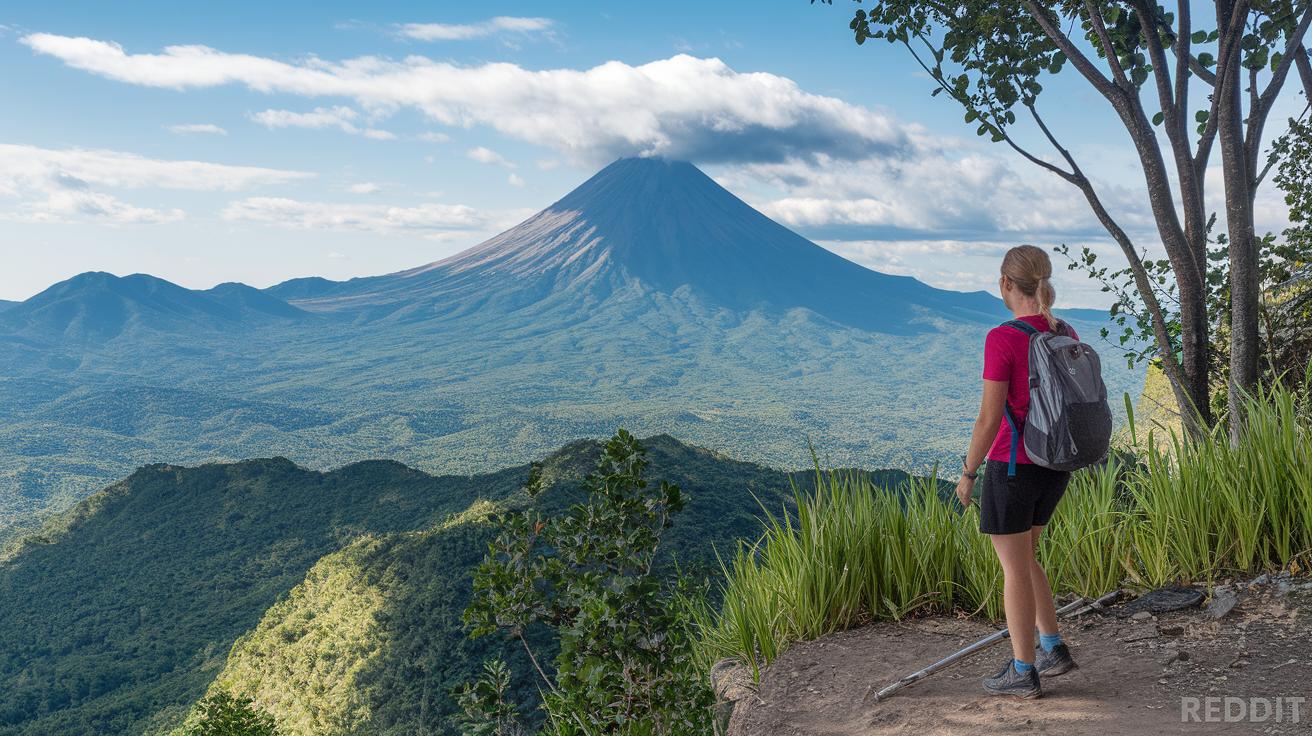
Start your journey in San José and work your way along a flexible loop. Kick things off with some lively hikes near the Arenal volcano, then drift into the dreamy cloud forest of Monteverde while savoring fresh coffee. After that, unwind at Manuel Antonio’s beaches and watch local wildlife, swing by the wild Corcovado in the Osa Peninsula, and end your day soaking up the Caribbean vibe in Puerto Viejo. This route keeps every day fresh and connected, ever thought about switching from a volcano hike to a cloud forest wander in just one day?
When sorting out your daily plans, be sure to leave extra time for travel. A short bus ride might cost somewhere around $2 to $10, while a longer trip may set you back about $10 to $20. Since schedules can differ by area, adding a little buffer between activities is always a smart move.
If you’re aiming for off-the-beaten-track spots, renting a car might give you a lot more freedom. Just remember that the curvy mountain roads need a slower pace. During the busy dry season, booking tours and lodgings ahead of time is key. And don’t forget to rest, a stop at a local sodas (a small roadside eatery) for lunch could turn into an unexpected gem of your adventure. Strike a balance between loop itineraries and simple point-to-point trips to truly enjoy every sunny, lively corner of Costa Rica.
Budget Planning for Costa Rica: Cost Breakdown and Savings
Budgeting in Costa Rica means making every dollar work for your adventure. For example, staying in a hostel dorm for just $15 a night can feel like uncovering a secret gem, leaving extra cash for more exciting activities. Most dorms run between $15 and $25 a night, perfect for travelers who like to save. If you're after a bit more comfort, midrange rooms cost about $135 a day, and if luxury calls your name, upscale options can be around $250 every day.
Local street food is an absolute win for both your taste buds and your wallet. In small, bustling soda spots, a hearty casado meal usually costs around 4,000 to 6,000 CRC, that's roughly $8 to $12 USD. Imagine a delicious meal that's even more affordable than your everyday coffee!
Exploring Costa Rica’s national parks is a must. Entry fees typically fall between $15 and $20 a day. And if you're keen on learning more with a guided tour, expect to spend the starting price of about $60 USD. Getting around is easy too, local buses charge just $2 to $20 per ride, depending on the distance.
| Expense | Cost Range |
|---|---|
| Hostel Dorms | $15 – $25 per night |
| Midrange Accommodation | $135 per day |
| Upscale Stays | $250 per day |
| Casado Meal (Street Food) | $8 – $12 USD |
| National Park Entry | $15 – $20 per day |
| Guided Tours | Starts at $60 USD |
| Bus Transport | $2 – $20 per ride |
With these tips, you can craft a Costa Rican adventure that's both memorable and friendly on your wallet. Enjoy the journey, savor each bite of local flavor, and embrace every moment of your trip as a true adventure.
Staying Safe and Healthy on Your Costa Rica Trip
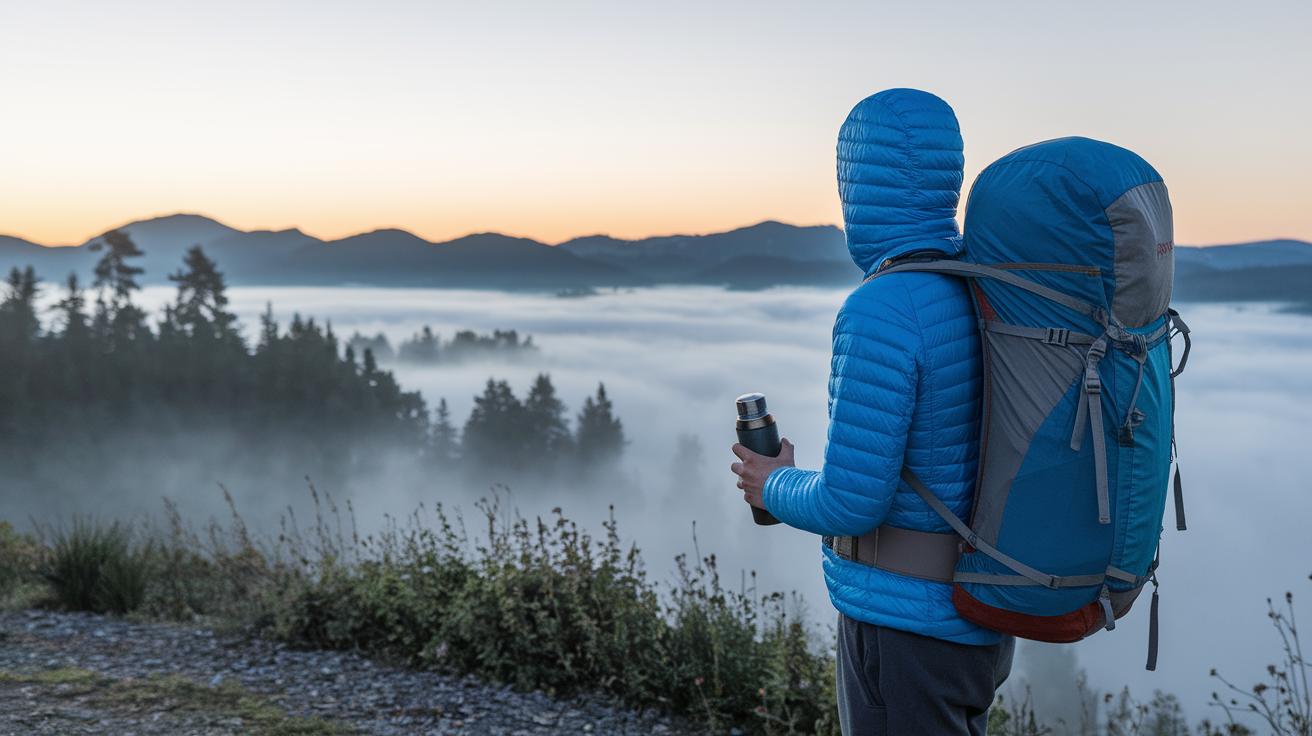
Costa Rica is full of adventures, but a little planning helps you enjoy every moment. Mosquitoes in Costa Rica can carry dengue fever, so it’s smart to pack some DEET repellent and wear long sleeves during the soft light of early mornings and late evenings. Imagine stepping out at dawn with a light mist in the air, protected by your repellent and comfy gear, it’s like a shield that lets you explore without worry.
Good news: the tap water in Costa Rica is safe to drink. That means your refillable water bottle becomes your reliable travel buddy, cutting down on plastic waste and keeping you refreshed. Also, carry a photocopy of your passport. Local police might stop you at random checkpoints. I once heard how one traveler shared a warm smile with an officer after showing a neat copy of their ID, turning a routine check into a friendly moment.
Driving here takes a bit of extra care too. The roads can be narrow and twisty, and when the sun pulls down by 6 PM, everything darkens fast. It’s best to drive cautiously and skip nighttime trips when possible. For a hassle-free journey, grab a local prepaid SIM card for about $10–20 USD. With a box of data at hand, you’ll have quick access to maps, tips, or any little help you might need along the way.
Enjoy your trip, stay safe, and soak up every sunny moment!
Packing for Costa Rica: Essential Gear and Clothing Tips
Costa Rica's weather can shift in a flash, so pack clothes that work for all conditions. Think lightweight, quick-dry shirts paired with shorts or convertible pants, perfect for keeping cool under the hot sun and comfy when unexpected tropical showers roll in. And don’t forget your trusty waterproof rain jacket or poncho, especially during the rainy season from May to November. Picture a bright, sunny morning suddenly giving way to a fun, cool downpour, you’ll be ready for every twist and turn!
When you’re off on volcano hikes or winding jungle trails, a solid pair of hiking shoes or trail runners will be your best travel buddy. Reliable footwear makes those slippery paths feel a lot less daunting. Pair them with reef-safe sunscreen to guard against the intense tropical sun and some insect repellent to keep those pesky bugs at bay. This way, whether you’re scaling rugged trails or strolling through lush forests, every adventure stays safe and super enjoyable.
Round out your travel essentials with a few handy tech and health gadgets. Bring a refillable water bottle since tap water is safe, and consider some water purification tablets just for a little extra peace of mind. A lightweight daypack equipped with a rain cover, a power bank, and a waterproof pouch for your important documents will help keep your stuff secure. And it’s always smart to pack a small first-aid kit for any scrapes or bumps that might happen on the go.
Embracing Costa Rican Culture and Cuisine
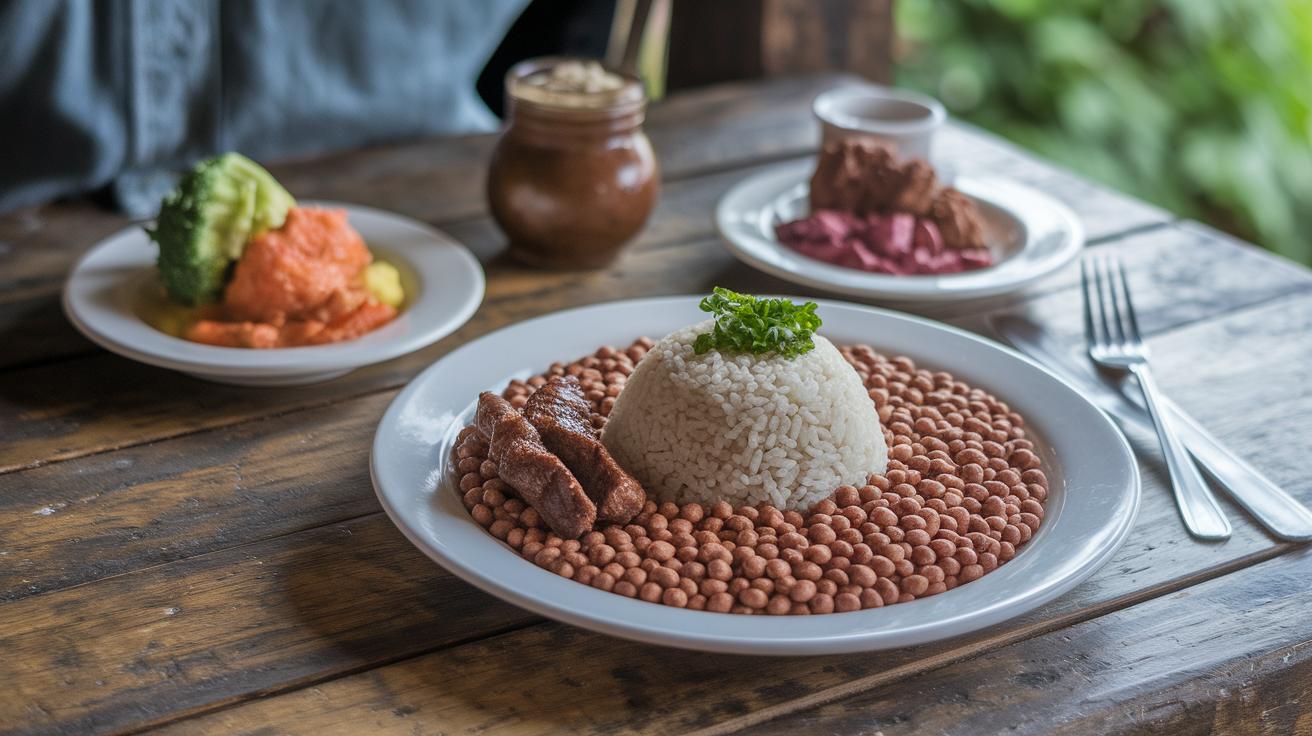
Imagine wandering through Costa Rica and settling in at a humble roadside soda. Here, you can enjoy a casado meal for about 4,000–6,000 CRC (roughly $8–12 USD). Picture a plate filled with rice, beans, meat, and veggies, each bite sharing the warmth and charm of local life.
Before you head off, take a quick glance at your bill. A 10% service fee usually shows up automatically, but if the service feels especially friendly, a little extra tip can really brighten someone's day.
A few simple Spanish phrases go a long way. A cheerful “hola” or a heartfelt “gracias” will make you feel right at home, especially off the beaten path. And while many places accept US dollars, having some colones handy can make your transactions a lot smoother.
| Meal | Cost in CRC | Cost in USD |
|---|---|---|
| Casado Meal | 4,000–6,000 | $8–12 |
| Service Fee | 10% | N/A |
costa rica travel tips: Embrace sunny island vibes
Map out your journey to mix Costa Rica’s must-see nature spots with smart planning. Start your day with an energizing hike at Arenal, where you can enjoy crisp mountain air on winding trails. Fun fact: long before you hit the trail, Arenal's rugged landscape whispers stories of natural power and timeless charm.
Next, blend volcano adventures with stops at Poás and Irazú. At Poás, notice how the crater shifts from a vibrant green-blue as the light changes, while Irazú offers a raw, acidic crater view that really captures nature’s wild side. Then, take a chill break in Monteverde, imagine a peaceful canopy tour in a cloud forest, paired with a delicious cup of locally brewed coffee that tastes a bit like sweet cocoa.
For a smoother trip, consider using local buses or booking guided tours to connect all your stops easily. Drop by Tortuguero NP where, with a small fee, you can join a guided search for nesting turtles, and then carve out some time for Corcovado NP, famous for its unique wildlife sightings. Wrap up your adventure at Manuel Antonio NP, where easy trails and a calm seaside vibe invite you to relax and enjoy nature.
| Attraction | Region | Cost | Highlight |
|---|---|---|---|
| Arenal Volcano | Northern Zone | Free trails | Volcano hikes |
| Poás Volcano | Central Valley | $15 USD | Green-blue crater |
| Irazú Volcano | Central Valley | $16 USD | Acidic crater |
| Monteverde | Puntarenas | $75–85 USD | Canopy tours |
| Tortuguero NP | Caribbean | $16.95 USD | Turtle nesting |
| Corcovado NP | Osa Peninsula | Varies | Jaguar spotting |
| Manuel Antonio NP | Central Pacific | $16 USD | Wildlife trails |
Plan your day so each experience builds on the last, serving up a fresh slice of Costa Rica’s amazing scenery.
Sustainable and Eco-Friendly Travel in Costa Rica
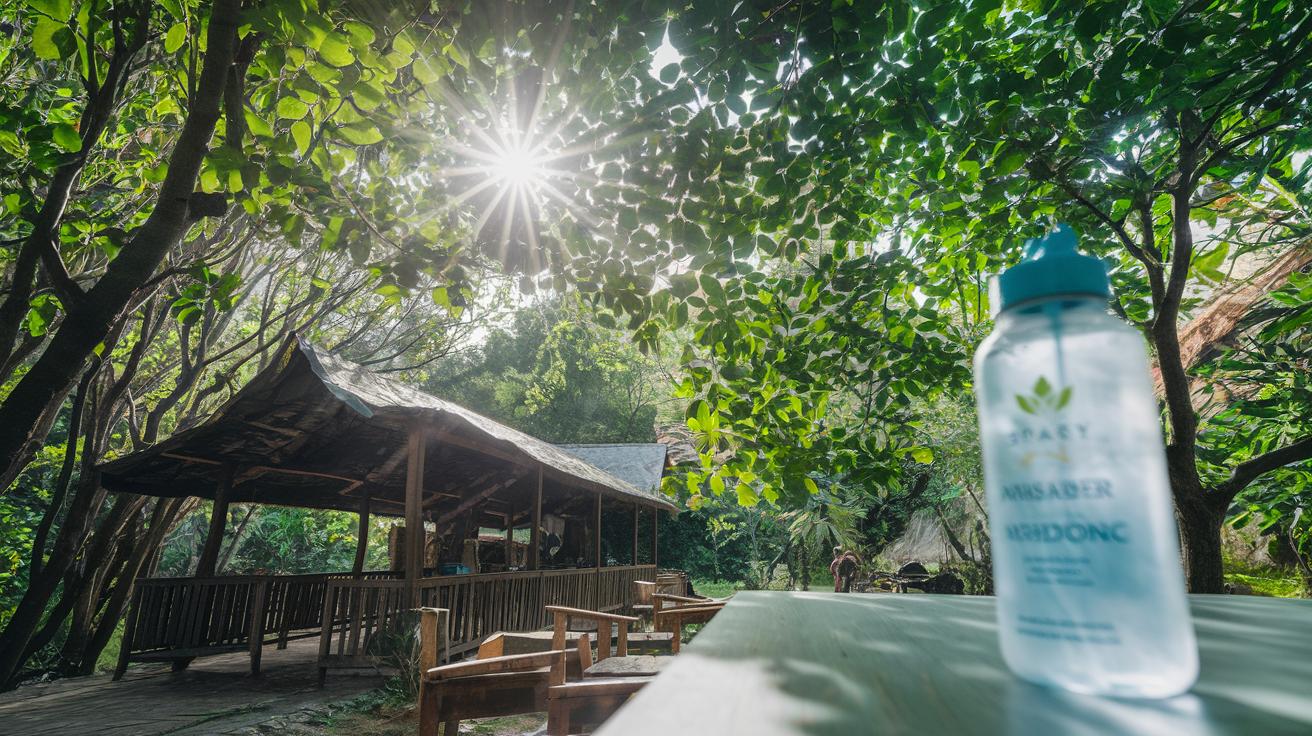
Costa Rica really cares about nature, over 25% of its land is kept safe as protected areas. When you’re planning your trip, try to pick an eco-lodge that puts money back into conservation. These cozy spots give you a comfy stay while helping local projects flourish. Picture a charming lodge nestled among lush greenery, where every visit helps keep the environment vibrant.
Traveling green can be as simple as swapping out single-use plastics for refill stations. Pack your favorite reusable water bottle and choose places that show off their green practices. It might seem like a small change, but every little choice adds up to a happier, healthier planet.
Local guides are another great way to support community tourism and uncover hidden wonders. A friendly guide can lead you to secret natural treasures and share fun stories about local traditions. They might even remind you to admire wildlife from a safe distance so nature can do its thing. Following these tips, you not only enjoy a richer travel experience in Costa Rica but also help protect its stunning natural beauty.
Final Words
In the action, we highlighted a range of costa rica travel tips to help you plan a trip that fits both your budget and style. We touched on itinerary planning, packing essentials, local customs, and safety measures while also exploring top attractions and eco-friendly options. Each tip is designed to simplify your planning and let you fully enjoy Costa Rica's charm. Keep these pointers in mind and set off on a trip that’s as practical as it is unforgettable. Enjoy your adventure ahead!
FAQ
What are effective Costa Rica travel tips from Reddit users?
Reddit users share practical tips on budgeting, booking early, and trying local cuisine. They also advise on timing visits to make the most of clear weather and outdoor excursions.
What does a Costa Rica travel guide typically include?
A Costa Rica travel guide offers clear advice on routes, budgets, weather patterns, and must-visit spots. It details local customs and transport options for a smooth trip planning experience.
What are the travel requirements for entering Costa Rica?
Costa Rica travel requirements cover entry documents, possible vaccinations, and currency details. It’s best to review the latest protocols before you set off on your visit.
What can I expect from a Costa Rica travel blog?
A Costa Rica travel blog blends personal stories with detailed itineraries, local eating spots, and hidden gems. It offers friendly insights and real-life tips to help you plan your visit.
Is Costa Rica safe for tourists?
Costa Rica is generally safe for visitors, with friendly locals and well-patrolled tourist areas. Still, staying aware of your surroundings and securing personal belongings is recommended.
What do Costa Rica travel packages offer?
Costa Rica travel packages bundle flights, hotels, and tours for convenience and value. They simplify planning and often include tickets to popular attractions and suggested itineraries.
How is a Costa Rica map useful for travelers?
A Costa Rica map shows key regions, attractions, and natural parks. It helps with planning routes and discovering areas of interest, making it easier to navigate during your visit.
What does a typical Costa Rica travel itinerary include?
A travel itinerary for Costa Rica outlines daily schedules and popular loops, like San José to Arenal or Manuel Antonio. It balances activity time with travel distances for an efficient trip.
What do many tourists wish they knew before going to Costa Rica?
Many wish they’d known more about seasonal weather, local currency, and transportation options. Early planning for these factors can lead to a more relaxed and enjoyable experience.
What unspoken rules should I follow in Costa Rica?
Unspoken rules include a friendly, respectful attitude, using proper greetings, and showing care for the environment. It’s best to keep your volume low and respect local customs.
How can travelers avoid getting sick in Costa Rica?
To avoid getting sick, use insect repellent, wear long sleeves at peak mosquito times, and drink safely by using refillable bottles. Taking simple health precautions goes a long way.
What should tourists be careful about when visiting Costa Rica?
Tourists should watch for narrow, winding roads, safeguard their belongings, and stay updated on local weather. A little extra caution ensures your trip remains safe and enjoyable.