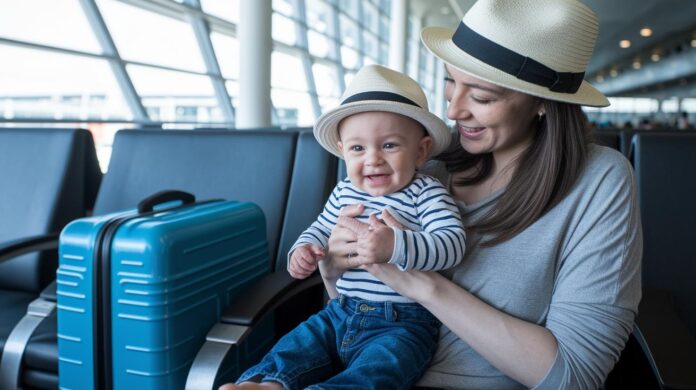
Ever thought that traveling with your little one could be easier than expected? At first, it may feel like a balancing act, trying to keep your baby comfy, safe, and on a sleep schedule that doesn’t always cooperate.
Imagine starting your journey with your baby's favorite blankie, a trusty pacifier in tow, and a few clever tricks up your sleeve to keep the day rolling smoothly. In this guide, you'll find real-world tips and friendly advice that help turn travel worries into calm adventures and joyful memories.
Travel Tips for Traveling with Infants: A Practical Overview
Traveling with a little one can feel like an exciting adventure full of little detours and discoveries. Many parents wonder if their baby will feel safe and snug on the go. You might be thinking about the best car seats, favorite blankets, or even that trusty pacifier that brings comfort during naptime. And, of course, there’s the occasional mess or bout of fussiness that reminds you just how unpredictable travel with infants can be.
It's normal to worry about mixing up your baby's daily routine with the hustle and bustle of airports and busy streets. You might ask, "Will a new place mess up my baby's sleep or mealtime schedule?" With some flights having lap-sitters for infants and different rules depending on the airline, it can seem like you’re trying to pack a magic bag that brings home comforts to every new destination. Every little tool and gadget helps create a familiar space wherever you are on the map.
This guide is like a friendly checklist from a fellow traveler who’s been there. It walks you through everything, from confirming the best infant ticket rules with your airline to double-checking all the safety measures that keep both you and your baby at ease. Imagine saying, "Alright, I’ve got the buckle checked and my backpack ready." With a bit of thoughtful planning, you can make your journey smooth and enjoy every new experience with your little explorer by your side.
Pre-Trip Planning for Traveling with Infants
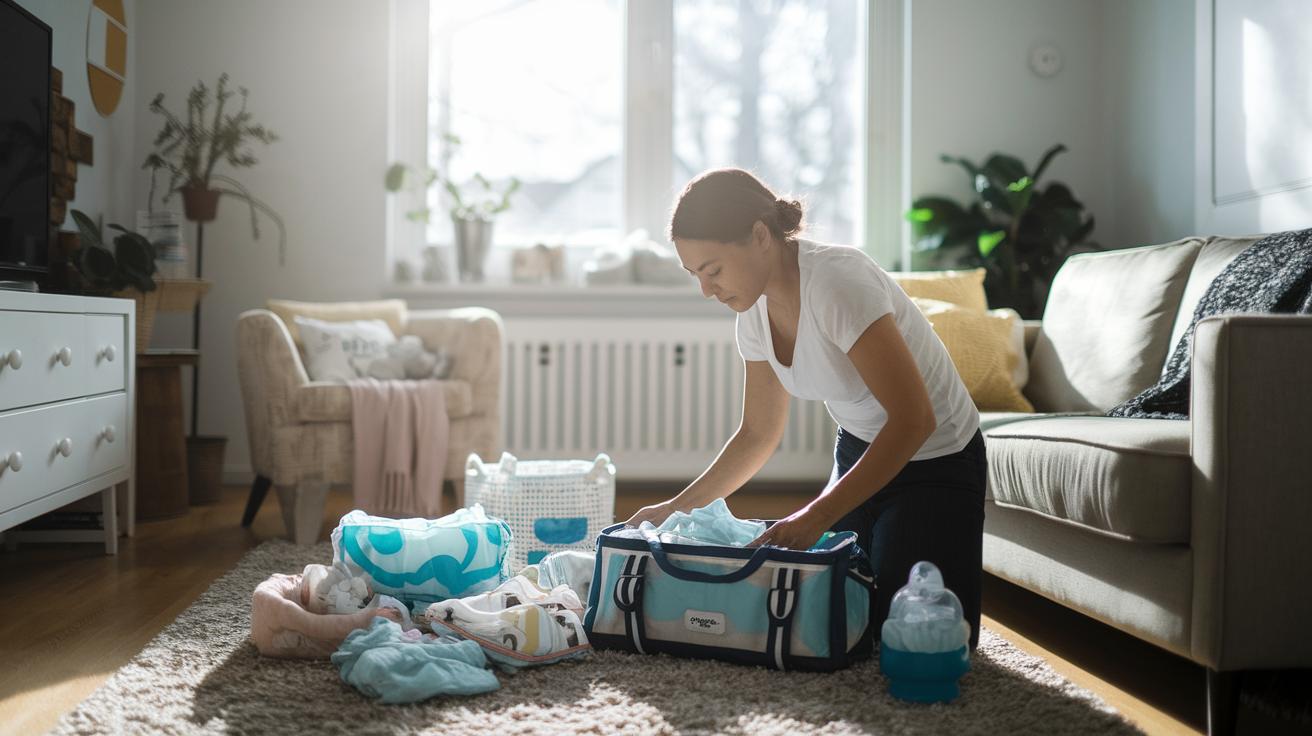
Before you head out on your adventure, make sure you've got everything covered. A little planning goes a long way, so you and your baby can feel at ease from the moment you start your journey.
- First, double-check the airline rules to see if your baby can sit on your lap or if a separate seat is needed. Also, gather important documents like a birth certificate or passport to prove your infant's age.
- Look into how many strollers and car seats you can bring. Many airlines even let you check these items for free.
- Try to get to the airport early. This extra time lets you enjoy pre-boarding and settle in without any rush.
- If you can, request bulkhead seats with wall-mounted bassinets or opt for the back rows. This can help create a quieter space for your little one amid the hustle and bustle.
- If you’re booking a flight with a separate seat for your baby, sign them up for the airline’s frequent flyer program. This way, you start racking up rewards for your next trip!
- Map out your flight schedule and any layovers. Simple travel planning tools, like those found on travel itinerary websites, can be really helpful.
- Lastly, have a quick chat with your pediatrician. It’s a good idea to check that your baby is ready for travel and to review any vaccinations, especially if you’re headed overseas.
When choosing your flights, go for a direct route if you can. This means fewer stops and less waiting around in crowded spaces, which makes the whole experience a lot less stressful. And if the online booking doesn’t show infant ticket options, give the airline a quick call to sort everything out. With these tips in hand, you can relax and focus on creating lovely memories with your little one.
Packing Essentials for Infant Travel
Traveling with your little one can feel like a mini adventure on its own. Having the right gear makes all the difference between a smooth journey and a frantic scramble. Here’s a list of ten must-have items that’ll keep things running as effortlessly as a well-planned road trip:
- Double the number of diapers you’d normally pack
- Extra wipes for those unexpected messes
- A handy travel wet bag for storing soiled items
- Protective covers for strollers and car seats that are gate-checked
- Clear gallon bags to tuck away formula or pureed food
- Pre-measured formula packets to keep feeding easy
- A few extra bottles so you’re never caught short
- A favorite pacifier for that extra bit of soothing comfort
- A sound machine to bring the comforting hum of home into nap time
- A cozy swaddle or sleep sack that pairs perfectly with a compact travel stroller or hands-free carrier
Grouping these items by their purpose can really streamline your packing. For example, keep all your feeding gear, like bottles, formula packets, and baby food, in one section of your bag. Then, reserve a spot for changing essentials such as diapers, wipes, and that trusty travel wet bag. And finally, set aside a separate spot for sleep aids like the sound machine and swaddle. Organizing your items into clear categories means you can grab exactly what you need right when you need it, whether it’s time for a quick feed, a diaper change, or a peaceful nap break.
Travel Tips for Traveling with Infants: Happy Travels
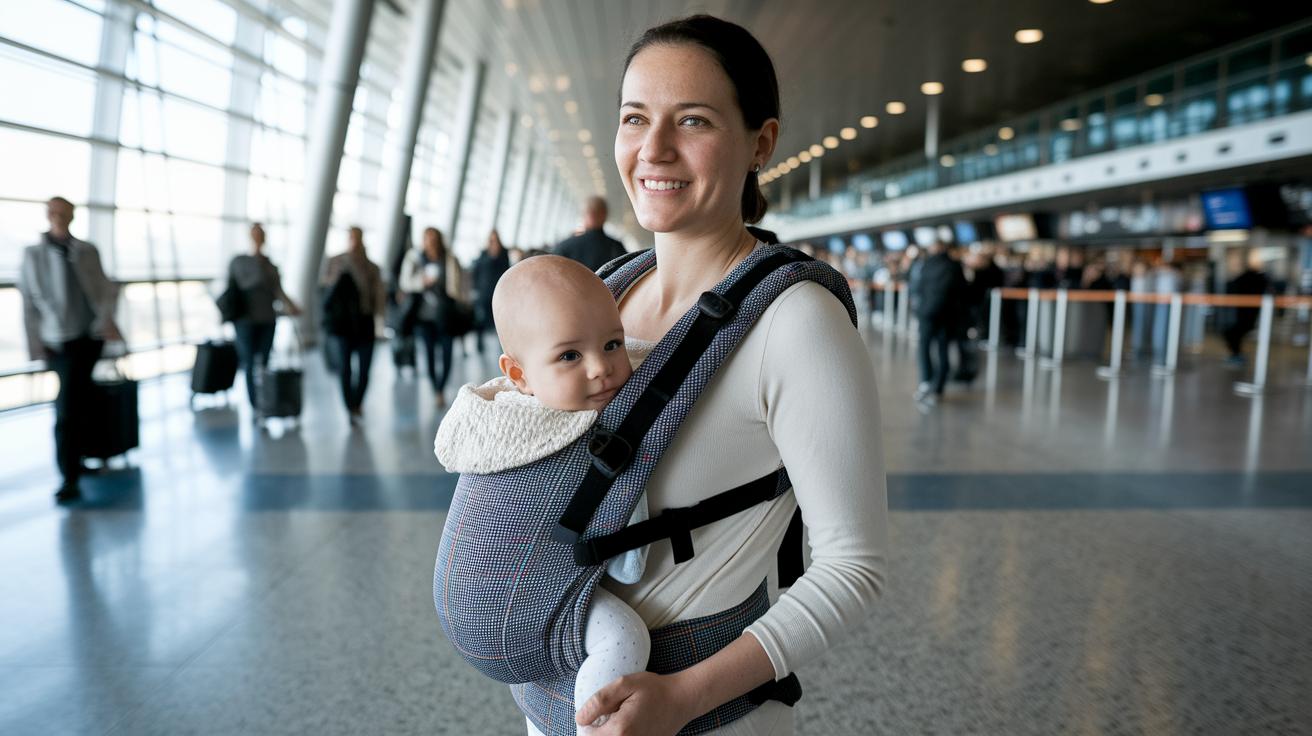
Traveling by plane with a baby can feel a bit daunting, but a few clever tricks can really help smooth out your adventure. When you choose family or fast lanes at security, you skip long waits and get to your gate sooner, letting you focus on more fun parts of your trip. Keeping your baby’s snacks, formula, and puree in a clear bag makes the process quick and easy, just like having your travel essentials right at hand.
- Use family or fast lanes at security to skip long, tiring waits.
- Wear your baby in a comfy carrier to keep your hands free; then, gate-check strollers and car seats using covers that protect them.
- Ask for bulkhead seats with bassinets when you book your flight for added comfort on board.
- Arrive early and pre-board so you have plenty of time to settle in before the plane fills up.
- Offer a pacifier or bottle during takeoff and landing to help ease ear pressure, breastfeeding works just as well, too.
Once you’re on the plane, keeping things calm and cozy is key. Many parents stick to their home routines, even mid-air, which helps your little one relax a bit. Pack a carry-on with extra diapers, wipes, a wet bag, and a spare outfit because airplane bathrooms only have basic changing tables. A gentle background sound, like the soft hum from a sound machine, can also make the cabin feel less noisy. Experiment with different soothing techniques to see what works best for your baby. With a few adjustments, even a busy airport and noisy cabin can feel almost like a familiar, comforting space for both you and your little traveler.
Road Trip Strategies for Infant Comfort and Safety
When you're hitting the road with your little one, keeping them safe and cozy is the name of the game. Trust me, a few simple steps can turn a long drive into a smooth, enjoyable adventure for both of you.
- Stick with a rear-facing car seat until your baby hits two. Make sure that harness fits snugly at or just below the shoulder, you want it to feel like a warm, secure hug.
- Limit your baby's time in the car seat to about two hours at a stretch. It’s kind of like giving them a mini break, so they don't get too cranky.
- Plan to stop every 90 minutes. Use these pauses for feeding, a quick diaper change, or even a little stretch break that lets both of you unwind.
- Keep the car’s temperature just right and use sunshades on the windows. Think of it as setting up the perfect little oasis in your moving room.
- Pack a roadside first aid kit filled with baby-safe supplies. A small kit can be your best friend when little surprises pop up.
- Before each trip, double-check that the car seat is installed correctly. A quick look can save you a world of worry.
Taking breaks in tune with your baby’s natural rhythms does wonders. Not only do these stops help avoid fussiness and fatigue, they also give you a chance to catch your breath and share a few smiles along the way.
On‐the‐Go Feeding and Care for Traveling Infants
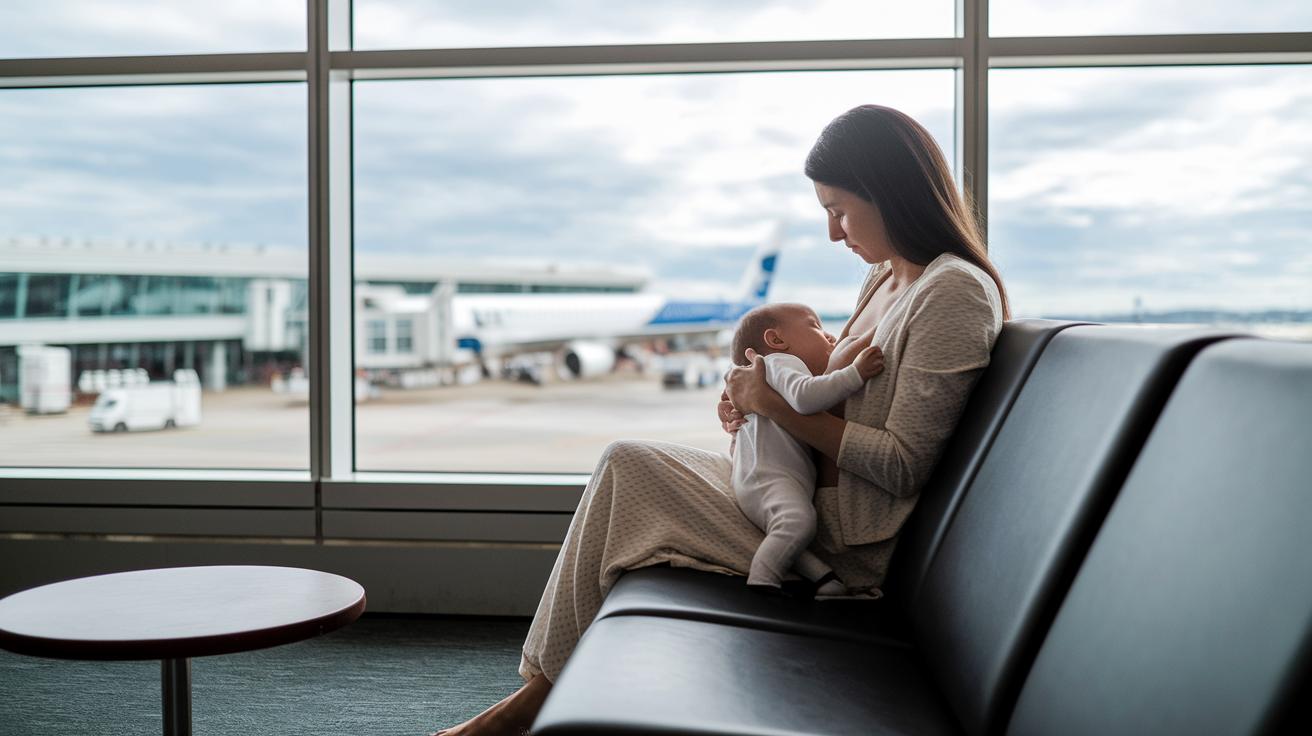
Feeding your baby on the move can feel like a mini adventure, whether you're breastfeeding or formula feeding. When you're nursing, think of it as a little lifesaver, imagine a cozy moment during takeoff when a quick latch calms your baby and even helps ease ear pressure, no extra bottles needed. If you're relying on formula, having an insulated cooler stocked with pre-filled bottles means you won't waste time washing on the plane. And in busy public spots, a nursing cover or a pop-up privacy tent gives you that extra bit of personal space, like finding a quiet corner in a bustling café.
Keeping your baby's feeding routine close to home makes a big difference too. Whether it's enjoying a peaceful breastfeeding session or a formula feed straight from your cooler, sticking to their familiar schedule helps your little one feel safe and content, even amidst the airport buzz.
Here are some handy tips to make diaper changes a breeze:
- Stock up on travel-size wipes for a quick fresh-up.
- Use a hexagonal wet bag to safely store soiled diapers until you can dispose of them.
- Bring extra diapers to cover any unexpected delays or mishaps.
- Keep a small, dedicated pouch with diaper cream and hand sanitizer for quick access.
- Organize all your diaper gear in one spot so you're not scrambling through your bag when time is tight.
Coordinating feedings with your travel schedule really pays off. As you move through layovers and transit times, aligning feeding times with your usual routine makes everything smoother and more enjoyable for both you and your little explorer.
Sleep and Schedule Management for Traveling Infants
When you hit the road with your little one, keeping their sleep routine steady is like reading a favorite bedtime story in a new place, it just feels right. A well-rested baby wakes up with a smile, and familiar sleep aids, like a gentle sound machine, a beloved blanket, or a trusty sleep sack, help turn any space into a cozy home.
Every bedtime routine is a little anchor that keeps your baby calm, even when travel shakes up everyday life. A soothing ritual, maybe a quick warm bath, a gentle mini massage, a feeding, and a short story, acts as a quiet invitation for sleep. These small, consistent practices can transform the buzz of travel into a safe haven for naps and dreams.
- Start your journey with a well-rested baby to avoid kicking off with sleep debt.
- Pack familiar sleep aids, such as a sound machine, a cherished blanket, or a favorite sleep sack.
- Follow your usual bedtime steps (bath, mini massage, feeding, reading) just as you do back home.
- Set up one main nap in a specific spot to keep your little one’s sleep schedule on track.
- If you’re dealing with different time zones, adjust bedtime gradually, about 15 minutes at a time works best.
When entering a new time zone, think of it like slowly adapting to a different rhythm. For shifts under three hours, stick closely to your home schedule. For bigger changes, move bedtime and nap times in small, 15-minute steps each day. This gentle switch helps your baby’s body clock adjust smoothly, keeping sleep peaceful and predictable, even when you’re far from home.
Health and Emergency Preparedness for Infant Travel
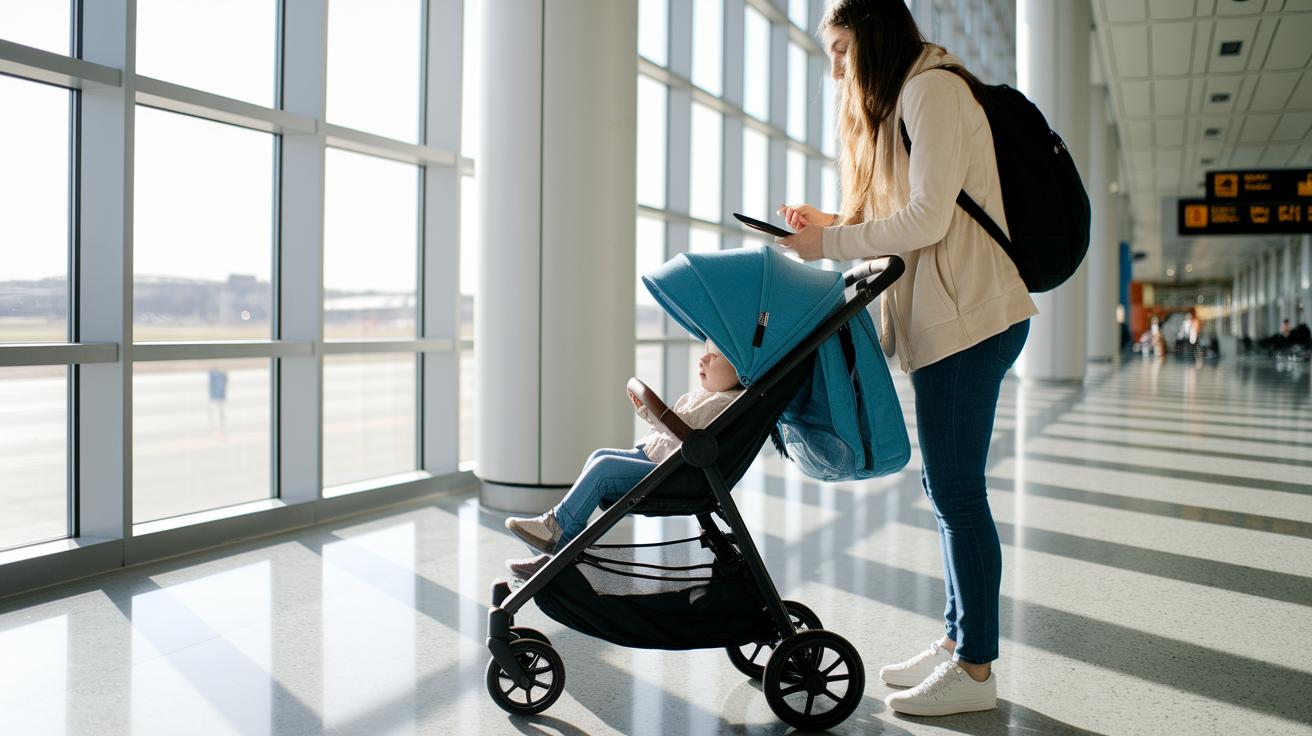
Traveling with your little one is always an adventure, but being ready for surprises makes it all smoother. Think of this checklist as your go-to travel buddy for keeping your baby safe and sound.
- Have a chat with your pediatrician before you go. They can check that your baby is healthy and update any travel-related shots.
- Pack an infant thermometer so you can easily check your baby’s temperature on the move.
- Bring some age-appropriate acetaminophen for any tiny aches or discomforts.
- Toss in a small pack of adhesive bandages for those unexpected scrapes or cuts.
- Keep a travel-sized hand sanitizer handy to fend off pesky germs.
- Make an emergency contact card that lists your pediatrician and the nearest clinic, just in case.
- Store both digital and paper copies of your insurance and medical records in your carry-on, so they’re there when you need them.
Don’t forget, organizing your health records is as important as packing the essentials. Having copies of important documents accessible can make all the difference if your baby falls ill or gets hurt. This way, you can focus on keeping your little traveler happy and comfortable while you navigate any bumps along the road.
Final Words
In the action, this guide broke down everything parents need for a smooth family trip. We shared ideas on planning ahead, packing smartly, air and road travel techniques, on-the-go care, sleep setups, and health checklists. Every tip comes from practical insight to help you handle those everyday surprises. Follow these travel tips for traveling with infants, and turn little bumps into fun memories. Enjoy the trip and keep making those special memories with your loved ones.
FAQ
What travel tips for traveling with infants are shared on Reddit?
The travel tips from Reddit focus on real-life advice like smart packing, early boarding, and planning for unexpected baby needs. These suggestions help make each trip smoother and less stressful.
What are some tips for traveling with an infant by plane?
The airplane travel advice for infants recommends booking bulkhead seats with bassinets, using carriers for hands-free movement, and offering feeding during takeoff and landing to help ease ear pressure and keep your baby comfortable.
What advice is available for international travel with a baby?
The international travel tips for babies suggest checking airline policies, carrying extra documents like passports, and consulting a pediatrician. This guidance helps you prepare for varying rules and ensures your baby feels secure abroad.
What should I know about traveling with a baby by car and when to travel with a newborn by car?
The car travel advice for infants suggests using a properly fitted rear-facing seat, taking breaks every 90 minutes for feedings and diaper changes, and scheduling trips during your baby’s nap times to keep them safe and comfortable.
Is it safe to fly with a 6-month-old baby or a newborn, and when is it appropriate?
The safety of flying with young infants depends on pediatric advice and matching flight times with the baby’s routine. Doctors often clear babies for air travel when conditions, timing, and comfort measures are right.
What is the best way to travel with an infant on a plane?
The best approach to flying with an infant includes booking a direct flight, opting for early boarding, and planning feeding during takeoff and landing to ease ear pressure. This method keeps the flight experience smoother for both parent and baby.
What is considered the hardest age to travel with a baby?
The most challenging phase is when babies become more mobile and vocal. At this stage, you may find that their changing routines and increased curiosity require extra planning and flexibility from parents.
How can I protect my baby’s ears while on a plane?
The recommended method is to offer your baby a pacifier or bottle during takeoff and landing. This encourages swallowing, which helps equalize ear pressure and keeps your little one comfortable during the flight.
How does TSA work with an infant during airport security?
The TSA process for families with infants uses designated lanes where you can keep essential baby items like snacks and formula in clear bags, making security checks smoother and keeping your focus on your baby’s comfort.


