Ever thought about how a trip to Nepal might change your life? Imagine stepping off the plane in Kathmandu, where the clear skies and quiet streets welcome you like an old friend.
This guide is like chatting with a seasoned traveler. It covers all the essentials, from handy visa tips and the best times to visit, to managing those twisty, tricky mountain roads. It feels a bit like packing just the right things for one day of unexpected adventures.
Get ready to plan a trip that perfectly fits your schedule and leaves you with amazing stories to share.
Nepal Trip Planning Essentials
Starting your Nepal adventure is as simple as landing at Kathmandu’s Tribhuvan International Airport, the main doorway into the country. Most visitors need a visa (Indian passport holders are the exception), and fees range from about US $25 to US $100 depending on how long you wish to roam. Remember, your visa must be used within six months of issuance and your passport should be valid for at least that long too. For example, if you’re planning a month-long trip, make sure your documents match the timeline.
The best times to explore Nepal are during Autumn and Spring. From September to November, the skies are cooler and clearer, perfect for taking in breathtaking views and outdoor adventures. And from March to May, the weather stays mild and inviting across most regions, making it a great time to join lively local festivals or go hiking. It’s like nature is inviting you on a scenic journey!
In truth, Nepal’s mountain roads can sometimes stretch your travel time more than you might expect. A trip lasting seven to ten days gives you enough wiggle room to enjoy both the buzz of city life in Kathmandu and the peaceful vibes of the countryside. Even if you’re planning a shorter stay, adding a few extra days can help cover any delays that come your way, ensuring you don’t miss a single hidden gem.
- Main airport entry and transit tips
- Visa types, fees, and valid durations
- Passport validity must be at least six months
- Best travel months to enjoy clear skies and festivals
- A minimum trip length of 7-10 days to fully embrace Nepal
When you plan your journey, keep in mind that Nepal’s rugged, towering landscapes may throw in some surprises like unexpected delays on narrow, winding roads, especially during rainy periods. Planning ahead and allowing extra time can help ensure that every moment of your trip is as smooth and stress-free as a quiet morning in a bustling local café.
Crafting Detailed Nepal Itineraries
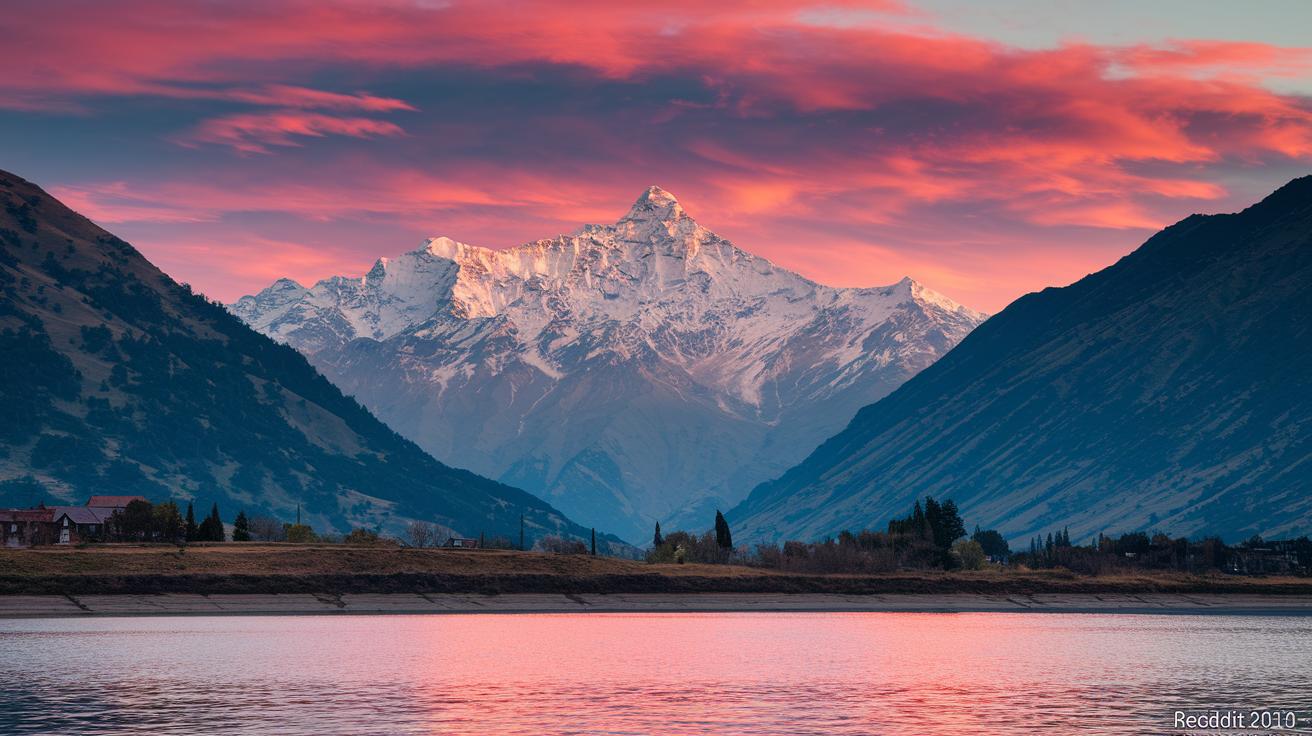
Time-based itineraries are a must when planning your amazing Nepal adventure. Whether you're popping in for a quick cultural escape or diving deep into challenging mountain hikes, planning each day helps you balance travel time with truly soaking in the local flavor. Imagine a seven-day journey that lets you discover the lively urban scenes of Kathmandu while also unwinding amid the tranquil natural beauty, no rush, just pure delight.
| Duration | Route Highlights | Mode of Travel |
|---|---|---|
| 7-Day | Kathmandu & Pokhara | Car/Flight |
| 9-Day | Cultural Tour & Chitwan Safari | Bus/Jeep |
| 10-Day | Langtang Valley Trek | Guided Hike |
| 15-Day | Annapurna Base Camp Trek | Guided Hike |
| 16-Day | Everest Base Camp Trek | Guided Hike |
When you start piecing together your itinerary, keep your budget, fitness level, and the season in mind. For a shorter taste of Nepal, a 7- to 10-day plan might be just right to capture the incredible vibe of the country without too much strain. But if you're feeling extra adventurous, consider a longer journey like a 15-day Annapurna trek or even a 16-day Everest trek. These guided hikes not only help with getting around tricky mountain passages but also offer little insights into local culture. And don’t worry, local guides are easy to find once you land in Kathmandu. They smoothly connect you to the best spots, ensuring your travel fits nicely with both mountain weather and flight times. Matching your plans with what you’re comfortable doing means you can enjoy both the thrilling hikes and the quiet, relaxing moments as you immerse yourself in Nepal’s rich cultural and natural wonders.
Top Attractions in Nepal Travel Guide
Nepal brims with amazing places that will spark your sense of adventure. Whether you’re into peaceful temples, stunning ancient buildings, or breathtaking mountain views, there's something here for everyone. Imagine wandering near sacred temples, exploring heritage sites, or simply soaking in panoramic Himalayan scenes. Each stop reveals Nepal’s rich history and warm, vibrant traditions.
- Kathmandu Durbar Square & Swayambhunath
- Sunrise at Nagarkot
- Bhaktapur Durbar Square heritage tour
- Patan’s ancient courtyards
- Maya Devi Temple in Lumbini
- Phewa Lake cruise & Sarangkot in Pokhara
- Everest Base Camp flight/trek view
- Chitwan National Park wildlife safari
Every spot has its own special vibe. In Kathmandu Durbar Square, the old stone buildings echo stories of the past, while nearby Swayambhunath offers a peaceful, spiritual retreat that feels like a hug from history. Over at Nagarkot, watching the sunrise drape the Himalayas in gold is a moment you won’t forget. Wander through the medieval streets of Bhaktapur and Patan, and you’ll feel like you’ve stepped into a living museum. At Lumbini, the quiet Maya Devi Temple stands as a gentle tribute to Buddhist beginnings. For nature buffs, a calm boat ride on Phewa Lake or a short walk at Sarangkot brings you closer to natural beauty. And if you’re up for adventure, a flight over Everest’s base or a thrilling safari in Chitwan, home to over 600 wildlife species, will leave you buzzing with excitement.
Essential Nepal Travel Tips & Safety Guidelines
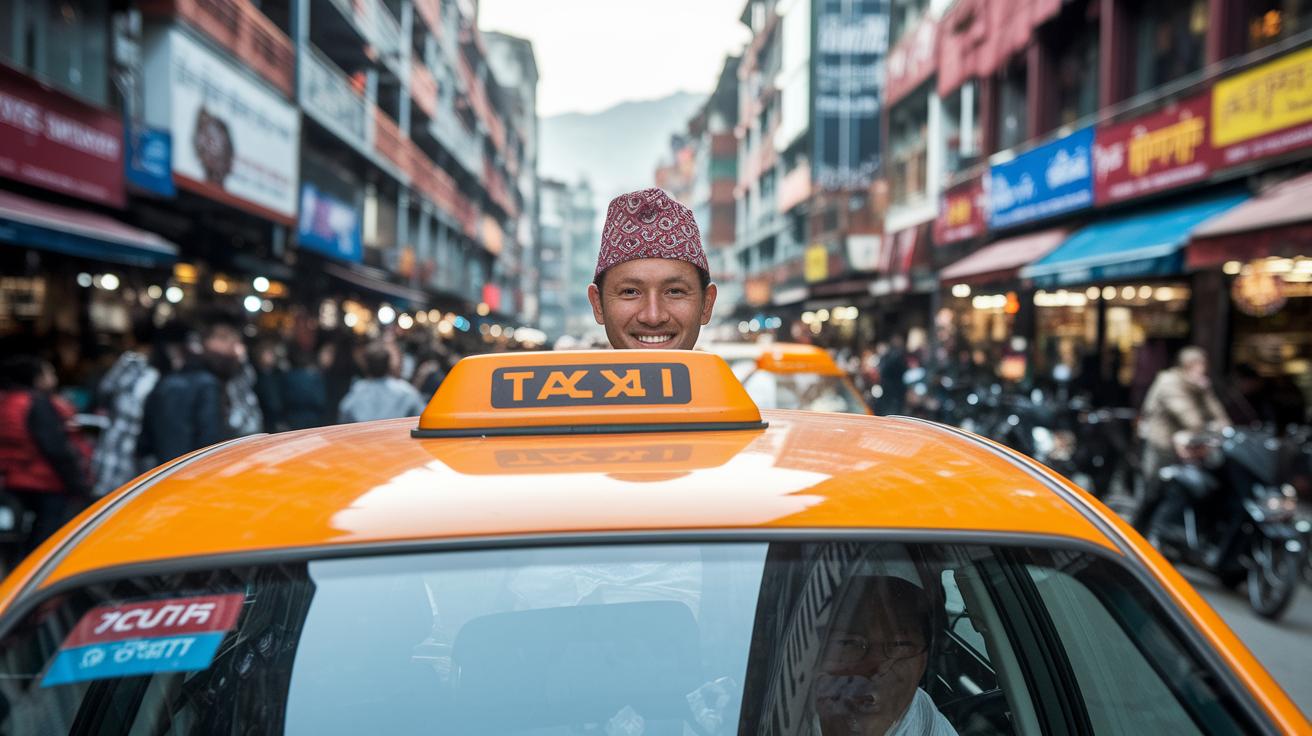
When exploring Kathmandu or Pokhara, hopping into a metered taxi or grabbing a ride at a prepaid counter is super simple. Just chat about the fare before you climb in because fuel prices can change things a bit. A friendly "Namaste" (a basic Nepali greeting) goes a long way, one traveler shared, "I always started every ride with a warm Namaste, and it set such a positive tone!"
Using public transport? It’s a good idea to agree on the fare right away to avoid any overcharging. A lot of locals speak English, which makes figuring out prices and routes a bit easier. This little tip can save you from any awkward surprises and keep your day flowing smoothly.
If you're a solo traveler or a brave female explorer, safety should always be top of mind. Stick to well-known routes, try to team up with a buddy when you can, and keep your eyes open. Nepali locals are known for their warmth and help, but a pinch of caution helps you feel extra at ease on your adventures.
For those keeping an eye on their budget, here’s a handy tip: grab a local SIM card for cheap connectivity, use ATMs at popular banks to skip extra fees, and set a daily spending limit. One traveler even managed to cover meals, small fares, and entry fees with just about $20 a day, keeping the trip both enjoyable and affordable.
Nepal Trekking Planning & Himalayan Advice
Planning your trek in Nepal isn’t something to skip, it’s your best friend for a safe and exciting journey. When you know what’s ahead, like thin air at high altitudes or sudden weather changes, you can pack smart and plan a pace that suits you.
Think about famous treks such as Everest Base Camp, Annapurna Sanctuary, Mustang, or Langtang Valley. Each trek has its own permits that you either secure in advance or once you get to Kathmandu. It’s much like packing for a long haul: you need layered clothes, sturdy trekking boots, and gear to handle unexpected weather twists. And remember, letting your body adjust slowly by planning rest days is key when stepping into thinner air.
It helps a lot to mix your personal fitness and dream trek goals with the challenges of each trail. Local guides are a real gem, often waiting at KTM airport with friendly smiles and insider tips on trail conditions and secret shortcuts. They can help create a daily plan that fits in rest stops, water breaks, or even a little remedy for altitude blues.
Lastly, keep an eye on the seasons. Autumn and spring tend to offer mild weather and clear skies, while winter’s chill or the summer landslide risks call for extra caution. Enjoy the adventure, and stay safe on your Himalayan journey!
Kathmandu & Pokhara Excursion Guide
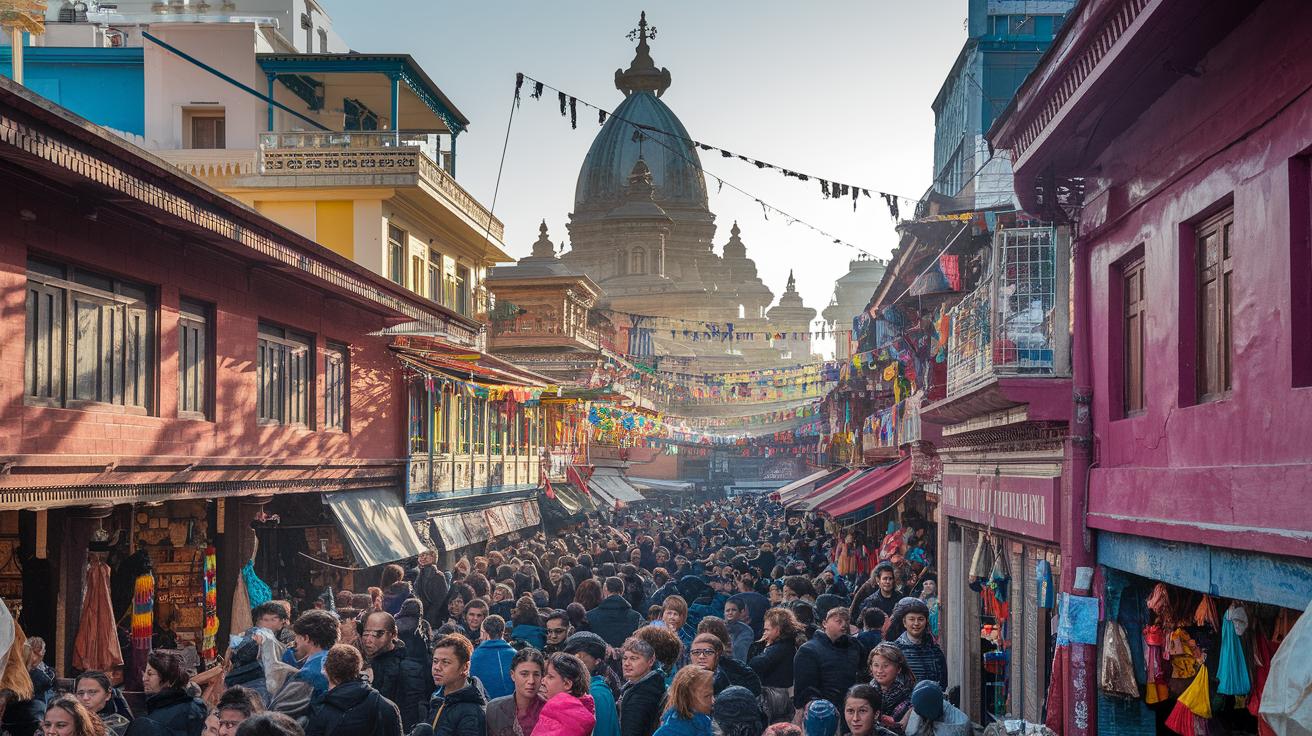
Walking through Kathmandu, you quickly notice a vibrant mix of ancient temples, bustling markets, and lively streets, each offering a burst of color and energy. Step off a metered taxi or squeeze onto a local bus, and you instantly feel the heartbeat of the city. At first, the charming chaos might feel a bit much, but it soon becomes a playful invitation to explore Nepal’s deep-rooted culture. You can even use prepaid taxi counters, which take the stress out of getting around so you can focus on discovering hidden alleys and historic wonders.
When it comes to reaching Pokhara, you’ve got two easy choices: take the scenic road trip or hop on a short domestic flight. A road adventure lets you peek at the stunning countryside and feel the pulse of rural Nepal as you wind along the highways. On the other hand, catching a quick flight means less time in transit and more moments to soak in Pokhara’s natural beauty. Each option offers its own vibe, depending on whether you’re in the mood for a journey or straight to relaxation.
In Pokhara, there’s so much to do. Picture yourself on a calm lake cruise across Phewa Lake or soaring above the valley with a thrilling paragliding flight. Booking these adventures is a breeze, just chat with your hotel or stop by a local travel counter. One traveler mentioned how easy it was: “Booking a paragliding ride was as simple as a friendly conversation at the front desk.” Whether you choose a tranquil boat ride or an exhilarating glide high in the sky, Pokhara is ready to treat you to unforgettable experiences.
Accommodation Options in Nepal Travel Guide
Nepal has a little something for every traveler, whether you're saving pennies or looking to splurge. In cities like Pokhara and Kathmandu, you can choose from cozy, budget-friendly rooms to fancy, upscale stays. Every spot has its own charm, letting you pick a place that fits your style and budget.
If you're backpacking on a shoestring, budget hostels can cost under US $10 per night. These spots let you soak up the local vibe without breaking the bank. And if you want a bit more comfort, mid-range hotels cost around US $20–50 per night, offering extra coziness and a touch of convenience.
When you're in Kathmandu, take a stroll by heritage hotels where the old-world charm meets modern comforts, or even check out signs from international chains that offer familiar service. Many travelers say it's smart to book ahead during busy seasons, ensuring you snag your favorite spot in the neighborhood you love.
For those moments when you really want to relax in style, five-star luxury resorts in prime locations can go for about US $200 per night. These resorts dazzle with excellent service, elegant decor, and top-notch facilities that make your stay feel extra special. A good tip: always peek at recent reviews and compare a few booking platforms. A quick call before you book can clear up any questions about cancellation policies or included extras.
And if you’re traveling with family or simply want to dive deep into local culture, rural homestays are a dream. These welcoming spots often include home-cooked meals and a warm, friendly atmosphere that makes you feel like part of the family. It’s a perfect way to experience the heart of Nepal and create memories that feel like home.
Cultural Exploration & Local Cuisine in Nepal

Nepal’s rich religious traditions shape everyday life. Every street and corner bursts with Hindu and Buddhist customs. Festivals like Dashain and Tihar create a cheerful buzz, drawing locals together for prayers at ancient temples. I once met a traveler who said, "I joined a sunrise puja and felt the warm embrace of shared spiritual moments." These celebrations are a nod to Nepal's age-old customs and a lively invitation for everyone to join in.
But there’s more than just festivals. Often, you'll find yourself invited into a local home for dinner, where meals turn into cherished stories and heartfelt memories. Sitting down for a shared meal makes you feel like one of the family, experiencing the soft, welcoming spirit of the community.
Kathmandu is a real treat for food lovers. Imagine a big, comforting plate of dal bhat, a mix of rice, lentils, and vegetables that locals rely on every day. And then there are momo, those delightful steamed dumplings that win over almost everyone. If you wander through the narrow alleys of Thamel, you'll encounter a burst of spicy, savory flavors that perfectly capture the taste of Nepal. One food enthusiast remarked, "The taste of momo is an unforgettable sensory delight."
Remember to be respectful when enjoying street food or visiting ancient temples. A quick ask before taking photos shows your care for local traditions.
Seasonal & Climate Guide for Nepal Regions
Nepal offers a mix of climates that suit every traveler's taste. In the lush lowlands like the Terai, you'll find a warm, humid vibe that fills the air with energy. As you head into the mid-hills, days turn milder and nights grow cooler, setting the scene for some really local experiences. Up in the alpine peaks, the air is crisp and the views are simply breathtaking, perfect for nature lovers. For the best weather, many travelers choose the pre-monsoon (March–May) and post-monsoon (September–November) months when the skies are clear and conditions are just right for outdoor adventures.
From June to August, Nepal enters its monsoon season. Heavy rains can lead to landslides and even wash out bridges along rural trails. So if you're trekking or driving, keep your eyes peeled because even familiar paths can turn unpredictable in a flash.
Between December and February, the mountains get pretty chilly. But that also means fewer crowds and friendlier prices. If you bundle up with plenty of warm, layered clothes, this quieter season can turn into a rewarding and budget-friendly escape.
Eco-Friendly & Responsible Nepal Travel
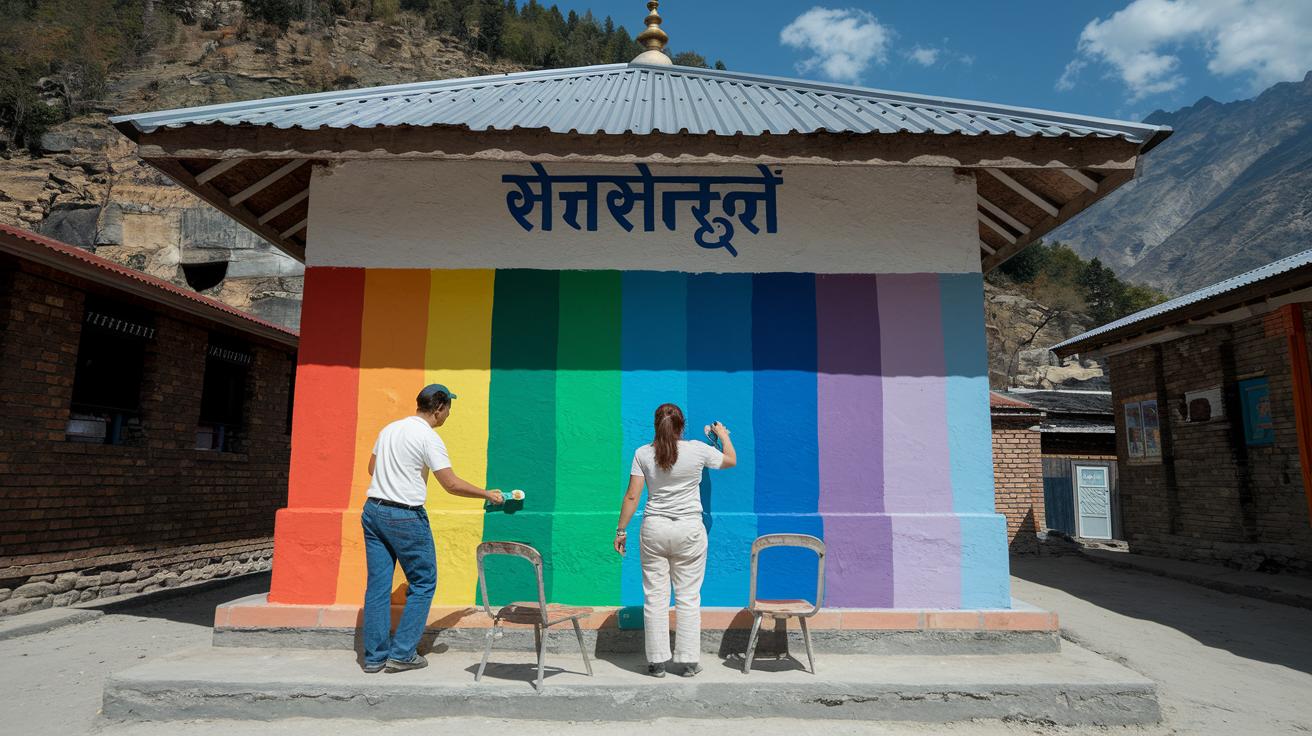
Volunteering in Nepal is a real hands-on way to help local communities recover after the 2015 quake. Many projects work hard to rebuild schools and roads in small villages. I once heard a traveler say, "I joined a week-long volunteer project to fix a local school, and it completely changed my view on community strength." These efforts not only help areas rebuild, they let you feel the genuine warmth and spirit of Nepal.
Eco-tourism in spots like Chitwan and Annapurna gives you a chance to see wildlife conservation up close and support sustainable local livelihoods. Organized trips take you into protected areas where local guides and villagers team up to care for precious natural habitats. Sometimes, these tours include visits to conservation centers, where you learn how everyday actions protect Nepal's unique animals and plants. It’s a journey that’s both eye-opening and full of purpose.
For digital nomads, Nepal is a surprisingly smart choice. In lively cities like Kathmandu and Pokhara, you’ll find cozy co-working spaces that mix a creative, connected vibe with the country's old-world charm. Need to stay linked up for work? Grabbing a local SIM card at a prepaid counter is a breeze. This mix of modern amenities and traditional flair makes Nepal the perfect place to work and explore at the same time.
Final Words
In the action, this post laid out entry details, visa steps, prime months to visit, and how Nepal’s hills shift travel times. It walked through crafting detailed itineraries, noting main attractions, safe transport options, and local food tastes. Budget stays and eco tips round out our nepal travel guide, making planning smooth and stress-free. Each section offers a friendly nod to smart planning and personal touches. Enjoy these insights and have a great time planning your next remarkable trip.
FAQ
What are the different formats available for Nepal travel guides?
The Nepal travel guide comes in printed books, PDF versions, detailed itineraries, and region-specific options like a Kathmandu guide. These options offer ready-to-use details that help with easy planning.
Is there a Nepal travel guide route designed for travelers from India?
A Nepal travel guide made for travelers from India includes tips on border crossings, local customs, and logistics, making trips from India smoother and more accessible.
What should I know about Nepal travel requirements?
The Nepal travel requirements call for a passport valid for six months and a tourist visa, usually costing between US $25 and $100, which must be used within six months of issue.
How can using a Nepal travel agency improve my trip?
A Nepal travel agency arranges local bookings and itinerary planning, offering expert advice that helps you tap into insider knowledge and seamless travel arrangements.
How many days in Nepal is enough for a visit?
The recommended length of stay in Nepal is seven to ten days, allowing you adequate time to account for mountainous travel conditions and explore key cultural and natural sites.
Is it safe to travel to Nepal right now?
Nepal is generally safe for travelers, with positive reviews from solo and female visitors who follow basic precautions and respect local customs in popular tourist areas.
Which month is best to visit Nepal?
Ideal travel months for Nepal are in autumn (September–November) and spring (March–May), when clear skies and moderate weather create perfect conditions for exploring.
What are the do’s and don’ts for travelers in Nepal?
Nepal travelers should dress modestly, remove shoes before entering temples, agree on prices beforehand, ask permission before taking photos, and follow local etiquette for a respectful experience.