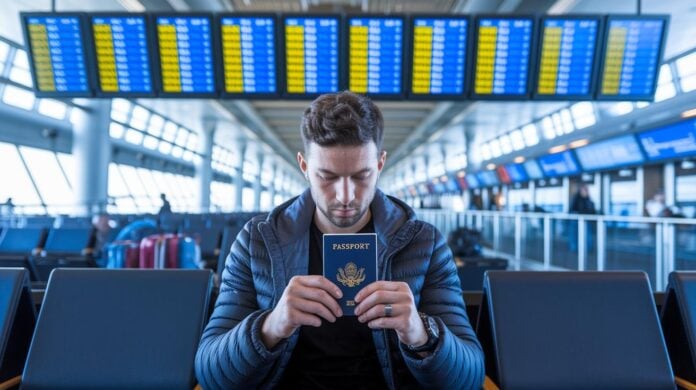
Have you ever discovered that your passport expired just when you were about to leave? I’ve felt that panic, and it’s a pricey reminder to always double-check before you travel.
Start by taking a peek at your passport’s expiration date a few months before your trip, just like you check your travel itinerary. And if there are any fees for renewal, get a heads-up on those too. I always recommend making a couple of backup copies of your passport, like an extra map on a long road trip, to be safe.
Stick to these simple tips and you’ll be all set for a smooth, worry-free adventure every time you pack your bags.
Passport travel tips: Smart Moves for Easy Journeys
Before you plan your trip, get your travel papers in order. I learned the hard way when I almost missed a flight because I waited too long to check my passport’s expiration date. Make sure your passport is valid for at least six more months after your return, since many countries ask for this extra cushion.
It helps to know what you’re paying for. If you’re booking an adult passport, it costs $130 plus a $35 fee and lasts for 10 years. For those under 16, it's $100 plus the same fee and is good for five years. Renewals usually cost $130 without extra charges. I remember last year when I renewed mine, I went through each step carefully, and everything went off without a hitch. And don’t forget, kids need to apply in person with a parent’s permission.
Take a moment to check your passport before you head out. Look at the expiration date and update any information if needed. It’s a smart move to snap a photo or scan the data page, keeping one copy with you and another in a safe spot. I once heard of a traveler who saved his day by having a backup copy in his luggage and another one with a friend when things got a bit mixed up abroad.
And finally, if you need to renew your passport, fill out the right forms online and follow the tips on photo and signature requirements closely. These simple steps will have you traveling with confidence and ease.
Passport Travel Tips for Application, Renewal, and Online Processing

Before you get started online, make sure you have all your important documents ready. If you’re applying for your very first passport, you’ll need to fill out the DS-11 form. You can do this easily online or even with your phone. The fees come to $130 plus another $35 in acceptance charges. And if you’re underage, you’ll have to apply in person with a parent’s approval.
When it comes to renewing your passport, using the DS-82 form makes the process smooth. It’s key to follow the official photo and signature rules exactly because even a tiny oversight can slow you down.
Typically, you can expect to wait about 6 to 8 weeks for your passport. But if you’re in a hurry, there’s an expedited option that can get it to you in just 2 to 3 weeks for an extra fee. For instance, while filling out the DS-82 form, be sure to write every detail carefully so it matches your legal documents perfectly. Using your phone to complete the digital form is super handy since you can check your entries whenever you want.
Before you hit submit, take a final look at everything. A small mistake might mean waiting longer than you’d like. By following these clear steps, you’ll feel confident that your passport application or renewal is all set for a hassle-free submission.
Passport Travel Tips on Keeping Documents Secure Abroad
When you're setting out on your next journey, it's a smart move to tuck your passport away in a hidden money belt or travel wallet. This little travel buddy hugs your body and keeps your precious documents safe from curious eyes. If you prefer to pack light in your carry-on, check out our travel packing tips for extra ideas, it’s like keeping your favorite book safe while you explore.
In buzzing cities where pickpockets might be a concern, stash any extra passports in your hotel or cruise ship safe. And if there isn’t one around, you can simply use a locked compartment in your luggage. Out in the calm of rural settings, though, keeping your passport with you can work wonders. Just remember, after flashing it for identification or boarding, pop it back into its secure nook right away.
Think of your passport as a trusted travel companion. Add it to your travel checklist and always give your storage method a quick look to make sure it still fits with your plans. A little foresight turns passport safety into a breeze, kind of like arranging your gear before an unforgettable adventure.
Passport Travel Tips for Entry Requirements and Border Procedures
When you're heading across a border, make sure your passport meets all the rules. For instance, if you're traveling to the Schengen Area, visitors from the US or Canada can stay visa-free for 90 days out of a 180-day period. Also, an ETIAS fee is required before you leave, so double-check everything before you pack your bags.
Planning a trip to the United Kingdom? Make sure your passport stays valid for at least six months after you arrive, and don't forget to get your ETA approval before landing. Taking a moment to verify these details can save you from unexpected delays.
Heading to Turkey? You can visit without a visa for up to 90 days, but your passport must be valid for at least six months beyond your entry date. Plus, be sure there are enough blank pages for stamps or any additional visas you might need.
If you're visiting Ireland or many other European countries, you won't need a visa for short stays. Still, it's wise to check online for any extra entry rules that might apply. For more handy tips on getting your documents ready, visit our international travel tips page. A little extra planning now can help you enjoy a smooth, hassle-free adventure.
Passport Travel Tips for Lost, Stolen, and Replacement Emergencies
When you're out and about, it’s a good idea to have a photocopy of your passport’s data page and 2 to 4 printed passport photos tucked away. These little backups can be a real lifesaver if your passport ever goes missing or gets stolen.
If you ever find yourself in that unfortunate situation, don't hesitate, act right away! Head over to the nearest US Embassy or Consulate. If you're in the US or Canada, simply call 888-407-4747. For calls from overseas, dial +1 202-501-4444. Reporting the problem quickly can really help speed up the replacement process.
Sometimes, you might need an emergency passport as soon as the same day or the next day. Just keep in mind that some consular fees may apply. To make things as smooth as possible, save the embassy's contact info both in printed form and on your phone or another secure device. In those stressful moments, having these details handy can take a load off your mind.
Before you venture into a bustling city, try to organize a small folder or envelope in your carry-on with all your important documents. And when you arrive in a new country, check the embassy’s hours and location. Having everything in order now can save you heaps of time and extra stress if your passport goes missing.
Passport Travel Tips on Digital Backups and Record Keeping

Imagine you're preparing for an adventure and want to keep your passport safe. Start by taking clear, well-lit photos of both the front and back pages. Once you have these images, save them in a special, password-protected folder on your phone or computer. This way, your passport details are tucked away safely in case of any travel misadventures.
It also helps to keep your files on trusted cloud services or other secure devices. Just a quick tip: when you're checking these files, steer clear of public Wi-Fi. It’s like opening your diary in a crowded café, you never know who might be peeking!
Here's a simple step-by-step guide:
- Snap a good picture of each side of your passport.
- Save the pictures in an encrypted folder.
- Back up these files on secure devices and cloud services you trust.
- Skip using public Wi-Fi when handling your sensitive information.
Besides digital backups, it’s smart to carry a printed copy of your passport with you, kept separate from the original. For instance, you could pack one copy in your travel buddy’s bag and leave another with a trusted person at home. This way, you're covered on all fronts, just in case something unexpected happens on your journey.
Passport Travel Tips for Photos and Physical Document Standards
It’s a smart idea to pack a few extra printed passport photos that meet the official 2"x2" size with a plain white background and just the right head-height alignment. Think of it like getting a snap in a professional studio, every light and angle is set perfectly so your photo fits all the rules. And if you’re not sure about your own selfies, a quick stop at a photo service might be the best bet for getting crisp, regulation-friendly pictures.
Keep those extra photos safe in a resealable bag, separate from your passport. It’s a bit like stashing a mini emergency kit in your bag, ready to help if you need to replace your passport in a hurry. I remember a friend who managed to sort out a lost passport in no time simply because those backup photos were there when they needed them most. This small extra effort makes the whole process, from nailing down photo standards to safe storage, a lot smoother and worry-free while you’re on the go.
Final Words
In the action, this piece offered clear passport travel tips to keep your documents in order for smooth trips. We touched on early checks, online applications, renewals, and keeping your paperwork safe in every travel setting. Every step, from scanning pages to handling emergencies, builds confidence in your travel plan. Use these passport travel tips as your go-to guide for managing your documents and enjoying stress-free travel. Keep this advice close, and you'll be ready for your next exciting trip.
FAQ
List of things to do before travelling overseas
Preparing for overseas travel means reviewing entry rules early, checking your passport validity, obtaining any necessary visas, scanning important documents, and packing appropriate items to ensure a smooth trip.
Best way to carry passport and money when traveling
The best way to carry your passport and money when traveling is by using a concealed money belt or travel wallet, which keeps your essentials close and secure throughout your trip.
What are the necessary documents needed to travel abroad
The necessary documents for travel abroad include a valid passport, any required visas, travel itinerary, and additional records like health or vaccination certificates depending on the destination’s requirements.
Tips for traveling abroad first time
Tips for first-time international travel include preparing travel documents well in advance, researching local rules, keeping secure backups, and staying relaxed while enjoying a mix of planning and spontaneity.
USA passport travel tips
USA passport travel tips involve checking your passport’s expiration date, carrying digital and printed copies of your data page, securing it properly, and understanding the entry requirements of your destination country.
What not to bring when traveling internationally
Not bringing prohibited items like sharp objects, large amounts of cash, or products restricted by customs is key to avoiding delays or fines and ensuring a hassle-free international travel experience.
International travel restrictions
International travel restrictions can include visa rules, health mandates, or entry quotas. Knowing and following current official guidelines before departure helps you steer clear of any surprises at border control.
Should I carry my passport with me at all times in the USA
Carrying your passport continuously in the USA isn’t required; using your state ID is fine for everyday activities, while keeping your passport secure at home or in a hotel safe is usually best.
How should I carry my passport when traveling
The safest way to carry your passport while traveling is in a concealed pouch like a money belt or inside a travel wallet that can be kept close to your body, minimizing the risk of theft.
Is it better to leave your passport at a hotel or carry it
Deciding whether to leave your passport at a hotel or carry it depends on the setting; if the hotel offers a secure safe, that can work well, but in less secure areas, keeping it on your person is smarter.
Can I smile with teeth in a passport photo
Smiling with teeth in a passport photo is not allowed, as guidelines require a neutral expression to accurately capture your features for official identification purposes.
Should you put a copy of your passport in your suitcase
It is best not to place a copy of your passport inside your suitcase; instead, store digital or printed copies separately, such as with a travel companion or in a secure online location, for safety.