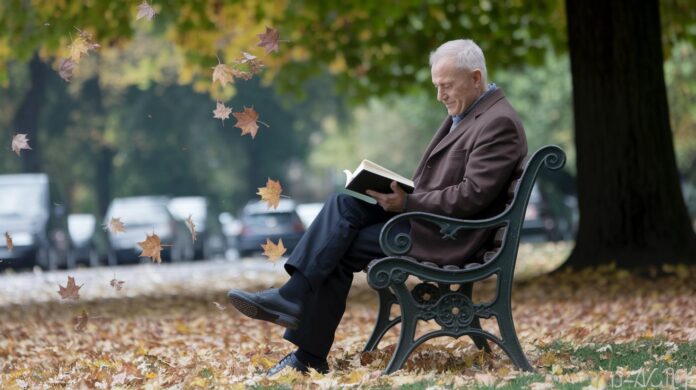
Have you ever noticed how some travelers capture amazing photos with just simple gear? I learned pretty early that the secret is watching the light and finding that cool angle. Picture a quiet morning when the soft sunrise makes the streets glow like a canvas. These easy photography tips show you how to mix light, technique, and a few simple tweaks so every shot tells a story of its own. Ready to see your photos come alive?
Proven Travel Photography Tips for Capturing Stunning Shots
Travel photography is less about having fancy equipment and more about mastering a few key aspects: light, technique, composition, and editing. I learned this early on with a simple point-and-shoot back in 2007. I remember one morning when the soft glow of sunrise lit up a quiet street, the ordinary bricks turned into a stunning canvas of gold. It was a magical moment that showed me how even basic gear can capture breathtaking beauty if you know how to work with light.
Instead of focusing on having the best gear, try to build up your skills. Get comfortable with different kinds of light, play around with unusual angles, and simplify your scene so your photo clearly tells a story. Every shot is like a little experiment on your journey. In truth, each photo you snap helps you learn something new about capturing those vivid moments.
- Know how natural light works and which way it flows.
- Use the rule of thirds for a balanced and eye-catching shot.
- Choose lightweight gear that’s easy to carry on your adventures.
- Take advantage of the golden hour when the light is warm and soft.
- Set the right exposure based on your surroundings.
- Try different camera angles to see what works best.
- Include interesting details in both the foreground and background.
- Tell a story with both candid moments and posed photos.
- Look over your images every day to see what you can improve.
- Do some basic editing by gently adjusting colors.
Think of every photo session as a mini adventure, a friendly workshop where you learn by doing. Write down a note if you stumble upon an amazing lighting trick or a surprising shadow that adds character. With each session, you’ll find your ability to capture vibrant and memorable shots growing stronger.
Gear Selection for Travel Photography Tips
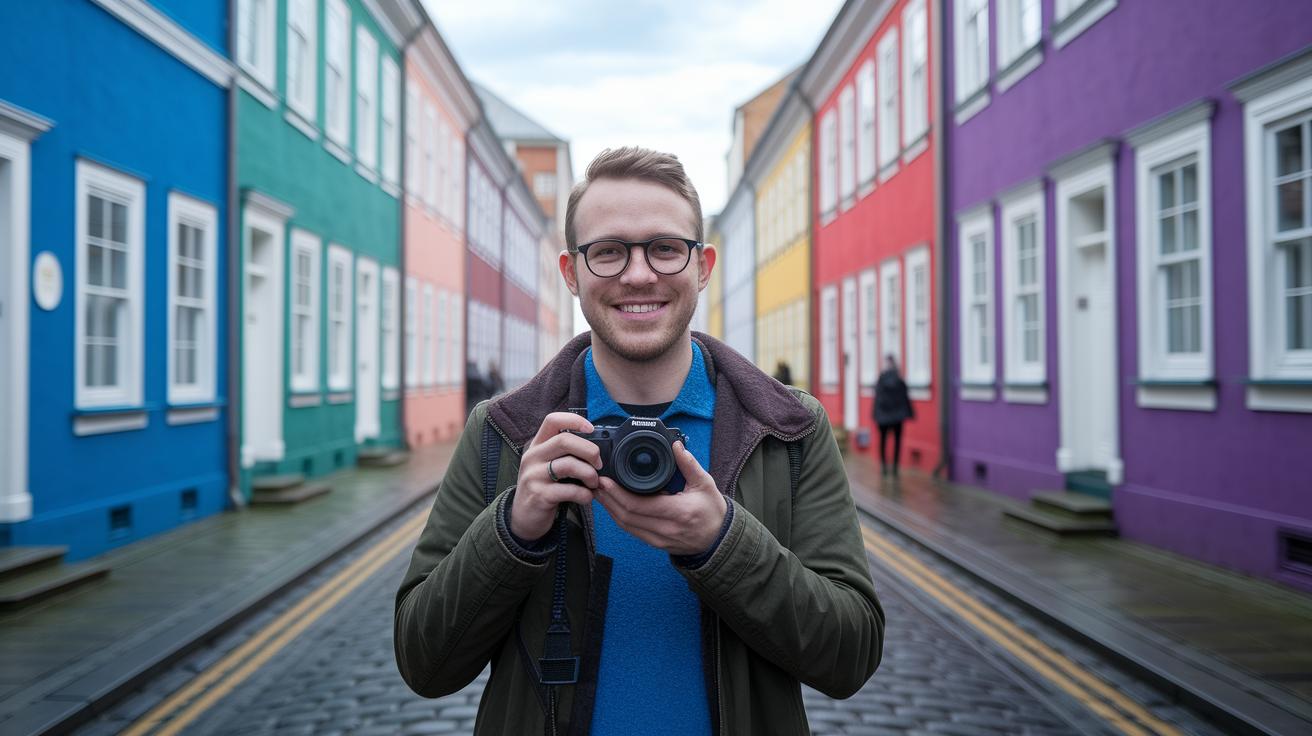
Traveling with photography gear is a bit like picking the perfect travel buddy. You need equipment that snaps beautiful photos while still being light enough to carry along crowded streets and steep trails. Imagine using a compact mirrorless camera or a beginner DSLR that gives you sharp images without feeling like you're lugging around a heavy backpack.
When you're choosing lenses, keep it simple and versatile. A wide-angle zoom (around 16–35mm) is great for capturing sweeping landscapes or bustling city views. And a standard zoom (about 24–70mm) works well for everyday shots and portraits. Extra batteries, spare memory cards, and even a small notebook for jotting down creative ideas are all must-haves. Sometimes, a quick note can remind you of that charming alley café that lit up perfectly in the evening glow.
Don't forget the little accessories that can really boost your travel photography. Pack a set of filters to cut down on glare, a remote release for those long exposure shots, and a cleaning kit to keep your lenses sparkling clean. When you pack your gear, think about safe spots and secure methods to transport everything. For more handy tips on packing your travel equipment, check out the detailed advice on travel packing tips at the link provided.
Composition Tricks in Travel Photography Tips
Rule of Thirds
When you snap a travel photo, try placing your subject along the grid’s intersections. Imagine capturing a lively street scene with a bright door right where the lines meet, it instantly brings balance to your picture and makes it feel naturally inviting.
Leading Lines
Look for roads, walls, or even curly fences that gently guide your eye. Think of a winding path that pulls you into a charming village or a long hallway that leads straight to a historic building. This technique helps your photos tell a story all on their own.
Layering Elements
Adding layers in your shot gives it a rich, three-dimensional feel. Picture a bustling local market: colorful stalls in the front, people enjoying the moment in the middle, and a famous old building in the back. Layering adds depth and context, making your scene come alive.
Framing and Perspective
Use natural frames like doorways, windows, or arches to highlight what matters most. Maybe you’ll frame a busy street with an arch, making one face or detail stand out. Even small shifts in your angle, like getting closer to the ground, can change a simple scene into something truly special.
Each of these tricks is like a handy tool in your travel photography kit. Play around with them and watch how even everyday moments become eye-catching stories that really capture the heart of your journey.
Mastering Natural Lighting in Travel Photography Tips
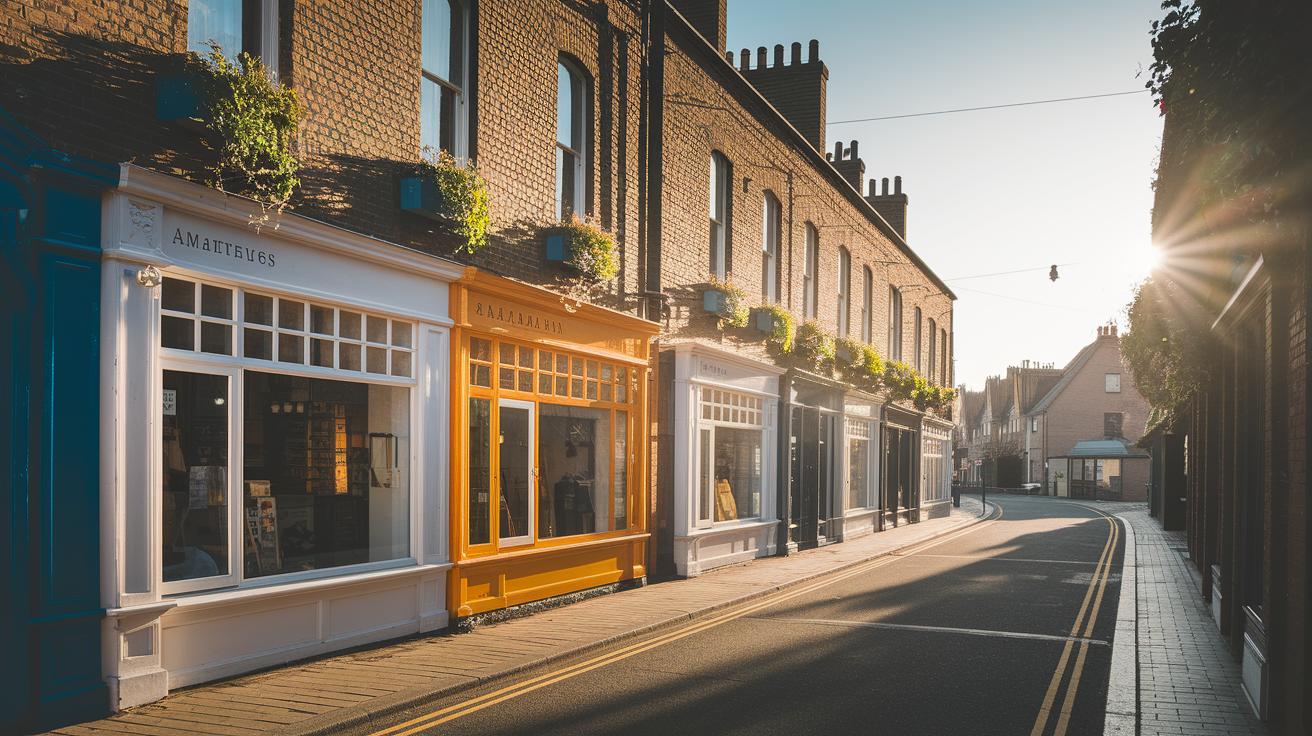
Golden hour is like magic for your travel photos. The soft light from the first hour after sunrise or the last hour before sunset gives everything a warm, gentle glow. Try to position your subject so the sun lights them up from the front. Imagine a quiet street where the sun reveals every little detail on old brick walls and bright shop fronts. This natural light not only brings out the colors but also creates a warm and inviting vibe.
Another cool trick is using backlight to create dreamy silhouettes or to add a light halo around your subject. When the sun sits behind you, take a moment to adjust your camera manually so the background doesn't turn out too bright, while still catching the important details. A lightweight tripod can be a great travel buddy to keep your shots steady in low-light moments. Sometimes you might need to tweak the settings a bit to get the perfect balance between your subject and the light. Happy snapping!
Camera Settings for Travel Photography Tips
When you're out exploring, dialing in the right camera settings can really make your travel shots shine. Every scene you capture might call for a different setup, helping each photo burst with life and color. Think of these settings like a recipe, you can use them as a starting point while still making room for your own creative flavor.
| Scene | ISO | Aperture | Shutter Speed |
|---|---|---|---|
| Landscapes | 100 | f/8–f/11 | 1/125 s |
| Night Cityscape | 800–1600 | f/2.8 | 5–15 s |
| Portrait | 200 | f/2.8–f/5.6 | 1/200 s |
| Action | 400 | f/4–f/5.6 | 1/500 s |
Keep these settings in your back pocket as you wander around. Light, movement, and even the vibe of the place can change in a heartbeat, so feel free to tweak your ISO, aperture, or shutter speed on the fly. A tiny adjustment might be just what you need to turn a simple moment into a snapshot that perfectly captures your adventure. Enjoy experimenting and let your travel story come alive in every photo!
Creative Framing and Angles for Travel Photography Tips
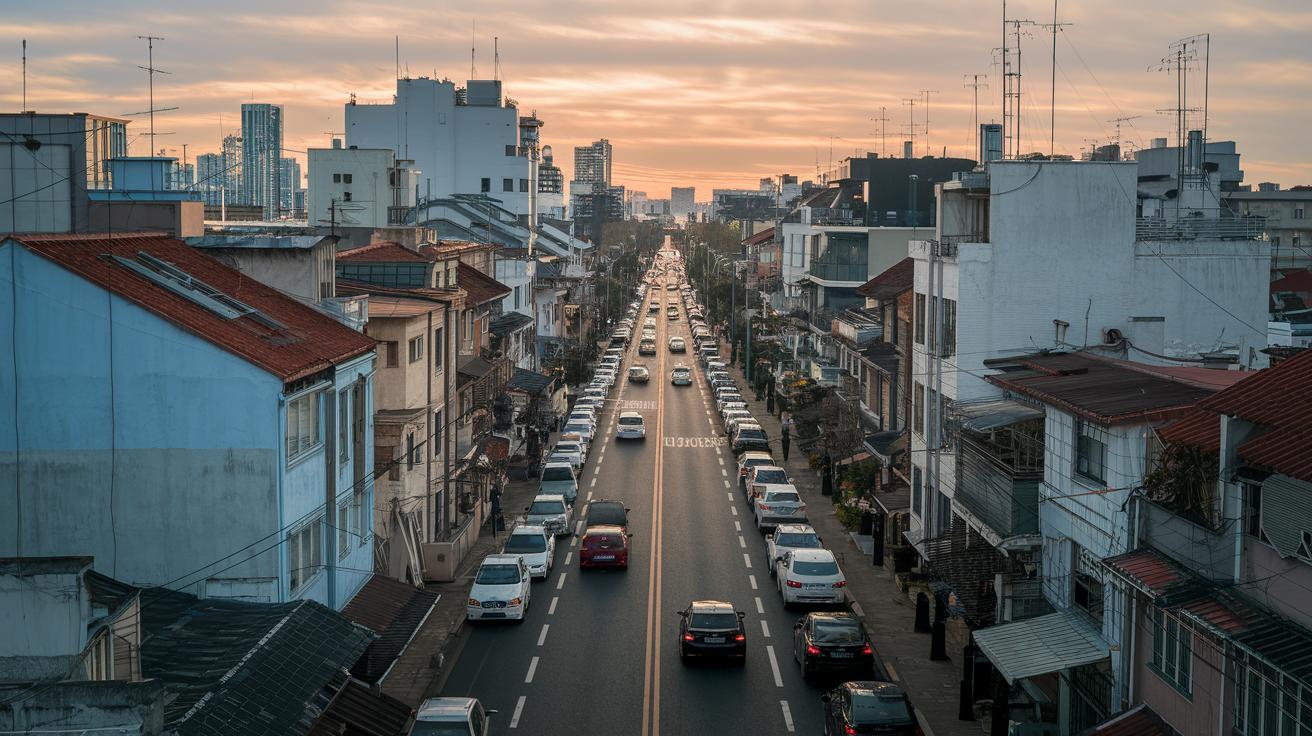
Step out of the usual eye-level angle and explore new perspectives. Wander around and try different spots, like cozy doorways or elegant arches, to naturally frame your shot. Look out for reflections on water or glass that can double your scene, imagine a historic building perfectly mirrored in a rain puddle. It’s like zooming with your feet; keep moving until you uncover that secret angle that adds extra depth.
Play with shots from above and below to reveal details you might miss otherwise. A high-up view over a busy street can show you patterns in rooftops and roads that a straight-on look hides, while getting low can bring out textures like weathered cobblestones or the unique design of a patterned pavement. Try crouching by an old stone step to see all its rich details from a fresh, ground-level perspective.
Post-Processing Tips for Travel Photography Tips
After your trip wraps up, the real adventure begins in your photo edits. Every day, take a little time to look over your images, sort of like going through your favorite postcards after a trip. Toss out any shots that just don’t capture that magic moment or have any technical hiccups. Start by dialing in the exposure and white balance so your photos show off the true, vibrant colors you saw on your journey. For example, that gorgeous sunrise over the harbor might need a tiny tweak so the warm colors really shine without taking away the natural feel. And yes, a bit of cropping can make a world of difference, cut out those distractions to let your main subject truly pop.
Once you’ve chosen your top picks, it’s all about the little finishing touches. Apply some gentle color presets to set the mood, maybe a small boost in contrast or a slight lift in saturation to capture the vibe of a quiet street or the energy of a festival scene. Save your photos in the right format for sharing online or printing at home. And don’t forget to back up all your hard work automatically so your memories stay safe. Each edit is a chance to highlight what you experienced, so keep it natural and let your photos tell their own story.
Final Words
In the action, you learned how light, technique, composition, and editing all work together to capture stunning scenes. The post broke down practical travel photography tips, from choosing lightweight gear and setting the perfect exposure to framing creative angles and careful post-processing. Each segment gives you clear steps to sharpen your skill and enjoy every click. Keep practicing these tips, and you'll keep creating stunning snapshots that tell your travel story. Happy snapping out there!
FAQ
What are some travel photography tips for beginners?
The travel photography tips for beginners focus on mastering light, technique, composition, and editing. These basics empower you to improve your shots with practice, whether you’re using a simple phone camera or advanced gear.
What are some travel photography ideas one can explore?
The travel photography ideas spark creativity by suggesting unique perspectives like capturing reflections, different angles, and candid moments. This approach turns every shot into a mini-story of your adventure.
What are the best travel photography tips currently?
The best travel photography tips combine understanding natural light, creative composition, and careful post-processing. They help you produce clear, eye-catching images that capture the essence of your travel experiences.
What travel photography tips were popular in 2022?
The travel photography tips in 2022 highlighted using minimal gear, shooting during golden hours, and focusing on natural, candid shots. This advice encouraged a practical, creative approach that many travelers embraced.
How can one find travel photography jobs?
The travel photography jobs advice suggests building a strong portfolio and connecting with online communities. Creating quality images and actively sharing your work can open up opportunities in this competitive field.
What insights do Reddit travel photography tips offer?
The travel photography tips from Reddit offer practical, crowd-sourced advice, like gear hacks and off-beat angles. These insights come from real experiences, making them relatable for photographers on the go.
What defines a travel photographer?
The travel photographer role is defined by the ability to capture memorable moments abroad using sound techniques in lighting, composition, and editing. It’s all about telling visual stories that connect with viewers.
How can I take good travel photos with a phone?
The travel photography tips for using a phone center on maximizing your device’s settings, leveraging natural light, and finding creative angles. This makes it easy to capture vibrant and shareable images even without a heavy camera.
What is the 3:1 rule in photography?
The 3:1 rule in photography means placing the subject in one part of the frame while leaving space for other elements. This balance creates a clean, well-composed image that draws in the viewer.
What is the 100 rule in photography?
The 100 rule in photography refers to taking many shots with the idea that among them, at least one will be a standout image. It emphasizes persistence and learning through trial and error.
How can I pose better in travel photos?
The travel photography tips for posing suggest keeping natural and relaxed movements while experimenting with different stances. These adjustments can enhance your image’s authenticity and overall appeal.
How do you become a travel photographer?
The travel photographer path involves learning key skills like lighting, composition, and editing while building a portfolio and practicing regularly. Embracing both technical and creative growth helps you capture remarkable moments abroad.


