Is Panama too risky right now? Well, around late September 2024, the U.S. State Department flagged things up with a Level 2 alert. They mentioned that travelers should keep an eye out for pickpockets and surprise protest actions. Friends from Canada are giving similar advice, pointing to some spots that seem a bit more unpredictable than normal.
This update lays it all out in simple terms. It shows you the current safety scene in Panama so you know what to watch for. That way, you can plan your trip with a little extra care and feel confident about your adventure.
Overview of Panama Travel Advisory: Current Government Alerts
On September 25, 2024, the U.S. State Department let travelers know to be extra careful in Panama. They put out a Level 2 warning, urging visitors to watch out for things like theft, break-ins at homes, and sneaky pickpocketing in busy tourist spots. Imagine strolling through a lively plaza when suddenly, your wallet disappears, it’s a real reminder to always keep your belongings close.
Canadian officials are echoing similar concerns. They have flagged regions like Bocas del Toro, Chiriquí, Veraguas, and some border areas as risky. In these spots, local protests and disruptions have been shaking up transport and supply lines, making travel even trickier. So, if you’re planning a trip, it’s a wise idea to keep an eye on the news and be ready to tweak your plans if needed.
Safety Concerns in Panama Travel Advisory: Crime and Demonstrations
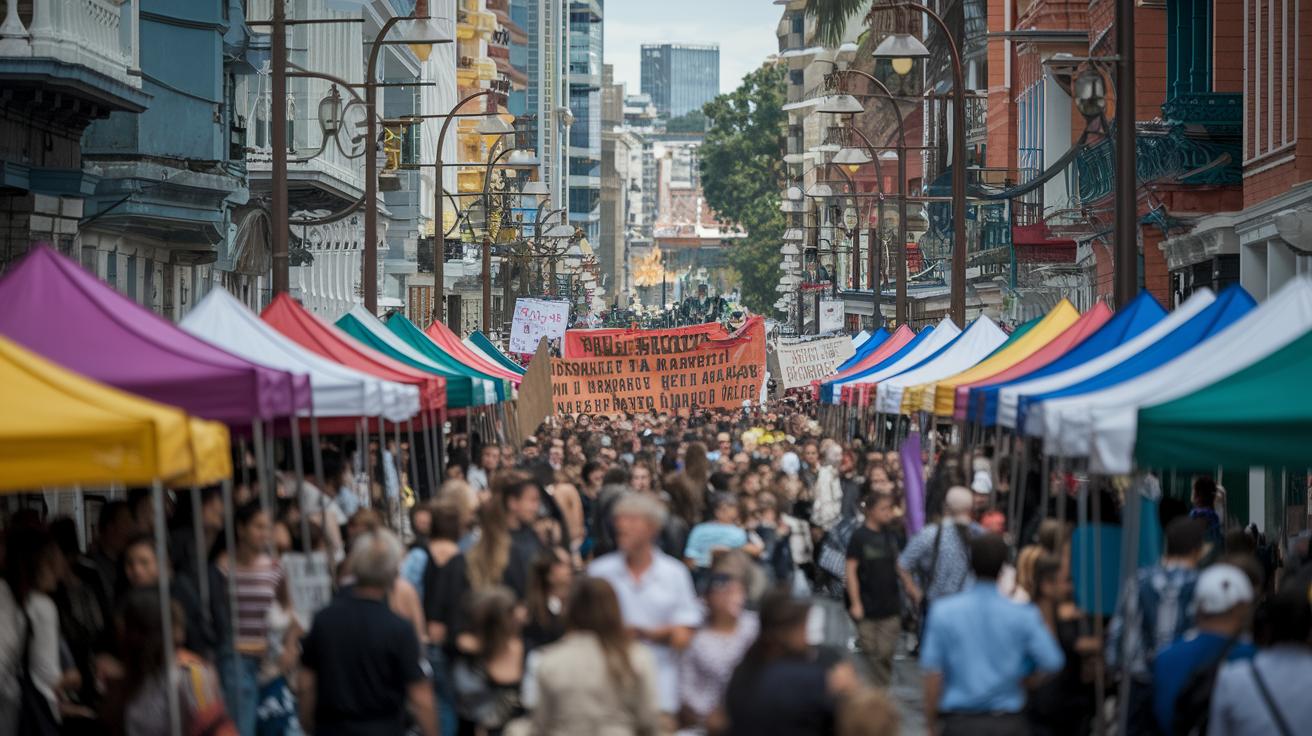
Hey fellow traveler! If Panama’s on your list, just know that things can turn unpredictable. Official warnings mention a mix of petty crimes and rowdy public protests that might put a twist in your adventure.
Local spots can change in the blink of an eye, imagine discovering a protest blocking a busy road and causing unexpected delays in your day. This advisory isn’t just about a few pickpockets; some issues can quickly escalate into bigger problems.
Whether you’re exploring a lively market bursting with colors and aromas or enjoying a quiet neighborhood stroll, keep a close eye on your belongings and your surroundings, it’s like carrying a little extra sense of adventure in your pocket.
Consider these primary risks:
- Petty theft and purse snatching
- Residential break-ins
- Targeted pickpocketing in crowded areas
- Violent protests since June 2025, which have included arson and vandalism
- Looting incidents during civil unrest
- Human trafficking networks
- Drug-smuggling routes
These challenges can sometimes lead to sudden traffic jams and disrupt everyday life. Even if they seem like just a minor hiccup locally, they can quickly make your visit far less enjoyable.
So, a little tip from one traveler to another: stay tuned to local news, try to travel when it’s less busy, and steer clear of large gatherings. That way, you can keep your adventure smooth and full of wonder while playing it safe in Panama.
Panama Travel Advisory: High-Risk Provinces and Border Protocols Update
We’ve refreshed our details on risk areas to help guide your travels. Now, you'll find a simple table below that highlights regions to watch out for, covering issues like violent protests, arson, looting, and organized crime. Check out the table for the latest safety tips.
| Province/Area | Key Risks | Advisory Status |
|---|---|---|
| Bocas del Toro | Violent protests, looting | Avoid non-essential travel |
| Chiriquí | Arson incidents, supply disruptions | Exercise increased caution |
| Veraguas | Vandalism, sporadic clashes | Exercise increased caution |
| High-risk border zones | Organized crime trafficking, smuggling | Avoid all travel |
Panama Travel Advisory Entry Requirements and Visa Guidance
Before setting off for Panama, double-check that your passport stays valid for at least six months from your arrival date. If you're coming from the United States, Canada, or an EU country, you’re in luck, visa exemptions work for visits up to 180 days. And don’t forget, you’ll need to fill out an electronic travel declaration online at least 72 hours before you leave. This simple form collects your details and helps local officials get ready for your arrival, making your entry as smooth as can be.
Keep in mind that Panama’s immigration website has some new changes about visa fees lately, so it’s a smart idea to verify those costs ahead of your journey. Also, be prepared that some travelers might have to show proof of a COVID-19 vaccination or a negative test result, depending on the latest rules. These steps are there to keep everyone safe, and staying updated will help you feel more ready to explore. Enjoy planning your adventure, and have a fantastic trip to Panama!
Panama Travel Advisory Health and COVID-19 Protocols
If you're off to explore Panama, it’s a good idea to check your health prep before you go. Experts say getting your vaccinations up-to-date, for things like hepatitis A, typhoid, and your usual immunizations, helps you avoid common bugs. And here’s a heads-up: right now, you'll need to show proof of full COVID vaccination or a negative PCR test (a test that checks if you currently have the virus) taken within 72 hours. Plus, you’ll be asked to wear a mask on public transport and in medical spots to keep everyone safer. Local health hotline numbers and embassy contacts are there for extra help if you need it.
It’s also smart to have solid travel health insurance on board to cover any surprise medical bills. With these precautions in place, you can focus on enjoying Panama's vibrant streets and sunny landscapes without worry. Staying updated on health guidelines makes it easy to adjust your plans and ensures that you and those around you stay safe on your journey.
Panama Travel Advisory: Official Sources and Staying Informed
Planning a trip to Panama? It’s smart to check in with official sources before you go. If you’re like me, you appreciate the ease of using trusted government websites. The U.S. Department of State has a travel advisory page where you can register for STEP alerts, that’s email or text updates that let you know about any last-minute changes. It’s like having a handy travel buddy who always keeps you in the loop.
Similarly, the Government of Canada offers its own travel advisory page loaded with helpful details on what to expect in Panama. And don’t forget about the Panamanian immigration portal. This site is a goldmine for important updates, bulletins, and policy shifts. Trust me, making it a habit to check these pages often feels like staying one step ahead when exploring a new adventure.
Subscribing for alerts means you get the news straight to you, whether it’s a change in advisories or an update on safety conditions. So, take a moment to sign up, and you’ll be ready to adjust your travel plans on the fly. After all, staying informed is key to a stress-free trip, and nothing beats the confidence of knowing you’re well-prepared to enjoy Panama!
Final Words
In the action, we covered key points from official government alerts to safety details, entry rules, and health protocols. We traced mentions of theft warnings, protest updates, and border protocols to give you a clear overview of travel precautions in Panama.
We also pointed you to trusted sources for real-time updates. Keep these tips handy as you prepare, and may your next trip be as cautious as it is enriching, guided by the panama travel advisory for a safe and smooth experience.
FAQ
What does the Panama travel guide offer?
The Panama travel guide offers a concise overview of entry rules, safety measures, health protocols, and border updates to help you plan a well-informed visit.
What is the current Panama travel advisory today?
The current Panama travel advisory warns of increased risks like theft, protests, and local disruptions. US officials advise extra caution, especially in high-risk regions.
Can I travel to Panama right now, and is it safe for family vacations?
US citizens can travel to Panama with proper documents. However, advisories about theft, protests, and unrest mean that extra care is needed when planning family trips.
What are the Panama travel requirements?
Panama travel requirements include a passport valid for at least six months, visa exemptions for eligible travelers, an electronic travel declaration, and possible COVID-19 vaccination or test proof.
What are Panama’s COVID-19 travel protocols?
Panama’s COVID-19 protocols require proof of full vaccination or a negative PCR test within 72 hours, and wearing masks on public transit and in healthcare settings remains recommended.
What countries are on high alert or at level 3 travel warning?
For updated alerts on high-risk countries, check official government travel advisories, as these sources offer the latest warnings and security details for various regions.
Is Costa Rica or Panama safer for visitors?
While Costa Rica generally sees fewer disruptions, Panama has areas with higher warnings due to protests and crime. It’s best to review current advisories to determine which fits your safety needs.