
Ever felt like saving money on your trip means cutting out the fun? You’re not alone. Many folks think that sticking to a travel budget means you have to miss out on all the exciting moments. But smart budgeting is more like planning a road trip where every mile gives you a chance to stretch your funds while still enjoying the ride.
In this guide, I share some easy tips on setting your money goals and figuring out how to balance what you earn with what you spend. Think of it as packing just the right snacks for your adventure, you bring along the essentials and leave nothing behind. Get ready to see how managing your travel money can be part of the journey, making every trip feel both joyful and affordable.
Creating a Sustainable Travel Budget Blueprint
Start by setting bold financial goals that cover more than just one-time costs. When you plan your long-term travel budget, it's all about balancing what you earn or save (Money In) with what you spend on your adventures (Money Out). Think of it like planning a road trip where you adjust your spending each day to match what you have, saving for those extra pit stops along the way.
Begin by roughing out an estimate for each part of your journey. Give each element a price tag, from your stay to local rides and daily meals. It’s a bit like packing your suitcase, you start with the essentials and add extras as you go. One traveler even mentioned a partner managed to save up $10,000 before departing, showing that having enough saved or earned to support your travel dreams is key.
Keep your planning flexible. Every time you update your trip details or add a new stop, take a moment to revisit your Money In and Money Out estimates. It's okay if your initial guesses change; think of it as fine-tuning your itinerary so every planned moment fits neatly within your financial map.
Stick to simple tools, like a spreadsheet or a basic calculator, to log your expected costs against what you actually spend. Write down every travel expense, from pre-trip essentials like insurance and visa fees to everyday treats on the road. This method helps you spot where you might need to adjust spending while ensuring you have enough funds for a truly rewarding adventure.
Remember, sustainable travel budgeting isn’t about cutting every cost; it’s about having enough funds to enjoy the way you like to travel. Set clear goals, update your numbers when plans change, and keep your excitement alive as you get ready for that next unforgettable trip.
Estimating and Allocating Vacation Costs Effectively

When planning your trip, start by dividing your travel money into simple groups like flights, lodging, food, and local rides. Imagine booking a short flight about five months ahead to pay nearly half the usual price! And for those long flights, six-month planning might save you around 55%. Picture it: booking early means more cash to spend on discovering that quirky café or hidden market.
For where you sleep, try different options instead of pricey hotels. House-sitting, swapping homes, or staying in a hostel can cost 30–60% less than a hotel. And remember that road trip? Instead of eating out all the time, you can pick up groceries and whip up your own meals. Especially in parts of Europe, using buses and trains instead of hiring a taxi or car can drop travel costs by 40–70%.
Here’s a handy table to help you split up your budget:
| Expense Category | Tip |
|---|---|
| Flights | Book 5-6 months ahead to save big on your fare. |
| Lodging | Try alternatives like house-sitting or hostels for 30–60% savings. |
| Food | Shop at grocery stores and cook some meals. |
| Local Transport | Use buses and trains, especially in Europe, for cheaper rides. |
By splitting your funds based on these easy tips, every dollar gets to work, making sure your adventure is as stress-free as it is exciting. Enjoy planning your getaway and remember to leave room for spontaneous fun!
Leveraging Expense Calculators and Tracking Tools
When you're planning your trip, a few smart tools can really make your budgeting a breeze. Many travelers swear by a journey expense calculator, it helps you set daily spending goals so you know exactly where every dollar goes. For instance, think of a guide like “How to Travel the World on $75 a Day” that shows you how to keep your spending in check. Imagine telling yourself, "Today, I'll only spend $5 on extras so I don’t overspend!"
Plus, there are cool apps like Trail Wallet and Tripcoin that let you track your expenses as you go. These apps give you a clear, on-the-spot look at your spending while you explore new places. And hey, some of us still love the old-school method of jotting things down in a simple spreadsheet, sometimes watching those numbers add up is just too satisfying.
Using one of these travel finance trackers means you get a full picture of how you're spending on everything from tasty meals and taxi rides to tickets for fun attractions. Some savvy travelers even use credit card rewards or frequent-flyer programs to help cover costs like flights and hotels. Just remember, it’s best to think of those rewards as a little bonus rather than your main travel money.
One quick fact to keep in mind: a small miscalculation can sneak up and add an extra $50 a day, so a regular review of your spending can really save the day. Embrace these simple tools, and you’ll be able to enjoy your adventure without any money worries.
Money-Saving Techniques for Travel Budget Control
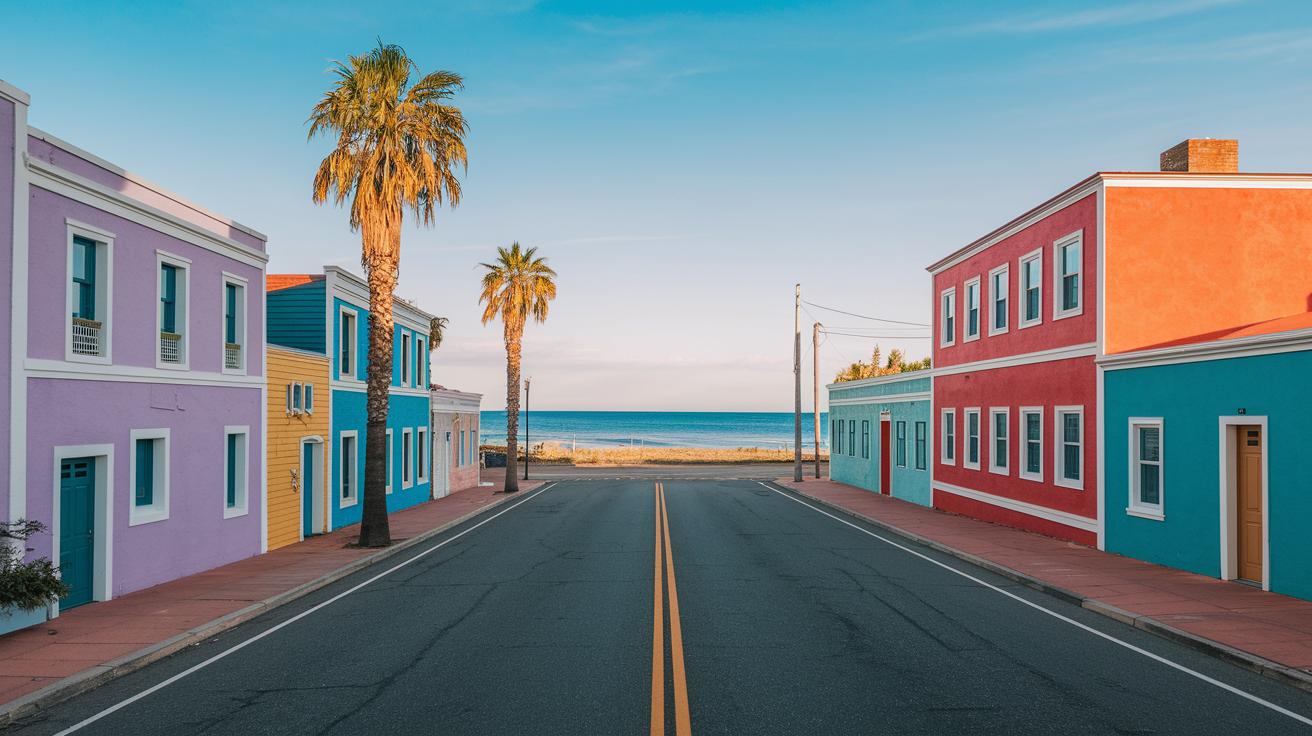
When planning your next escape, think about how you can explore without breaking the bank. Ever consider diving into free local gems? Imagine enjoying a walk through vibrant botanical gardens, exploring bustling markets, or checking out art exhibitions without spending a dime. These adventures fill your journey with memorable moments and keep your wallet happy.
Traveling when most people aren’t can really make a difference. Off-season trips mean lower prices for flights, hotels, and even attractions. Picture visiting a coastal town with peaceful streets and almost no crowds. Not only do you save money, but the relaxed vibe gives you more space to truly soak in the local charm.
Sometimes, slowing down is the way to go. Instead of bouncing quickly from one place to another, try staying in one area for a while. You can cut back on transport costs and really get a feel for the local culture. Plus, it’s a great way to discover hidden spots that quick visits might miss.
Packing smart is another travel hack you shouldn’t ignore. The fewer bags you bring, the less you pay at check-in counters thanks to extra baggage fees. Think of it like packing a favorite snack – just grab the essentials so you have room for all the surprises the journey brings. You might want to check out some practical packing tips to keep things light and efficient.
Embrace these down-to-earth tips, and you’ll be set for a joyful journey without those pesky expenses weighing you down. Enjoy every moment and every saving opportunity on your next adventure!
Structuring Your Itinerary Financial Plan
Pre-Trip Expense Categories
Before you even board a plane, jot down those must-have expenses like visas, travel insurance, and any health checks or shots you might need. It’s like setting aside a special travel fund for your essentials, making sure these non-negotiable costs stay separate from your everyday spending. This clear cut-off helps you keep a tight ship right from the start.
Daily Spending Breakdown
After you’ve sorted the big-ticket items, break your day down into little chunks for meals, local rides, and fun activities. Think of it like packing small bags for each day, each one with its own purpose. For example, decide how much you’ll spend on breakfast, a quick bus ride, or that cool local attraction. Keeping track this way lets you see exactly where your money goes, making it easy to adjust if one meal or ride costs a little extra.
Contingency Fund Allocation
Set aside about 5–10% of your total budget for those unexpected moments that can pop up, like a surprise transit change or a last-minute chance to explore something new. This little reserve is your financial cushion and makes sure that even if surprises come knocking, your main travel plans stay on track. Start your itinerary financial plan early, and check it now and then as your plans change, this way, your travel budget stays as flexible and smart as your adventure plan.
Monitoring, Reviewing, and Adjusting Your Travel Budget

When you set off on your adventures, keeping an eye on your travel budget is a must. Today’s travel apps can do more than simply record your spending. For example, if you plan to spend around $20 on lunch but only use $18, the app might automatically lower your dinner budget for the day. It feels like having a friendly helper making sure you don't go overboard.
These smart tools also send real-time alerts for different spending areas like transit or food. Imagine getting a quick message during your holiday after an unexpected expense pops up. That little nudge reminds you to adjust your plans, helping you stay on track with your overall travel funds.
Using these proactive features brings a fresh twist to the usual tracking methods. They keep your spending plan flexible and ready to adapt, ensuring you can focus on enjoying every road and sky-high moment of your journey.
Final Words
In the action, we broke down how to build a sustainable financial plan for your trip. We explored setting a financial blueprint, planning for key expenses, and using tools to track costs. This guide shows you how to keep an eye on your spending while enjoying every moment on the road. Mastering travel budgeting will help boost your confidence, letting you focus on creating memorable experiences. Keep planning smart and have fun discovering what each new place offers.
FAQ
What is a travel budgeting template, planner, or calculator?
The travel budgeting template, planner, and calculator provide tools to list your income and expenses before and during a trip. They help you estimate costs and adjust spending plans in real time.
How can a travel budget app help me plan my trip?
The travel budget app simplifies cost tracking by letting you enter expenses, view real-time totals, and make adjustments. This convenience lets you stay on top of your money while on the move.
How do travel itinerary and budget templates work with budget travel packages?
Travel itinerary and budget templates break your trip into segments like flights, lodging, meals, and extras. Combined with budget travel packages, these tools help align your spending with preferred deals and cost-saving options.
What is a typical travel budget?
The typical travel budget depends on trip length, destination choices, and personal style. It usually covers pre-trip expenses, daily spending, and a reserve for unexpected costs.
Is $5000 enough for a trip?
The notion of $5000 being enough varies by destination and style. With smart spending, careful planning, and cost-saving choices, a $5000 budget can work for many travelers.
How do I budget for traveling?
Budgeting for traveling means listing all planned expenses, from flights and lodging to meals and activities. Assign a cost for each category, then adjust your plan to keep spending in check.
How do I estimate a budget for a trip?
Estimating a trip budget starts by listing major costs like transport, accommodation, food, and activities. Use available tools to plug in numbers and refine your totals, ensuring you cover both planned and unexpected expenses.