Have you ever noticed how quickly your Bali plans can change? Lately, there have been some concerning reports, ferry accidents, unexpected power outages, and a few local disturbances.
It only takes a few extra minutes to check for the latest travel alerts. Trust me, that little bit of time can help you adjust your plans and feel a lot safer.
Staying updated means you can avoid surprises and enjoy your trip with more confidence and peace of mind.
Bali Travel Advisory: Safe Travel Update
Recent travel alerts are urging visitors to check for risks before exploring Bali. The U.S. government, for example, suggests extra caution due to worries about terrorism and natural disasters, and the Aussie government feels the same way, travelers should stay extra alert.
Local events have stirred up concerns too. A ferry accident in the Bali Strait sadly took five lives, showing that even everyday trips can carry surprises. There was also a major blackout that disrupted plans, and there are whispers that some foreign-run, unlicensed villas might be hurting local businesses. And then, more troubling news: a Dutch tourist was found dead at his Bali home, while a German traveler got sent back after attempting a risky climb up Mount Agung without proper guidance.
It’s a good idea to keep an eye on the latest international travel advisories since things can change quickly. For example, a handy tip is to check the most recent travel safety news before planning any fun outings, just to be sure nothing unexpected comes your way.
| Incident | Details |
|---|---|
| Ferry Accident | 5 lives lost in the Bali Strait |
| Local Blackout | Tourist plans thrown off by a major power cut |
| Foreign Nationals | Deportation and odd local happenings |
At the end of the day, keeping up with these updates can really help you plan a safe and smooth adventure in Bali, letting you enjoy every moment with peace of mind.
Bali COVID-19 Restrictions and Health Protocols

If you’re planning a trip to Bali and aren’t fully vaccinated, you’ll need to get a COVID test before you go. But if you’re fully vaccinated, you can skip the test, just be sure to show proof through eHAC, Bali’s digital health system. Think of it like this: you wouldn’t set off on an adventure without your passport, right? So don’t forget your digital vaccination confirmation.
Masks are still a must on public transport, in airports, and in healthcare spots. So if you’re hopping on a local shuttle or waiting around in an airport lounge, keep that mask on. And for travelers arriving from high-risk countries, there might be a brief quarantine period of up to five days, kind of like a short, unexpected layover to make sure everyone stays safe.
Local health authorities are keeping an eye on things and will send out public warnings if new variants pop up. One traveler compared these updates to a quick weather check before a long, unpredictable road trip. So, remember to check for the latest info before and during your stay, and you’ll be all set for a safe and enjoyable adventure.
Visa, E-Visa, and Entry Permit Updates for Bali Visitors
Planning a Bali adventure just got easier with Indonesia’s updated e-Visa portal. When you apply online, you can usually expect a reply in 3–5 business days. The fee hovers around USD 35–50, and once you’re approved, a digital confirmation lands in your email. It’s like getting an instant travel ticket, no more fussing with paper documents at check-in.
If you prefer a more traditional route, visa on arrival is also a user-friendly option available at Denpasar and other airports. This method grants you a 30-day stay, with a chance to extend for another 30 days. Just be ready with your passport (which should be valid for at least six months), a return ticket, and proof that you’ve got enough funds. Think of it as having your travel essentials neatly packed, so your entry is super smooth.
Always keep an eye on the latest tourist visa guidelines and double-check every detail, from the fees you’ll pay to the exact steps outlined on the official portal. Taking a little extra time to understand the process now can save you from unexpected delays later on.
Natural Disaster and Weather Alerts in Bali

Bali’s natural forces are something both locals and travelers need to keep an eye on. Right now, Mount Agung and Mount Batur are at a Level II alert (Waspada), meaning experts are closely watching for any changes. To add to that, a theft of key monitoring equipment from Mount Marapi has made things trickier for those keeping an eye on the situation.
In East Bali, including Karangasem, officials have stepped up their earthquake plans after tremors were felt back in June. It’s a good idea to know some basic earthquake safety tips, be aware of your surroundings, and have your evacuation plan in mind when visiting.
The coast isn’t any less challenging. Tsunami risks have been flagged after some nearby seismic tremors, and during the monsoon season from November to March, heavy rains can lead to flooding. These conditions might delay road trips and ferry rides, so it helps to check local weather updates and advisories. Trusted sources like travel crisis news can keep you informed on the latest news, allowing you to adapt your plans as needed.
Local Regulations, Cultural Etiquette, and Security for Bali Travel
When you head to Bali, take a moment to learn about the local customs and safety tips. In spots like Ubud and Tabanan, you'll find that temples expect you to dress respectfully. So, before stepping into a temple, throw on a modest sarong as a small nod to a cherished tradition.
On a few beaches, bikinis just aren’t allowed, so it’s a good idea to pack other types of swimwear if you want to enjoy a dip. And in Canggu, you might notice that public areas have rules about liquor, keeping things calm and orderly. Think of it like enjoying your drink in a cozy little spot rather than in the middle of a busy scene.
If you’re planning any adventures in East Bali, like trekking to Gunung Agung, remember that you need an official permit first. Over in West Bali National Park, an entry pass is required to explore its wild beauty safely. And in Southern Bali areas such as Kuta and Seminyak, some parts have nighttime curfews, so be ready to plan your late-night strolls or adventures accordingly.
Local police also pop by major sites to check IDs and bags, so it helps to keep a copy of your identification handy. Staying aware of your surroundings can really add to a smooth and enjoyable trip. In truth, following these simple guidelines will let you soak up Bali’s magic while respecting its vibrant culture and rules.
Emergency Contacts and Digital Alerts for Bali Safety
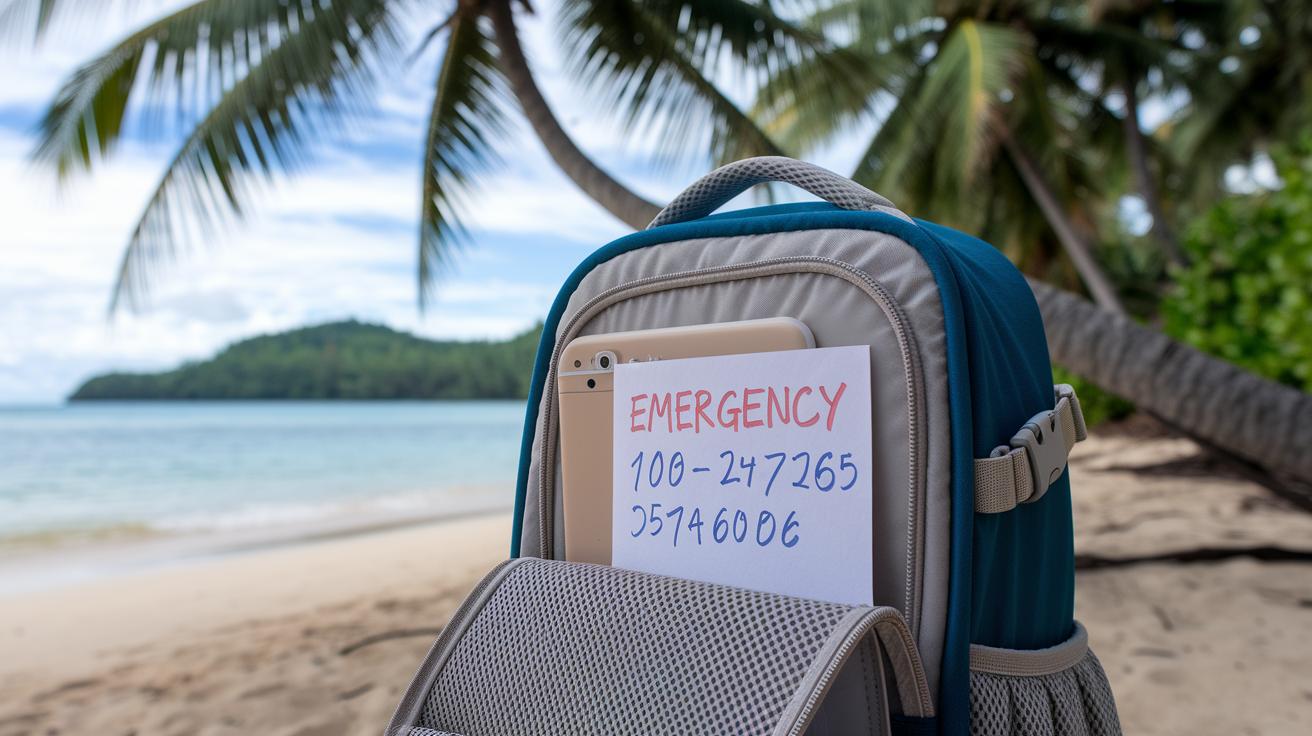
When you're exploring Bali, it's smart to keep some key emergency numbers close by. Imagine having your Bali Police hotline (+62-361-227-711), Medical Emergency (+62-361-711-459), and the U.S. Embassy in Jakarta (+62-21-5083-1000) like extra travel gadgets in your bag, just in case. One traveler once mentioned, "I always keep these numbers saved, just like packing extra charger cables for those unexpected moments."
It's also a good idea to check official sites like Indonesia’s Ministry of Foreign Affairs and the Bali Provincial Disaster Mitigation Agency dashboard. These government travel portals work like a trusty digital guide, offering real-time updates much like a weather app that tells you when to grab an umbrella.
For quick alerts, consider downloading mobile apps like Bali SafeTravel and Indonesia Emergency. They send out real-time messages when something's up, and you can even set up RSS feeds or email notifications. Staying updated this way means you can relax and truly enjoy your adventure in Bali.
Final Words
in the action, we've covered essential updates on safety alerts, health protocols, visa details, and local customs. This bali travel advisory keeps you informed about recent government notifications, regional weather challenges, and emergency contact info. You get a clear look at current COVID-19 testing and entry steps, along with practical tips to handle cultural rules and natural risks. These brief sections work together to help you plan with confidence. Step forward knowing you have a strong foundation for an unforgettable Bali travel experience.
FAQ
What are the latest Bali travel advisories and updates from traveler reports and government sources?
The current advisory highlights security risks such as terrorism and natural hazards, and traveler chats on platforms like Reddit add real-time insights. US travel warnings also recommend extra caution and checking official travel safety news.
Is it safe to travel to Bali right now?
The safety of traveling to Bali right now depends on current advisories detailing risks like terrorism and natural events. Staying informed via official sources and local safety updates is strongly recommended.
What are Bali’s COVID-19 travel requirements?
Bali’s COVID-19 rules require pre-travel testing for unvaccinated arrivals, mask use in public transit and healthcare facilities, and sometimes quarantine for visitors coming from high-risk areas.
Can I travel to Indonesia right now?
Current Indonesia travel guidelines include entry checks, visa processing through the e-Visa portal, and health protocols. Checking the latest official advisories before planning your trip is wise.
How do I apply for a Bali tourist visa online?
You can apply for a Bali tourist visa through Indonesia’s e-Visa portal, where processing takes 3–5 business days and fees generally range between USD 35–50.
What new rules should tourists in Bali be aware of?
New rules for visitors focus on updated health protocols, such as pre-departure testing and quarantine measures for some travelers, as well as revised visa procedures and local regulations.
Are US citizens allowed to travel to Bali and is it friendly toward Americans?
US citizens can travel to Bali by following the visa and health guidelines. Local rules and security measures mean keeping up with current advisories is essential for a smooth trip.