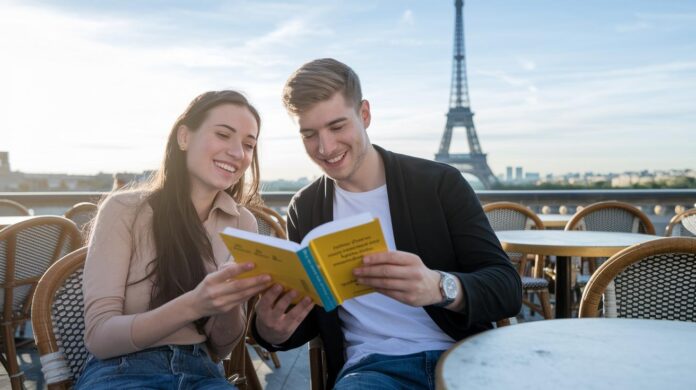
Have you ever been in a new country, craving a coffee, and suddenly felt stuck trying to order it? Knowing just a few French words can change that hesitation into an exchange filled with smiles. Imagine stepping up to a counter and confidently asking for your favorite drink while a local grins back at you.
These handy phrases make it easy to ask for directions or order a treat without missing a beat. They’re like little keys that open doors to genuine conversations and unexpected friendships.
Next time you’re exploring a French café or a bustling market, try out these words. You might even find a cozy corner where locals share secret recommendations, all because you took the plunge and embraced the language.
Core French Travel Phrases and Pronunciations
If you're off to explore France, having a few handy phrases in your pocket can make your journey feel a lot smoother. Imagine stepping into a cozy café or a bustling boutique and greeting everyone with a cheerful "Bonjour." It’s a simple, yet warm way to connect and set a friendly vibe right away. When you need a little help, try saying "Je ne comprends pas" to gently let someone know you didn’t catch that. And if you ever need directions, a polite "Excusez-moi – could you help me find my way?" often opens many doors. Taking a moment to practice these words can boost your confidence and show locals that you’re truly engaged in their culture.
Below is a neat guide with ten must-know French phrases. Each entry includes an English translation, an easy-to-read phonetic pronunciation, and a tip on when to use it. Whether you’re ordering a snack, scouting out the nearest bathroom with "Où sont les toilettes ?" or needing a quick call for help with "Au secours !", these phrases will help make your adventures even richer. Think of this guide as a small passport to memorable interactions as you wander through the charming streets of France.
| French Phrase | English Translation | Phonetic Pronunciation | Usage Context |
|---|---|---|---|
| Bonjour | Hello/Morning | bohn-zhoor | Greeting someone when you meet them or say hello |
| Excusez-moi | Excuse me | ex-kew-zay-mwah | Politely getting someone’s attention |
| Je voudrais… | I would like… | zhuh voo-dray | Making a request or ordering something |
| Où sont les toilettes ? | Where are the restrooms? | oo sohn lay twa-let | Finding your way to the bathroom |
| Parlez-vous anglais ? | Do you speak English? | par-lay voo zahn-glay | Checking if someone can speak English |
| Je ne comprends pas | I don’t understand | zhuh nuh kohm-pron pah | Letting someone know you didn’t follow |
| Combien ça coûte ? | How much does it cost? | kohm-byen sa koot | Asking about prices at shops or markets |
| Une table pour deux | A table for two | ewn tahbl poor duh | Requesting seating in a café or restaurant |
| Au secours ! | Help! | oh suh-koor | A quick emergency call |
| L’addition, s’il vous plaît | The check, please | lah-dee-syon, seel voo pleh | Asking for the bill when you’re done dining |
French Greetings, Polite Expressions, and Traveler Etiquette

When you visit France, starting with a warm greeting is the key to a friendly conversation. You'll often hear "Bonjour" in the morning or whenever you need to say hello during the day, and "Bonsoir" as the evening sets in. Friends might say "Salut" for an easygoing hi, but you’ll want to use "vous" for people you don't know well or for showing respect to someone older.
Adding a title like Monsieur or Madame makes your greeting even more charming. For example, saying "Bonjour, Monsieur" shows that you truly value local customs. In everyday shops, you might share a quick handshake, while close friends often greet each other with a light kiss on the cheek – a little touch that feels warm and familiar.
When you’re asking for something, opening with "s’il vous plaît" and wrapping up with "merci" is a surefire way to be polite. Picture yourself stepping into a cozy café, greeting the staff with a friendly "Bonjour," and then ordering your treat with a courteous "s’il vous plaît." This approach not only sets a relaxed tone but might also invite the locals to switch to English, making your day just a bit brighter.
Asking Directions and Navigating: French Survival Phrases
Walking through the charming streets of Paris or Nice can be an adventure. Try using easy French phrases to find your way. For example, you might ask, "Où est… ?" when you need to locate a place, like saying "Où est la gare?" if you're on the hunt for the train station. And if you're wondering about the path ahead, ask, "Comment aller à… ?" like when you say, "Comment aller à la tour Eiffel?" It’s a simple trick to get directions. Ever been curious about the distance? Just ask, "C’est loin ?"
When locals answer, they might say simple words like "À gauche" for left, "À droite" for right, or "Tout droit" for straight ahead. Sometimes, they even use visual hints. If you need a map, just say, "Un plan de la ville, s’il vous plaît" and you might find one at a nearby tourist spot or shop.
And don’t worry if your French isn’t perfect. Many locals might switch to English, but giving it a go shows you respect the culture and are excited to connect. So go ahead, explore those narrow alleys and bustling boulevards, and enjoy how a few simple phrases can spark genuine, friendly interactions.
Ordering Food and Dining Phrases in French
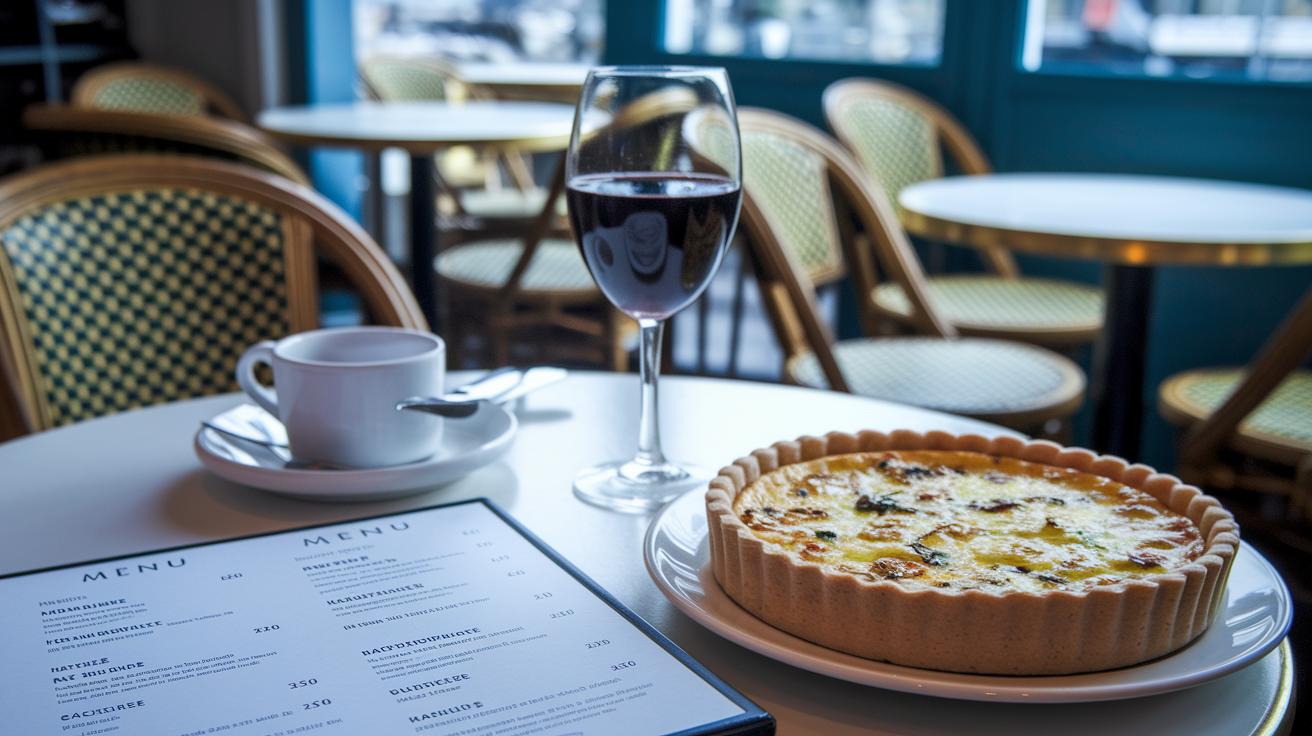
Dining out in France is a breeze when you’ve got a few trusty phrases up your sleeve. Whether you’re settling into a quaint restaurant or a cozy café, these expressions make chatting with your server feel natural and fun.
These phrases are like little travel buddies that help you order a delicious meal or ask for the menu without any fuss. For instance:
-
Je voudrais… (I would like…)
Use this when you’re ready to order, try saying "Je voudrais une quiche lorraine" if you’re in the mood for a tasty, savory pie. -
Le menu, s’il vous plaît (The menu, please)
This is a polite way to ask for the list of dishes right when you sit down. -
Un verre de vin rouge/blanc (A glass of red/white wine)
Perfect for those moments when you simply want to unwind with a refreshing drink. -
C’est délicieux ! (It’s delicious!)
When the food hits the spot, this cheerful phrase lets everyone know how much you’re enjoying your meal. -
L’addition, s’il vous plaît (Check, please)
When you’re ready to wrap up, asking for the check in this way keeps things smooth and polite. -
Je suis végétarien(ne) (I’m vegetarian)
Ideal for letting the restaurant know about your dietary choices. -
Où sont les toilettes ? (Where are the restrooms?)
And when nature calls, this handy question points you in the right direction.
Remember, sometimes literal translations can be a bit misleading. For example, ordering a “café noisette” might serve you a much smaller drink than you expect. Taking a moment to listen and learn how locals phrase their orders can really help avoid any mix-ups.
For more useful tips on dining and sightseeing, check out some France travel itineraries at https://jettlaggin.com?p=1387.
Emergency and Essential Inquiries: French Travel Survival Expressions
When you're caught in a tough spot, a few handy French phrases can make all the difference. If you suddenly need help, just shout "Au secours!" It’s like waving a flag in an emergency, letting everyone know you need assistance right away.
Ever find yourself searching for your lost passport? Just say, "J’ai perdu mon passeport." Imagine explaining to a nearby official with a hint of urgency: "J’ai perdu mon passeport – can you help me?" This phrase is your go-to guide when catching the eye of local authorities or finding that nearby police station or embassy.
Feeling unwell or in need of urgent medical care? Ask, "Où est l’hôpital?" This simple question directs you to the nearest hospital, much like a friendly local pointing you in the right direction. And if the situation gets really serious, don't hesitate to say, "Appelez une ambulance!" Every second counts in those critical moments.
If you're just not feeling well, a casual "Je suis malade" tells everyone exactly how you're doing. These expressions form your little survival kit, ensuring you can communicate clearly and swiftly when you really need help.
Pronunciation Tips and Cultural Etiquette for French Travel

Mastering the French "R" and Nasal Sounds
Learning the French uvular R feels like discovering a secret sound tucked away at the back of your throat. Practice by saying words like Paris, where you can feel the R rolling softly in your throat. Try playing with nasal vowels too, words like vin and vent have a gentle, unique twist. Imagine saying, "Paris in the rain" while letting the deep R echo in every word. Start out slowly, then gradually pick up speed without losing clarity. It might feel funny at first, but soon it'll become second nature.
Cultural Dos and Don'ts for French Travelers
When exploring France, a little courtesy goes a long way. Always greet new people with Monsieur or Madame, it opens doors to friendlier conversations. In cafés or shops, a quick handshake is the norm, while friends often greet each other with a soft kiss on the cheek. Use your hand gestures with care and wait for the speaker to finish before jumping in. This simple respect for the rhythm of conversation not only shows your courtesy but might even earn you extra help or a switch to English from a local. Stick with these tips, and you'll find that both your accent and your connections in France get a friendly boost.
Final Words
In the action, you explored key French phrases with clear pronunciation and real-life use. The guide covered everything from greetings and dining to asking directions and handling urgent moments. It gave you practical tips, including a handy table of common french phrases for travel, so you can feel more confident chatting with locals. Each section offered simple language and useful context to make your trip easier. Enjoy using these phrases – they add a special touch to every cultural encounter.