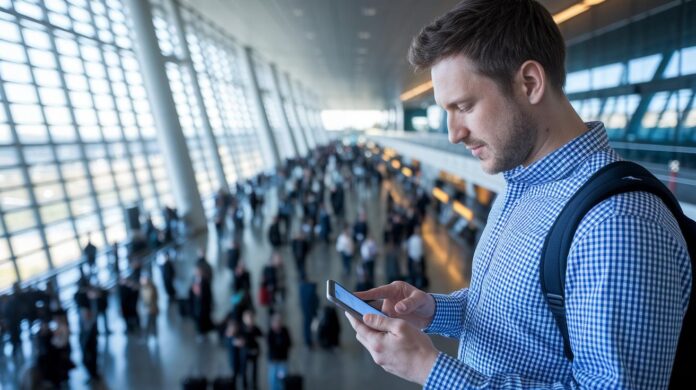
Have you ever thought that a super busy travel day might actually work in your favor? Even though key holidays can boost the number of travelers by over 50%, with nearly 3 million people moving about on days like Memorial Day or Labor Day, it might seem a bit overwhelming at first.
But savvy travelers see a silver lining. They plan ahead during these busy times to skip long wait lines and make the most of the hustle. Next time you find yourself in a bustling airport, take a moment to schedule your trip just right, it might turn a hectic day into a smoother, more relaxed adventure.
Data-driven Overview of the Busiest Travel Day
Major holidays like Thanksgiving, New Year's Eve, and summer breaks bring huge crowds to airports. It’s amazing how one special travel day can see record numbers at check-in counters across the country. For example, TSA data shows that on Memorial Day weekend (May 27, 2024), nearly 2.8 million travelers passed through, and on Labor Day weekend (September 2, 2024), about 2.75 million people were on the move. That’s more than a 50% jump compared to regular days!
Imagine travel numbers soaring over 50% higher than usual. This surge pushes up ticket prices and fills hotels in a flash. In fact, the Secretary of Homeland Security even confirmed record-breaking holiday numbers for 2024, showing just how packed these peak days really get.
Because of these busy times, travelers often find themselves in long lines, crowded terminals, and in a tight race for seats. Whether you’re flying or using local transit, these trends hit everywhere. Data models closely watch these patterns, offering great clues for anyone planning a holiday trip. Both business and vacation trips feel the pinch when demand spikes, affecting flight options and hotel costs.
If you know when the heavy travel days are, you can plan smarter. By spotting these key dates, you can choose alternative travel days or tweak your departure times, making your journey a lot less stressful.
Holiday Events Driving the Busiest Travel Day

Thanksgiving’s midweek departures and Christmas Day return flights truly set the stage for the busiest travel day you can imagine. As families come together for those warm holiday reunions, airport terminals buzz with activity as travelers hurry to get home. Imagine boarding a flight on Thanksgiving Wednesday, passengers fill every available seat until the plane is half or more full, making every little bit of space count.
The winter holiday rush can be a whirlwind. Lines at the airport often grow twice as long, and planes end up packed to the limit. And with full passenger lists and backed-up roads, it’s not unusual to see delays jump by around 30% during the season. Then, there’s summer travel, especially from late June through early August. During weekends, travelers pour onto the highways and into the skies, adding even more pressure to an already hectic scene.
Here’s a quick refresher to help you plan your next adventure:
- Thanksgiving: Midweek, especially Wednesday departures, mean really crowded flights.
- Christmas: Heading home on the holiday itself can bring major delays.
- Summer: Late June to early August sees a big spike in both road and air travel.
These holiday events are like signposts along your journey, marking the times when travel really peaks. Knowing what to expect can help you pace yourself and be ready for that holiday hustle.
Airport and Road Congestion on the Busiest Travel Day
Travel day rush can really take the wind out of your sails. Picture this: you’re at the airport, stuck in a line that seems to go on for ages, some folks say they waited over an hour just to get through TSA. One traveler mentioned it felt like they spent their whole morning in that line. It’s as if every delay knocks your travel plans out of whack.
The roads aren’t any easier. Major highways like I-95 and I-75 turn into massive parking lots during holiday times. Imagine being stuck in traffic for up to three hours. That extra time on the road can turn a quick drive into a mini-adventure you didn’t plan for, and urban centers just get more hectic with every extra car.
Here’s a quick look at what happens when sky and road pressure meet:
- TSA lines stretch over 60 minutes.
- Runway hold-ups spike by about 40%.
- Main highways have jams lasting up to 3 hours.
- Overall, these delays bump up missed connections by roughly 20%.
Every extra minute waiting in line can mean a delayed flight, while those bumper-to-bumper roads might cause you to miss your next appointment. It’s a double whammy that makes careful planning a must. So, check real-time updates before you leave and try to travel during quieter times if you can, it might just save you a big headache.
Planning and Alternative Strategies for Avoiding the Busiest Travel Day
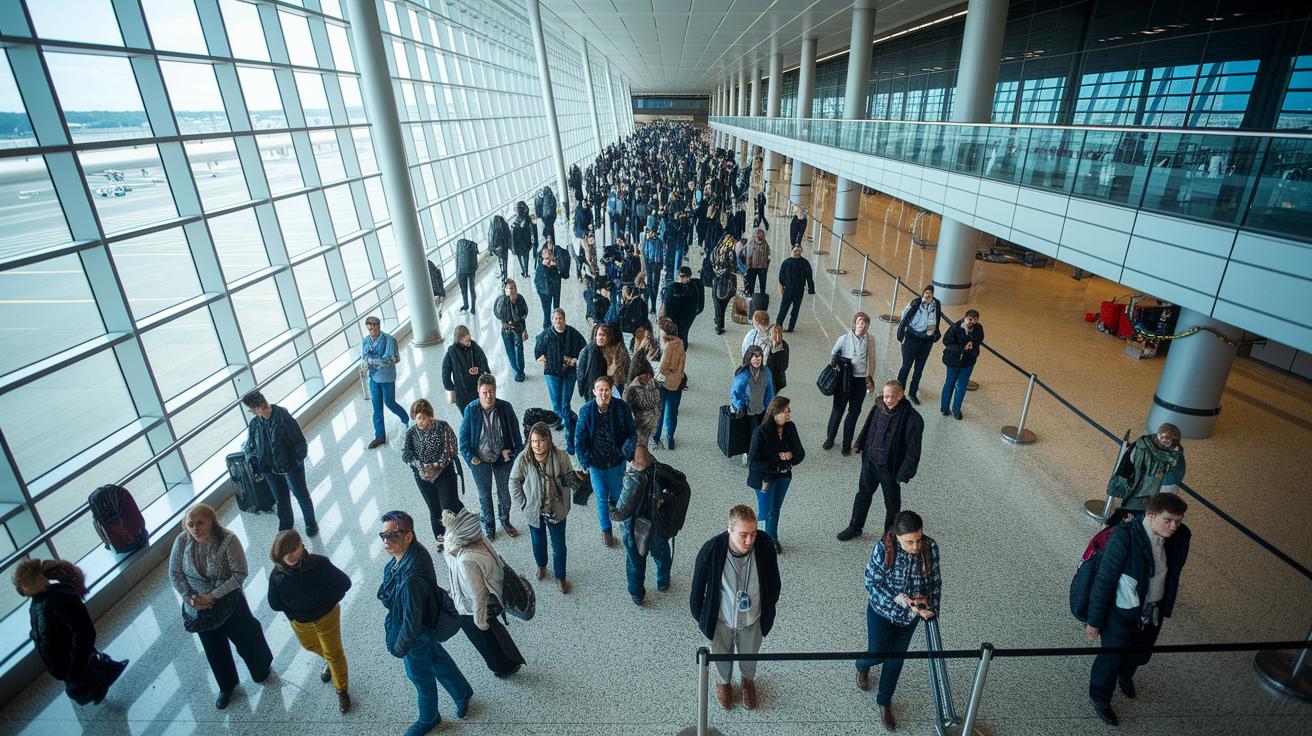
Have you ever felt trapped in a never-ending line at the airport? One little trick that works wonders is tweaking your travel dates by just a couple of days. Experts believe that shifting your trip two or three days before or after the busiest day can chop your waiting time in half. It’s like discovering a secret shortcut in a maze, suddenly that dreaded 60-minute TSA line (that’s the screening area at the airport) becomes only a 30-minute wait. Pretty neat, right?
Another smart idea is to lock in your flight well ahead of time. Booking more than 60 days early not only saves you a pretty penny (up to 20–30% off those steep ticket prices) but also means you’re more likely to end up on a less crowded flight. And here's a cool bonus: opting for off-peak travel routes or even smaller local airports can sometimes reduce delays to under 15 minutes. I’ve heard fellow travelers gush about how these choices transform their trips from stressful to super smooth.
Don’t forget to keep your options open when it comes to travel. Buses and trains, if booked early, often run on time 85–90% of the time. So if one way seems off, give another a try. Little tweaks like these help you create a hassle-free journey that lets you focus more on enjoying the adventure ahead.
- Shifting your travel by 2–3 days from the peak can chop your wait time in half.
- Booking your flight 60+ days early can trim ticket price hikes by 20–30%.
- Choosing off-peak routes can cut delays down to less than 15 minutes.
- Early bus or train reservations often reach on-time rates of 85–90%.
Forecasting Future Busiest Travel Day Trends
Data modeling is like having a savvy travel buddy who helps you plan your trips ahead of time. TSA and DHS models can tell you when travel days might be calm or super busy with almost 90% accuracy. Big holidays now, like Memorial Day, pack as many travelers as Thanksgiving, hinting that busy days are changing.
Real-time tools are now in the mix, offering live updates on how crowded airports and roads are. This means you can tweak your plans to dodge any hold-ups.
Industry experts predict that busy travel days will see a steady 3–5% growth each year. That means, as you book flights or plan your route, these trends can help you steer clear of the extra delays. Data models even say travel day surges are almost 90% predictable, giving smart travelers a clear advantage in planning.
Embracing these insights turns trip planning from a guessing game into a smooth adventure.
Economic and Environmental Impact of the Busiest Travel Day

Peak travel days can really boost airlines and hotels, up to a 25% jump in revenue. That means local business owners and workers get an instant lift from the extra buzz. Imagine snagging a hotel room during a busy holiday; while prices shoot up, the local economy can see hotel occupancy rise by 20-30%. This rush helps nearby restaurants and shops thrive, turning hectic travel days into profitable mini-festivals for the community.
But on the other hand, these busy days also take a toll on the environment. With more cars on the road and fuller flights, CO₂ emissions climb about 15%. I remember one traveler saying, "Waiting in a long line at the airport made me suddenly more aware of the extra emissions from idling cars." This surge in pollution and resource strain shows that while local pockets may prosper, our planet bears a heavier load. So next time you plan a trip, it might be worth considering eco-friendly options to soften that impact.
Final Words
In the action, this post broke down the numbers and events that shape the busiest travel day. It showed how holiday events ramp up traveler numbers, boosting both air and road loads.
We then explored practical tips to ease delays and shared data insights that impact costs and environmental factors. Small changes in your schedule can smooth the ride on the busiest travel day. Embrace these insights and plan ahead to keep your trip running as smoothly as possible.
FAQ
What are the top 10 busiest travel days and when do they occur?
The top 10 busiest travel days occur during major holidays like Thanksgiving, New Year’s Eve, and summer break. Travelers face high congestion on both roads and courts during these key dates.
What is the busiest travel day of the year?
The busiest travel day of the year typically centers around Thanksgiving, when traveler counts soar and flight and road delays peak due to high demand.
How do airports and roads cope with these peak travel days?
The busiest airport day leads to long TSA lines and runway slowdowns, while highways see hours of heavy traffic that can cause significant delays and missed connections.
Is Thanksgiving the busiest travel day in the USA?
Thanksgiving is often the busiest travel day in the USA as it marks a major departure period. Both air and road networks experience record-high congestion on this day.
What day sees the least travel volume?
The least traveled day generally falls after the holiday rush, when traveler numbers drop significantly, easing wait times and overall congestion.
What day does TSA record as the most traveled?
According to TSA data, weekends like Memorial Day and Labor Day see remarkable traveler numbers, often reaching upwards of 2.7 million passengers on peak days.
Which days do most people choose to travel?
Most people opt to travel around holiday periods and long weekends, with many shifting their plans to days just before or after major peak dates.
How are travel trends expected to shift in the coming years, like in 2025?
Future forecasts indicate a steady rise in peak-day traveler counts, meaning busy days will continue to grow. Travelers are encouraged to plan early and consider off-peak alternatives.