Ever wonder why ancient trails still light up our modern wanderlust? These old pilgrimage sites have a magic of their own, where each footstep feels like turning a page in a living adventure. Long ago, these routes gave weary travelers a safe haven, a place to catch their breath and find hope.
Today, you can walk where history and mystery mingle, feeling the echoes of faith and grit in every stone and pathway. Each step is like rediscovering a secret from a time that still speaks to our hearts. Come along and explore some of the most unforgettable historic pilgrimage spots, where the past is always waiting to share its story.
Landmark Historic Pilgrimage Destinations Across Continents
Santiago de Compostela is a true treasure for travelers with a love for sacred journeys. Back when trips to the Holy Land were too risky and expensive, pilgrims found safety and hope here. Imagine walking along ancient paths, each step whispering a story, until you finally reach a majestic cathedral that has celebrated faith for centuries.
In France, the Basilica Sainte-Madeleine in Vézelay has been a welcome haven for pilgrims since 1104. This charming spot offers a mix of spiritual renewal and a peek into medieval art and history. It’s like taking a step back in time, with centuries of devotion and vibrant cultural tales waiting to be discovered.
Then there’s the Via Francigena, a historic trail that winds through stunning landscapes. From the lovely towns of Lucca and Siena in Italy all the way to Rome, each part of the journey is filled with enchanting medieval villages and breathtaking views. It’s a path that weaves together spiritual moments with the beauty of everyday life.
And let’s not forget the Templar Trail and the Jerusalem Way. The Templar Trail, starting in Dijon and leading toward Jerusalem, shows how groups once joined forces to protect travelers along ancient roads. Similarly, the Jerusalem Way is a network of timeworn paths that share the stories of many who felt a deep connection with the sacred.
Each of these remarkable sites is steeped in a long history of faith and cultural exchange. They invite you to experience more than just a visit, they offer a heartfelt journey into the enduring power of belief and heritage.
Medieval Sacred Pilgrimage Routes and Their Guardians
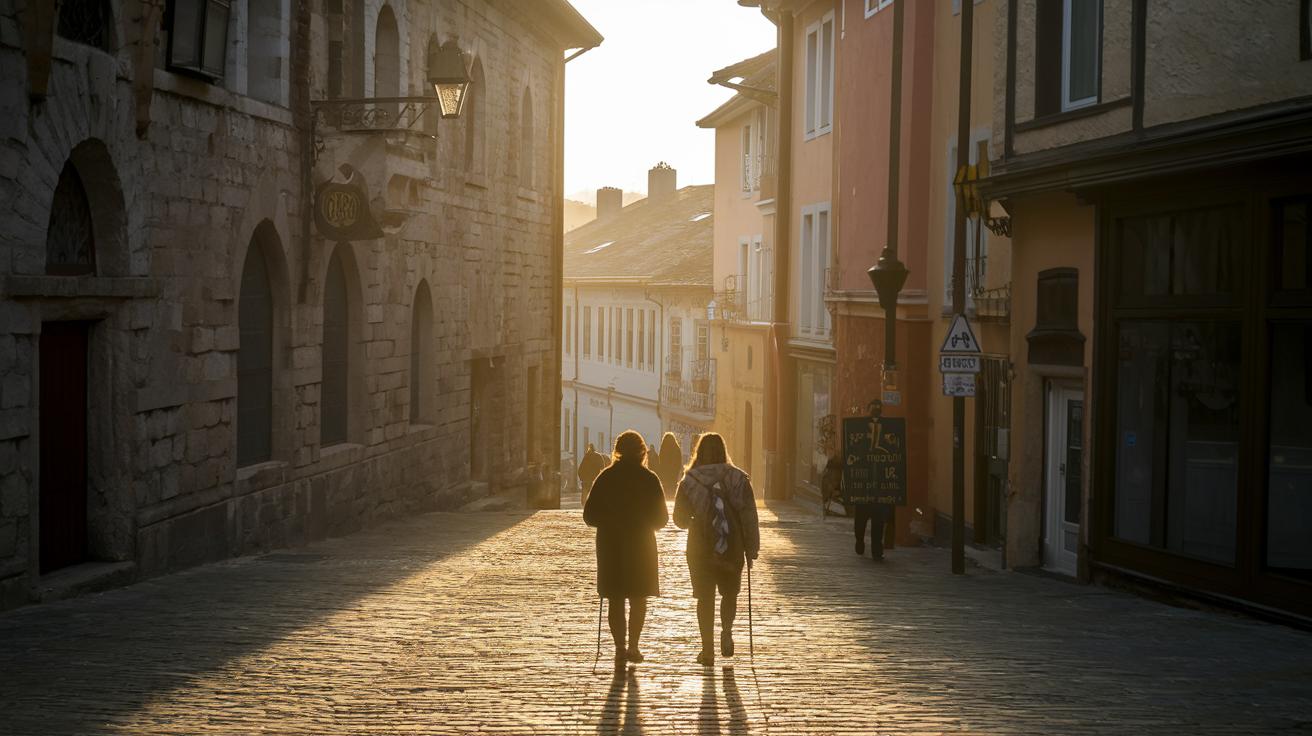
Back in medieval days, these sacred paths were more than just trails, they were busy routes where cultures, ideas, and goods mingled. Fun fact: before the Knights Templar became famous for their battle skills, they were known for keeping tired travelers safe and cared for in dangerous regions.
On the Way of St. James, pilgrims weren’t just searching for spiritual peace at Santiago de Compostela’s grand cathedral. They also discovered friendly stops where people shared stories, snacks, and small treasures, helping local communities grow.
The Via Francigena, born in the 7th century and winding through the Apennines at the Cisa Pass, was like a lifeline between regions. Travelers chatted with local merchants at cozy rest spots, exchanging bright ideas and boosting local economies with every friendly hello.
The Templar Trail weaves a fascinating route from Dijon through Serbia and Istanbul, all the way to Jerusalem. It wasn’t only a religious journey; it built bridges between different cultures and reminded everyone how important it is to support one another on long, tiring journeys.
Similarly, the Jerusalem Way was made of old tracks leading to the Holy City, but it also opened doors to rich cultural exchanges. In every step taken along these routes, protection met trade meet personal bonds, leaving a warm and lasting mark on medieval society.
Famed Spiritual Trails: The Via Francigena and Camino de Santiago
The Via Francigena unfolds in three parts, each with its own charm. Starting in Lucca and making your way to Siena, you wander past old towns like Monteriggioni and San Gimignano, a UNESCO treasure since 1990. Imagine walking on cobbled streets where every corner whispers stories of old. It’s like stepping into a real-life postcard where the past and present share a quiet conversation.
From Siena to Montefiascone, the trail treats you to the gentle beauty of valleys like Val d’Arbia and Val d’Orcia. You’ll pass delightful stops such as Bagno Vignoni and Radicofani. With daily distances from 9 to 27 kilometers in about 4 to 7 hours, it’s a journey that feels like you’re chatting with history at every step. One traveler once remarked that each step felt like a soft exchange with centuries gone by.
The final leg from Montefiascone to Rome is a feast for the eyes. You’ll see sights like Lago di Bolsena and the old Sutri amphitheater, all building up to the grand finale at St. Peter’s Basilica. Reaching Rome is extra special during Easter, when the city pulses with a sacred, vibrant energy and pilgrims proudly collect a Testimonium certificate.
Over in Spain, the Camino de Santiago splits into two famous routes. On the French Way, you cover the last 100 kilometers from Sarria, passing charming towns like Portomarin, Melide, and Azua. Walking this path earns you a Compostela certificate, and it’s best enjoyed in May, June, or September. On the other hand, the Coastal Way starts in Baiona and treats you to sites like Monte Real castle and sweeping views around Illas Cíes. Here, you can sip on local Albariño wine, enjoy fresh shellfish, and even join the Padrón Pepper festival in August. This route works wonderfully from April through October, offering a mix of cultural flavors and stunning scenery.
Iconic Holy Landmarks: Architecture and Cultural Impact of Pilgrimage Sites

Romanesque churches, built long ago, still leave us in awe today with their heavy stone walls and tiny, well-placed windows. These design choices created curved ceilings that not only made the sound of sacred chants echo beautifully but also helped keep the buildings safe from fire. Picture walking into a cool, echoing space where every stone seems to whisper tales of old prayers.
Pilgrimage churches were the original magnets for spiritual tourism. In towns that housed these grand monuments, visitors would spend money that helped local communities flourish. Take the Basilica Sainte-Madeleine in Vézelay, for example. This lively spot became a center for both cultural exchange and economic growth. Back in medieval times, travelers flocked there for a mix of spiritual comfort and local friendliness. One visitor even said, "Walking through the basilica felt like I was touching history itself."
On these sacred routes, everyday life mingled with deep devotion. As pilgrims journeyed between sites, they not only nourished their own faith but also played a part in boosting local cultures. These landmarks continue to shine with the magic of past devotions and clever, lasting design.
Pilgrimage Tour Preparation: Planning and Packing for Historic Routes
Planning your pilgrimage tour can be as fun as packing your favorite snack for a trip. Imagine choosing just the right essentials, jotting down your daily goals, and marking the dates of your favorite festivals. Most travel routes will have you walking between 9 and 27 km each day, about 4 to 8 hours of soaking in the sights at your very own pace. One seasoned traveler said it’s like walking through a story that unfolds with every step.
When you map out your journey, it helps to plan your stops around local events. Picture spending Easter in Rome, where the city buzzes with sacred energy, or heading to San Miniato in autumn to enjoy the White Truffle Fair, a real treat for your tastebuds. And if you find yourself traveling in July or August, don’t miss the spirited local celebrations like the Est! Est!! Est!!! wine festival or the lively Palio di Siena.
There’s a real joy in crossing milestones on these routes. Finish the Via Francigena and you earn a Testimonium certificate, while the Camino de Santiago comes with its own Compostela certificate to celebrate your efforts.
Be sure to pack clothes that match the weather, sturdy walking shoes, and a handy first-aid kit. For more tips on how to pack or plan your route, check out these resources: travel packing tips and travel itinerary.
- Jot down your daily distances
- Sync your journey with local festival dates
- Pack gear that’s cozy and weather-ready
A well-thought-out plan turns these historic pilgrimage routes into unforgettable adventures that blend tradition, spirituality, and a little bit of modern fun.
Seasonal Highlights and Cultural Traditions on Historic Pilgrimage Paths
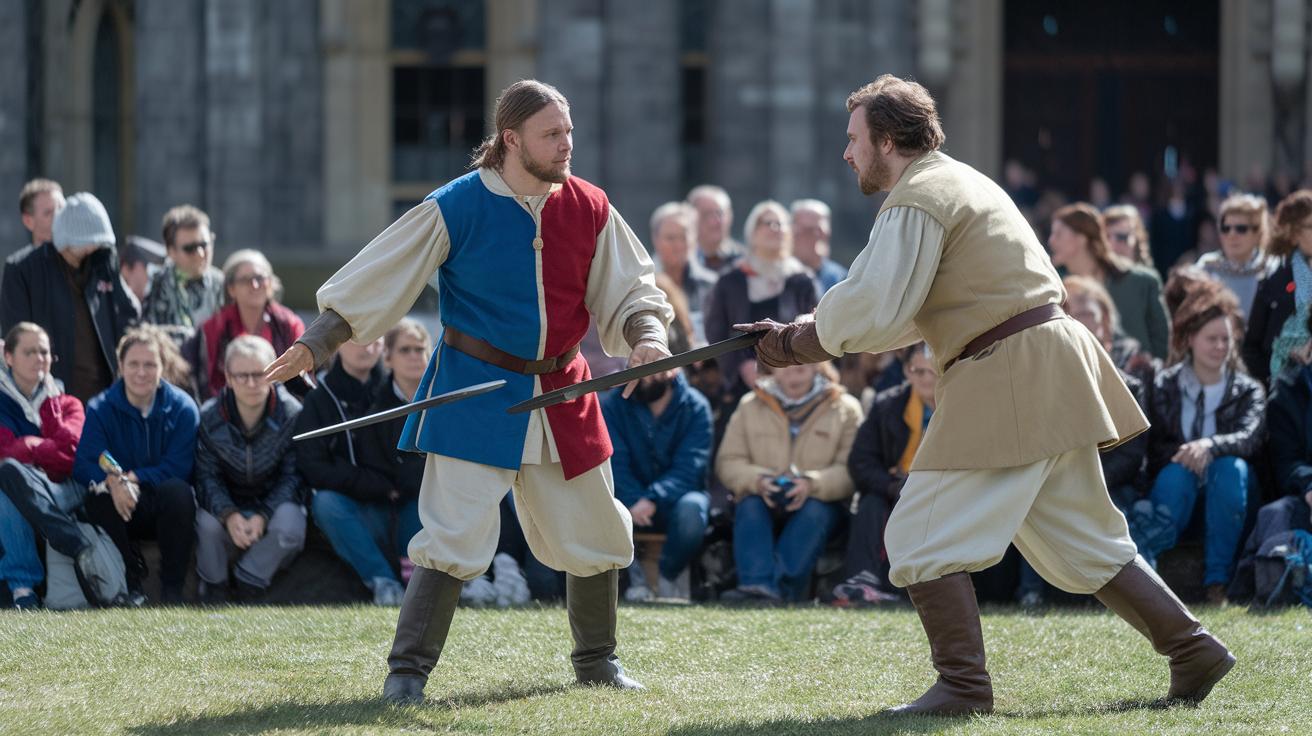
There are festivals everywhere, but these special local events give you a fresh peek into the heart of cultural traditions along the old routes. Instead of just following the crowd, you get to see a slice of local life that really stands out.
On the Camino Coastal Way, the late March Reconquista festival is unlike any other. Locals bring history alive with live reenactments and storytelling that make you feel like you're stepping back in time. Imagine watching a small scene where people act out an old battle, their gestures and lively dialogue turning history into a vivid, unforgettable moment.
Then, along the French Way, the May Festas da Ascensão invites you to experience deep-rooted community rituals. Picture joining a serene procession under a clear sky, where participants softly chant and carry meaningful symbols. It’s a chance to truly feel the respect and wonder of traditions that go back generations.
These events offer a new view on cultural practices, adding a rich, personal touch to your travel story. They remind you that every step along the journey holds a unique story waiting to be discovered.
Final Words
In the action of exploring famous routes and sacred sites, we covered everything from the historic significance of medieval trails to practical tips on daily pacing and seasonal events. We looked at standout landmarks like Basilica Sainte-Madeleine and the dynamic routes of the Camino and Via Francigena. This guide brings together useful planning advice with inspiring snapshots of cultural traditions. Remember, your adventure through the top historic pilgrimage destinations awaits, promising a blend of spiritual discovery and well-rounded travel know-how. Enjoy every step along the way!
FAQ
What are top historic pilgrimage destinations in the world?
The top historic pilgrimage destinations in the world include Santiago de Compostela in Spain, Vézelay’s Basilica Sainte-Madeleine in France, and Jerusalem, all celebrated for their long-held spiritual and cultural traditions.
What are some common places of pilgrimage in Christianity?
The places of pilgrimage in Christianity feature revered sites such as Santiago de Compostela, Jerusalem, and Rome, where relics, timeless art, and centuries of faith attract visitors and believers alike.
What pilgrimage routes are popular across the world?
The pilgrimage routes popular worldwide include the Camino de Santiago, Via Francigena, and the Jerusalem Way, each offering a well-marked path that carries centuries of sacred history and local flavor.
What are some significant Catholic pilgrimage sites?
The significant Catholic pilgrimage sites include Rome’s St. Peter’s Basilica, Santiago de Compostela, and Vézelay’s Basilica Sainte-Madeleine, each site holding centuries of religious importance and artistic heritage.
What are some World Heritage pilgrimage routes?
World Heritage pilgrimage routes such as Via Francigena and Camino de Santiago are recognized for their historical paths, structural beauty, and the unique blend of art, faith, and tradition they offer travelers.
What are the best pilgrimage walks in Europe?
The best pilgrimage walks in Europe feature routes like the Camino de Santiago and Via Francigena, offering travelers memorable trails with marked distances, local festivals, and heartfelt traditions along every step.
Can you provide some pilgrimage route examples?
Pilgrimage route examples include the Templar Trail, Jerusalem Way, and Camino de Santiago, all offering a mix of ancient history, spiritual touchpoints, and cultural encounters along their paths.
What is the most famous pilgrimage in the world?
The most famous pilgrimage in the world is often considered the Camino de Santiago, renowned for its long history, winding paths, and the thousands of visitors who experience its rich legacy each year.
What is the most famous pilgrimage route?
The most famous pilgrimage route is largely credited to the Camino de Santiago, famous for its age-old trails and the memorable moments that make every step a part of a shared spiritual heritage.
What is the most visited place for pilgrimage?
The most visited place for pilgrimage is Rome, home to St. Peter’s Basilica and other sacred sites that have long drawn millions of visitors seeking both spiritual connection and historical insight.
What are the three great pilgrimages?
The three great pilgrimages often refer to the routes to Santiago de Compostela, Rome, and the Holy Land, each representing a key facet of faith and cultural heritage that has inspired travelers for centuries.