
Have you ever wondered if travel warnings really prepare you for what’s ahead? US travel warnings act like roadside signs, gently nudging you away from risks before you even hit the road. They go from little safety reminders to big alerts about serious issues like terrorism or wild weather. In this post, I’ll walk you through the different warning levels and share how they can help guide you toward safer adventures.
us warnings for travel: Safe Routes Ahead
Travel warnings from the US are like helpful signs along the road, making sure you know what to expect before you pack your bags. The U.S. Department of State uses a simple four-level system to flag risks, from everyday safety issues like petty crime to bigger concerns like terrorism or natural disasters. Right now, places like Afghanistan and Syria fall into the highest risk category, which means they’re best avoided. And there are over 50 countries marked as Level 3, suggesting you might want to double-check your plans before heading there. For all the details, you can visit the US Department of State Travel Advisories page or check out our travel us warning guide.
Other groups also play a part in keeping you safe on your travels. The CDC sends out Traveler’s Health Notices that point out health concerns and how to dodge them, while the DHS has rules about border entry to keep everything secure. Plus, many countries update their advice on things that could affect your visit, such as gun crime or hate incidents, even detailing specific entry procedures for transgender or non-binary travelers. All these official updates work together to give you a clear, up-to-date picture of safety around the globe.
Staying in the loop is pretty easy, just check out interactive maps or sign up for email alerts. When you notice any changes on these official warning boards, it’s a good idea to revisit your travel plans. Trust the reliable sources, let the updates guide you, and soon you’ll be all set for your next exciting adventure.
Breaking Down US Travel Advisory Levels
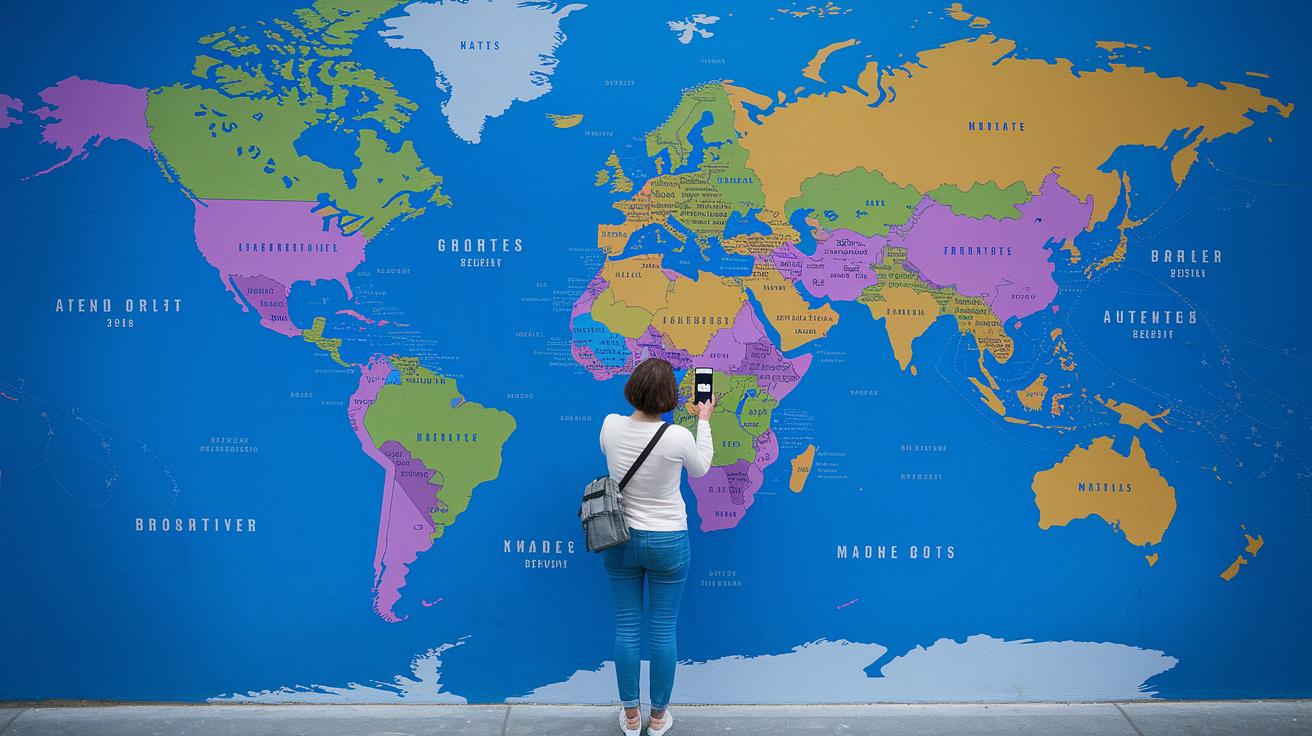
Travel advisories help you quickly figure out how safe a place is before you go. The State Department has a simple four-step system that looks at things like crime, terrorism, protests, health issues, and natural disasters. Think of it as a travel buddy giving you the heads-up about what to expect in a new country.
- Level 1: Exercise Normal Precautions – Everything’s pretty settled here, and everyday risks are low.
- Level 2: Exercise Increased Caution – There might be a few safety issues, so keep an ear out for local news.
- Level 3: Reconsider Travel – The risks are higher now, including crime, unrest, or health problems, so you might want to rethink your trip.
- Level 4: Do Not Travel – Extreme dangers like severe violence or ongoing conflicts make this spot a no-go.
These levels are set after looking at what’s really happening on the ground, and they change as the situation does. Keeping up-to-date on your destination’s status means you can plan better, adjust your itinerary if needed, and stay as safe as possible on your adventure.
Tools to Check Current US Travel Warnings
Stay in the know with up-to-date travel alerts without wading through old details. The State Department website now features an interactive map full of useful filters. For instance, if you choose the "health advisories" filter, you’ll instantly see notices like "Updated entry protocols for Florida." Plus, you can sign up for email or RSS alerts that match the regions you visit.
The CDC and DHS have refreshed their websites to give clear and simple summaries of local health advisories and entry protocols. Even the official smartphone apps got a boost, they now let you choose to get push notifications only when major changes happen. So, if there’s a sudden update like a border rule change, you’ll quickly get a message saying, "Border protocol revision: Check details now."
- Use enhanced filters on interactive maps
- Opt for tailored email and RSS alerts
- Set custom push notification preferences
Country-Specific US Travel Warnings Roadmap

Planning a trip around the United States or nearby areas? It can really help to know which spots might be a bit risky so you can decide if a detour is worth it. We’ve put together a handy list of six countries, showing their risk levels and main concerns. This info comes from looking at issues like armed conflicts, civil unrest, terrorism, and serious crimes. If you notice a country like Afghanistan or Haiti on the list, take it as a useful signal to double-check your plans and maybe consider a safer option.
Imagine you’re checking your travel itinerary and see that Afghanistan is at Level 4 because of armed conflict. Instead of diving into unpredictable situations, why not explore a bustling, friendly local market in a safer place? Little insights like these can really make a difference in planning a smooth journey.
Below is a simple table that breaks down the risks you might encounter:
| Country | Advisory Level | Primary Risks |
|---|---|---|
| Afghanistan | Level 4 | Armed conflict |
| Syria | Level 4 | Civil war |
| Yemen | Level 4 | Terrorism |
| Haiti | Level 4 | Violent crime |
| Mexico | Level 3 | Crime |
| India | Level 3 | Terrorism |
Use this guide as you map out your travel plans. The advice is simple: countries marked Level 4 call for serious caution, and even those at Level 3 might need a bit more checking before you set off. With these insights, you can decide when to press on, tweak your itinerary, or seek out destinations with a friendlier vibe. Always remember to check for the latest updates so your journey stays safe and as exciting as discovering a secret alley café.
Latest Updates on US Travel Bans and Restrictions
Traveling in and out of the United States is getting a bit easier these days, though a few rules still stick around. As of June 2024, if you're arriving by plane, you won't need a COVID-19 test anymore. Picture stepping off your flight, relieved that you can head straight to the arrivals hall without extra screening.
Land travel has also seen some relief. In May 2023, the Title 42 land-border policy was dropped. This means that whether you're driving or catching a bus, crossing the border feels less stressful than it did a few years back.
That said, some security measures remain. Travelers from countries like Iran and North Korea, along with a few others flagged for security concerns, still face entry restrictions. So if your adventure might take you to or from these regions, it's wise to double-check current policies by contacting the relevant embassy or looking up DHS Traveler Information.
Rules can change at a moment’s notice, so a quick check before you travel can save you from any unwanted surprises on your journey.
Safety Measures Under US Travel Warnings

When you’re headed to a country with travel advisories, the first thing to do is map out a solid plan. Pack a set of emergency contact papers, think of them as your personal lifelines when you’re in a new place. Signing up for STEP is another nifty trick; it helps track where you are along your journey. And don’t skip on comprehensive travel insurance, it might seem like an extra cost, but it’s a lifesaver when surprises pop up.
Staying safe also means following local advice. Keep tabs on official websites for real-time updates; they’re a bit like that friendly local who knows which streets to steer clear of at night. It’s wise to check the latest alerts before you head out or if your route takes you near areas with higher risks.
Even if your schedule is simple, a few extra steps can ease your worries. Imagine landing in a new city and knowing you’ve got the right contacts and insurance ready. With those precautions in place, you can relax and savor the adventures that really make your trip unforgettable.
Responding to Changing US Travel Advisories
When travel advisories change while you’re on the move, quick action can really save the day. It’s like suddenly finding a detour on an already winding road. Take a moment to pause and consider your options. If the risk at your destination rises unexpectedly, check your bookings right away. Look over your airline or hotel cancellation policies so you know exactly what steps to take if you decide to change your plans.
Then, reach out to your travel providers and ask if they might waive fees or offer flexible rescheduling. Many companies are ready to lend a hand when things shift fast. Also, don’t forget to file any travel insurance claims to help cover extra costs and update your itinerary to steer clear of high-alert zones.
It’s a smart move to keep your family or employer in the loop too. Letting them know what’s going on means they won’t be left wondering where you are. Acting quickly like this not only adds an extra layer of safety to your trip but also eases the overall stress.
Here’s a quick checklist to help guide you:
| Step | Description |
|---|---|
| Review policies | Check the airline and hotel cancellation rules. |
| Contact providers | Ask about fee waivers or flexible rescheduling options. |
| File insurance claims | Submit any travel insurance claims for unexpected costs. |
| Update itinerary | Adjust your plans to avoid high-alert areas if needed. |
| Notify family/employer | Inform your loved ones or workplace about your situation. |
Essential Contacts for US Travel Alerts

When you're out there exploring new places, having a few key numbers saved can make your journey so much easier. Think of these contacts as your travel pals, ready to help if you ever need a little extra guidance or support. Whether you’re checking up on travel guidelines, signing up for a safety program, or getting in touch with a nearby embassy, these are the contacts that you might really need along the way.
Keep this info handy on your smartphone or scribbled down in your travel journal. And before you head off, a quick check to ensure the details are up-to-date can save you a lot of hassle. Next, if you ever have questions about entry rules, health tips, or any other concerns related to US travel alerts, a fast call or a site visit to these agencies can provide the answers you need. Having these contacts close by is like carrying a little safety net wherever you wander.
| Agency | Contact Information |
|---|---|
| State Dept Call Center | 1-888-407-4747 |
| STEP Enrollment | step.state.gov |
| Local U.S. Embassy/Consulate | Phone and address vary by location |
| CDC Traveler’s Health Hotline | Refer to CDC website for current number |
| DHS Traveler Information | Refer to DHS website for details |
Final Words
In the action, we traced the steps behind us warnings for travel, from understanding advisory levels to accessing real-time alerts from official sources. We broke down key safety measures and how to adjust plans when situations change. The guide also reviewed hidden details of country-specific alerts and connected you with essential contacts for quick help. Enjoy planning your next unforgettable trip with confidence and stay informed for a safe, smooth experience.
FAQ
What do the U.S. travel ban update today, current travel restrictions, and new travel requirements mean?
The latest updates explain the fresh border measures and updated entry rules. They cover lifted COVID protocols and security checks, so check official DHS and State Department sites for the most current details.
What countries are on the U.S. do not travel and high alert lists?
The do not travel and high alert lists highlight places such as Afghanistan, Syria, Yemen, and Haiti. These warnings indicate high risks due to conflict, crime, or unrest.
What does the U.S. travel advisory map and State Department new travel advisory show?
The travel advisory map offers an interactive guide with risk levels per country. New advisories from the State Department flag areas with safety issues, like terrorism, crime, or health concerns.
Why does the U.S. issue travel warnings?
Travel warnings are issued to alert travelers about risks like civil unrest, terrorism, severe health threats, or natural disasters. They help visitors avoid areas that might pose safety challenges.
Is it safe to travel within the USA, and what should travelers avoid?
Safety in America can vary by region and current alerts. Travelers are advised to avoid known high-risk neighborhoods and monitor local advisories from trusted sources for the best experience.