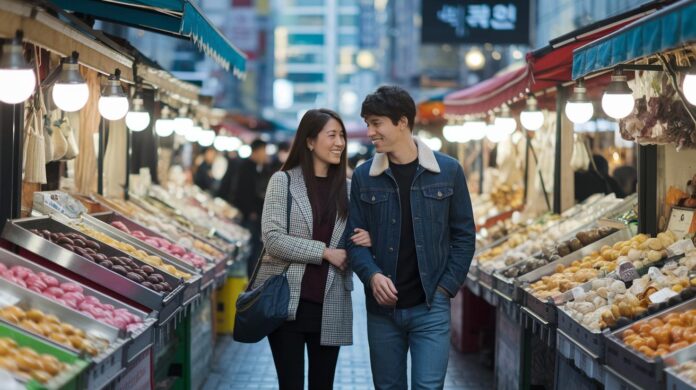
Have you ever wondered why Seoul feels so magical? Many say that the way old traditions mix with cool modern vibes makes it truly one-of-a-kind. Imagine wandering past ancient palaces and then getting caught up in the buzz of busy street markets where the smells and sounds invite you to explore further.
And here's a neat tip: with a bit of smart planning, you can score flight deals that are almost too good to miss. Every season in Seoul brings a fresh twist, revealing new corners of the city’s irresistible charm.
Ready to dive into the secrets of this dynamic city? Let your next adventure begin in Seoul, where every street tells a story.
Journey to the Korean Capital: Essential Seoul Travel Planning

Seoul is an exciting city that welcomes travelers no matter when you visit. In spring (Mar–May), soft pastels and mild days make it easy to wander ancient palaces and lively markets. Summer (Jun–Aug) brings warm days with a few refreshing rain showers, don’t forget your umbrella! Come autumn (Sep–Nov), the streets glow with rich reds and golds, and in winter (Dec–Feb), the cool, crisp air sets the perfect scene for clear, invigorating days.
When planning your trip, keep in mind that round-trip flights from major U.S. cities generally range from about $600 to $1,200. In those off-peak times, just before or after the busy season, you might even spot some great flight deals. Fun fact: a savvy traveler once enjoyed nearly a 30% discount simply by planning early during the quieter months.
Before you book your flight, it’s important to sort out your visa needs. Many travelers can stay in Korea for up to 90 days without a visa, which really simplifies last-minute adventures. If your country requires an e-Visa, you can easily apply online through the official government website. A little planning with the right documents makes your journey a lot less stressful.
Don’t forget to check the local weather forecast as you pack, being prepared means you can truly enjoy everything Seoul has to offer. With smart planning around seasons, flight deals, and entry requirements, you can get ready for a smooth and unforgettable experience in this vibrant city.
Seoul Transit Guide: Airport Transfers and Public Transportation
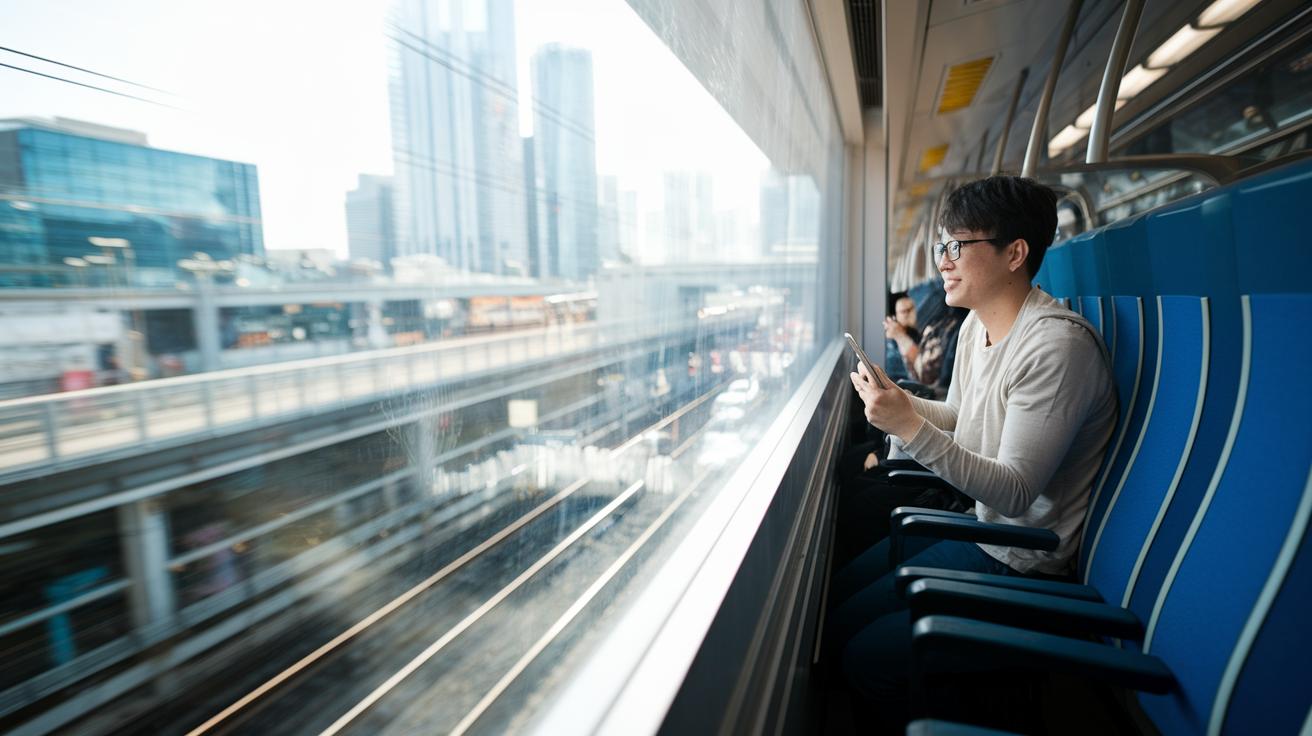
When you step into Incheon Airport, you'll find several handy ways to get into Seoul’s lively center. One of the favorite options is the AREX express train. It takes about 43 minutes to reach Seoul Station. Imagine stepping off the platform, quickly grabbing a seat, and letting the train whisk you towards the bustling heart of the city.
If you enjoy watching the world roll by, hop on an airport limousine bus. This ride takes between 60 and 80 minutes to get you into central Seoul, and it’s a relaxed journey as the bus meanders through busy streets and scenic spots.
Prefer a more personal ride? You can order a taxi using the Kakao T app for door-to-door service. Just remember that these taxis take cash or a T-money card as payment. By the way, the T-money card is key for traveling around Seoul. You can use it on subways and buses, and each ride costs just around $1 to $2, making your journeys both easy and affordable.
For planning your daily trips, local apps like Naver Map or Google Maps are super helpful. And if you’re into ride-sharing, you’ll find that Uber works here in a slightly different form called Uber T.
With these options at your fingertips, exploring Seoul becomes a breeze. Enjoy every moment of your adventure in this dynamic city!
Choosing Neighborhoods and Accommodations for Your Seoul Travel

If you want to be close to historic palaces and bustling shopping streets, check out Central-Northern Seoul. Areas like Insadong and Myeongdong will put you in the heart of the city's rich culture. I once stayed in a snug guesthouse in Myeongdong for just $20 a night, and being steps away from local markets made every day feel like a new adventure. Budget spots in this part of town usually run between $15 and $25 per night.
For solo travelers with a creative spark, Hongdae is the place to be. This neighborhood buzzes with energy and offers a youthful, artsy vibe that is perfect for meeting new people. Budget-friendly hostels here give you not only a comfy bed for the night but also a lively community space where stories and ideas flow as easily as conversation.
If you are up for exploring Seoul’s nightlife, Itaewon is a great choice. It is teeming with diverse dining options and fun entertainment spots. Here, you can enjoy a blend of local charm with a sprinkling of international flavor, making your evenings as adventurous as your days.
When planning a family trip, look for quieter streets and more spacious hotels near historical sites in Central-Northern Seoul. These neighborhoods offer mid-range hotels that usually cost between $70 and $150 a night, ensuring a comfortable stay with plenty of room for everyone to relax.
For a touch of luxury, head over to Gangnam. This upscale district offers stylish hotels starting at around $200 per night. Besides plush accommodations, Gangnam is known for its chic boutiques and trendy beauty spots, giving you a modern escape that feels just right.
If you’re planning a longer stay, why not mix it up? Spend a few vibrant nights in a Hongdae hostel and then switch gears to the refined luxury of Gangnam. This way, you get to taste the many flavors that Seoul has to offer.
Must-See Landmarks and Hidden Gems in Seoul
Step into history at Gyeongbokgung Palace. This majestic royal seat lets you wander ancient courtyards and imagine kings and queens strolling these very grounds. Don't miss the guard change, it’s a live show of tradition that feels like stepping back into another era.
Take a break by exploring the Cheonggyecheon Stream. Stretching for 7 miles, this urban waterway glows softly under the evening sky, turning the hustle of the city into a gentle, peaceful retreat. It's the perfect spot for a leisurely walk where you can watch city lights dance on the water.
A short walk away, Bukchon Hanok Village is waiting to transport you to a time gone by. Tucked among modern buildings, its traditional houses, wooden roofs, and stone paths invite you to lose yourself in the charm of old Seoul. As you meander through its narrow lanes, you might even find a quiet hideaway for a moment of reflection.
For a blend of past and present, hop on a cable car up to Namsan Seoul Tower & Park. This modern icon features the famous Locks of Love, tokens that couples leave as a sign of their bond. Enjoy a slow pause here and soak in panoramic views of the city spread out below you.
Craving some local flavor? The bustling markets of Namdaemun and Insadong offer an immersive taste of everyday Seoul. Picture busy stalls brimming with unique souvenirs, tasty snacks, and energetic street scenes. And if you're in for a burst of creativity, the contemporary spots like Dongdaemun Design Plaza and Hongdae’s street art districts are sure to inspire.
Venture off the beaten path in the hidden corners of Seochon Village and Ikseon-dong. These quaint alleys are sprinkled with quirky cafés and boutique shops where unexpected art and indie tunes fill the air, inviting you to discover the soulful, layered spirit of Seoul.
Street Food and Culinary Tours in Seoul

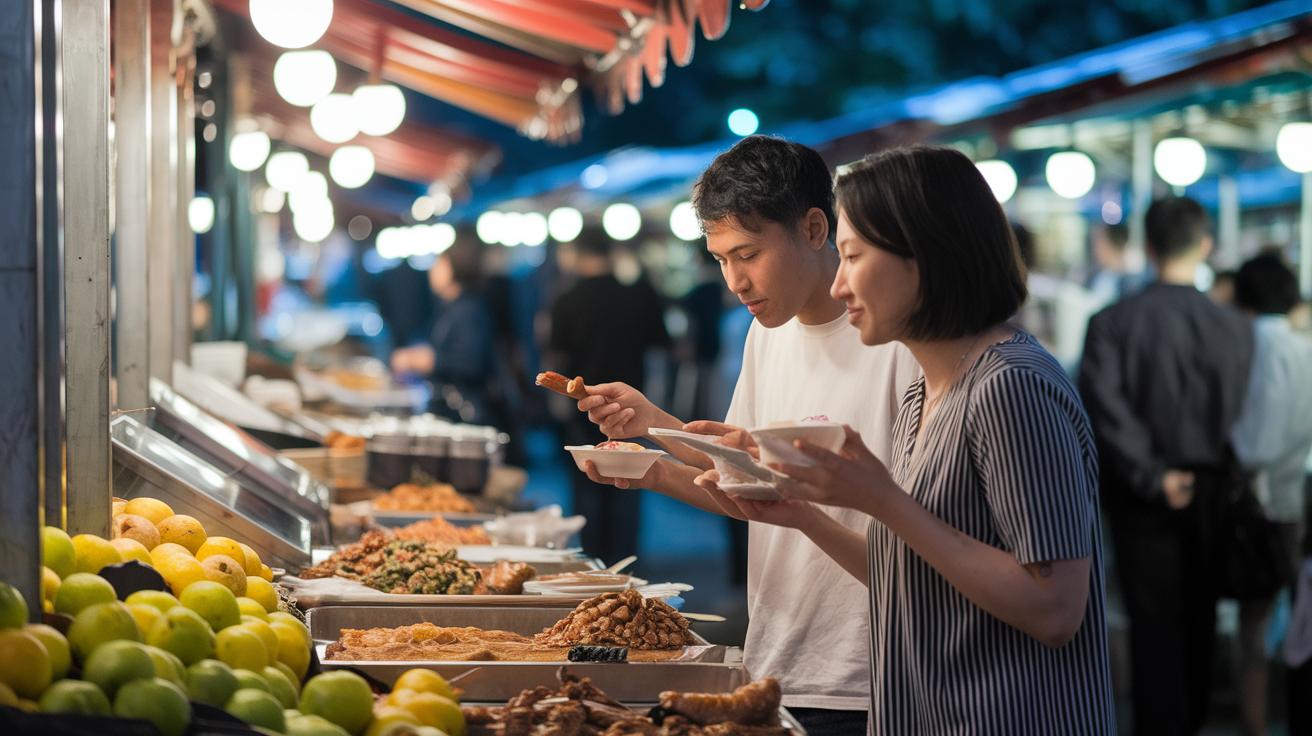
Step right into Seoul's vibrant street food scene, a place where every bite has its own story. Imagine wandering through lively markets like Gwangjang and Namdaemun, where the delicious smells and sizzling sounds from small street kitchens greet you at every turn.
You'll come across must-eat delights like tangy, flavorful kimchi and colorful bibimbap overflowing with fresh veggies and a dash of spicy gochujang. And if you're craving something crunchy and savory, give Korean fried chicken a try, it's available in both a bold gochujang spice and a milder garlic twist.
Ever experienced the joy of biting into a warm, tender mandu? These dumplings are filled with savory ingredients that melt in your mouth. And don't forget hotteok, a sweet pancake filled with sugary syrup and crunchy nuts that feels like a little treasure. For a crispy treat, try bindaetteok, a mung bean pancake that crackles wonderfully as you eat.
If you're up for something different, soondae, a type of blood sausage with a unique, robust flavor, might surprise you, or grab some odeng, comforting fishcakes that are perfect when you need a quick snack on the run.
But street food in Seoul isn't just about snacks you can hold in your hand. There are hearty dishes too, like tteokbokki, spicy rice cakes swimming in a rich sauce that warms you from the inside out. Then there's kal-guksu, simple knife-cut noodles that feel like a warm hug on a cool day, and naengmyeon, cold buckwheat noodles that refresh you when the day gets a little too warm.
When you're in the mood for a sit-down meal, dive into a Korean BBQ or try donkkaseu for something truly filling. And to wrap up your culinary adventure? Treat yourself to bingsu, a cool, shaved ice dessert that's a perfect way to end your journey, even if it comes with a $20 price tag. And if hunger strikes along the way, you'll always find 24/7 convenience store eats to keep you fueled for your next adventure.
Seoul Itineraries: From Quick Visits to Extended Stays

For travelers pressed for time, a one-day plan is a great way to catch Seoul's top sights. Start your morning at Gyeongbokgung Palace, where magnificent buildings whisper stories from Korea's ancient past. Then, wander into Bukchon Hanok Village, where traditional homes nestle among the modern. Next, take a leisurely stroll down Insadong’s art-filled streets before wrapping up your adventure in Myeongdong, lively streets, cool shopping, and mouthwatering street snacks all blend to create an unforgettable day. Imagine standing before a grand old palace and feeling the magic of centuries unfold around you.
With three days at your disposal, you can dive into even more experiences. Along with the one-day highlights, add a climb up Namsan Seoul Tower for sweeping city views and a wander through Hongdae to soak up its creative and youthful buzz. And why not spend an evening in Itaewon? Enjoy a mix of diverse dining options and vibrant street life that truly brings the city to life. Plus, set aside a day for a guided DMZ tour, it’s a fascinating way to peek into the modern history and unique geopolitical story of the Korean peninsula.
If you’ve got a week, you're in for an epic adventure beyond Seoul’s borders. Start by hopping on a short flight or ferry to Jeju Island, where natural wonders and stunning coastal views await. Back in Seoul, spend a day exploring the lush trails of Bukhansan National Park, then let history enchant you with visits to Suwon Hwaseong Fortress and Andong Hahoe Village, places where the echoes of Korea’s rich traditions come to life. Picture yourself meandering along ancient stone paths, each step whispering secrets of a bygone era. And for a twist of regional travel, consider taking a ferry from Japan to Busan followed by a four-hour KTX train ride back to Seoul, setting the stage for an extended, truly adventurous trip.
Detailed multi-day and day-trip itinerary templates can easily be found by searching "travel itinerary."
Practical Travel Tips for Ensuring a Smooth Trip to Seoul

Pack your bags with care and plan ahead so your Seoul adventure goes off without a hitch. When you step off the plane, it’s a great idea to pick up a local SIM or rent a pocket Wi-Fi device, this little trick helps you stay connected with trusty apps like Naver Map, Google Maps, and KakaoTalk. Believe me, those apps can lead you to secret spots and let you wander new streets with confidence.
Make sure you have a Type F plug adapter in your bag. That way, you can charge your phone or laptop anytime, anywhere. And don’t worry about tipping, Seoul’s service usually includes a service charge. A sincere smile paired with a friendly “Gamsahamnida” (thank you) works wonders instead.
Learning a few key phrases goes a long way too. A cheerful “Annyeonghaseyo” (hello) is like a magic key to friendly interactions, and a simple “Juseyo” (please) will be super handy when you’re ordering food or asking for directions. These small efforts help you break through any language walls, whether you’re hurrying through a busy subway station or relaxing in a cozy café.
Money matters are sorted with Seoul’s public transit, just load up a rechargeable T-money card, and rides usually cost only about $1–$2 each. When you're out exploring local eateries or boutique shops, having cash on you and a little budget planned means more smiles and fewer surprises. Pro tip: During the summer, pack an umbrella for those sudden drizzles, and dress in layers to handle the shifting temperatures throughout the day.
If you ever run into trouble, know that dialing 112 gets you police help, while 119 reaches fire and ambulance services. And it’s smart to check that your travel insurance is in order, it adds that extra sense of security for any unexpected delays or medical needs.
So, take your time, enjoy every moment, and follow these tips. Trust me, a little planning goes a long way in making Seoul feel as welcoming and vibrant as a home away from home.
Final Words
in the action, this guide broke down practical steps to travel to Seoul. We looked at key planning tips, smooth airport transfers, neighborhood options that suit different budgets, and famous spots alongside lesser-known finds.
The post also shared street food delights and ready-made itineraries for any amount of time. Each section aims to help you plan a stress-free trip that feels real and memorable. Enjoy exploring the city and making your travel to Seoul an exciting, positive experience.
FAQ
Traveling to Seoul for the first time
Traveling to Seoul for the first time means exploring a lively city with clear tips on visas, accommodations, and must-see spots to help you plan a smooth and exciting trip.
Do I need a visa to travel to Seoul?
Do I need a visa to travel to Seoul? It depends on your nationality. Many enjoy a visa-free stay for up to 90 days, while others may need an e-Visa through official government channels.
Where can I find a Seoul travel guide PDF?
A Seoul travel guide PDF compiles key information like itineraries, essential sites, and local transport tips, making it easy for you to plan every aspect of your visit.
How do flights to Seoul work?
Flights to Seoul typically range from $600 to $1,200 round-trip from major U.S. gateways, with shoulder seasons often offering better prices. Consider booking early for the best deals.
What are the top 10 tourist attractions in Seoul?
Top tourist attractions in Seoul include historical spots like Gyeongbokgung Palace and Bukchon Hanok Village, alongside modern areas such as Hongdae, which all offer unique cultural experiences.
What should I include in a Seoul travel itinerary?
A Seoul travel itinerary can range from a one-day plan covering key landmarks to multi-day trips that include cultural hubs and even side excursions, helping you balance sightseeing with relaxation.
Where can I get a South Korea travel guide PDF?
A South Korea travel guide PDF provides detailed insights into itineraries, local customs, and transportation, offering travelers an excellent resource for planning a comprehensive visit.
Is it okay to travel to Seoul now?
Is it okay to travel to Seoul now? The answer depends on current global conditions and local guidelines. Check official tourism updates to confirm that all health and safety protocols are in place.
Is South Korea open for tourists now?
South Korea is open for tourists, but it’s best to check the latest entry requirements and health advisories on official government websites, as conditions can change quickly.
What do I need to know before going to Seoul?
Before going to Seoul, know about local etiquette, transport options, popular landmarks, and handy Korean phrases. This will help you embrace the local culture and feel more at ease during your trip.
Is Korea friendly to American tourists?
Korea is known for its friendly approach to American tourists, with welcoming locals and clear English signage in many areas, ensuring a comfortable and enjoyable travel experience.
What are the best hotel options for first-timers in Seoul?
When it comes to accommodations, first-time visitors can choose from budget hostels to luxury hotels in neighborhoods like Insadong or Gangnam, each offering its own unique style and convenience.