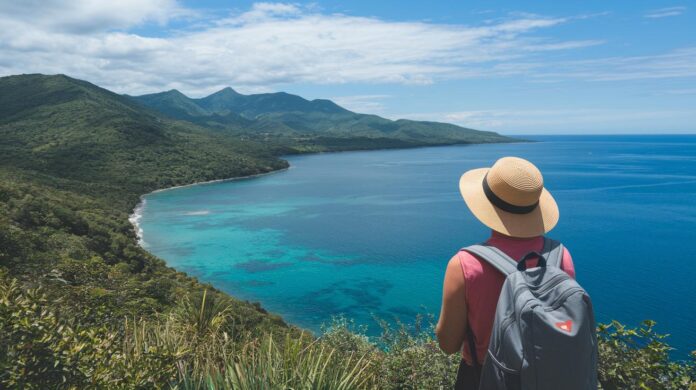
Ever wondered if it's safe to travel to Panama? The US government recently bumped up its travel caution level, so it's a good idea to stay informed. Think of it like checking the weather before a road trip, knowing what’s ahead can really smooth out your adventure. There are updates about local rules and a few risks like pickpockets and moments of unrest, so keeping up-to-date is key. This update gives you the facts to help you decide and plan your visit with a little extra care.
Panama Travel Advisory Overview
The US Department of State recently updated its travel advisory for Panama, setting the threat level to Level 2: Exercise Increased Caution, as of April 2024. The advisory now removes outdated COVID-19 links to better match current safety guidelines. Think of it like checking the weather forecast before setting out on a road trip, being informed is key to a safe journey.
Travelers should keep in mind that Panama still faces challenges such as petty theft, episodes of violent crime, and occasional civil unrest in some urban areas. There are also changes in COVID-19 guidelines that might affect how you enter the country and interact locally. During your travels, try to keep your valuables secure as you would your travel documents, and be careful in crowded places.
It’s a good idea to regularly check both the US State Department and Panamanian government advisories before and while you're there. Taking a few simple steps, securing your belongings, planning safe transport, and staying updated on local health protocols, can really make a difference. Stay flexible and ready to adjust your plans as needed so you can focus on the adventure of exploring Panama while staying safe.
Panama Entry Requirements and Visa Regulations

Many travelers find it easy to enter Panama if they come from visa-exempt countries. That means you can swing by for a short visit, usually for a few days, without needing to apply for a visa. But if you're not from one of these countries, be sure to secure your visa ahead of time. It’s much like stepping into your favorite café; you just show your travel documents and you’re in.
Before you set off, make sure your passport is valid for at least six months after your planned departure. This little detail helps avoid any last-minute surprises at the border. Also, don’t forget to carry a confirmed return or onward ticket and proof that you have enough funds to support your stay (around USD 500 per month works as a guideline). These requirements make sure you’re all set for a smooth adventure in Panama.
| Requirement | Applies To | Notes |
|---|---|---|
| Passport Validity | All travelers | Must be valid for at least six months beyond departure |
| Return/Onward Ticket | All travelers | Needed for entry to verify intent to leave |
| Proof of Funds | All travelers | Proof of around USD 500 per month is required |
Top Safety Tips for Panama Travel
Panama is an exciting place bursting with vibrant culture and dazzling green landscapes. As you plan your trip, keep an eye on your surroundings. Some areas like Casco Viejo and busy transit spots in Panama City can be bustling and a bit risky. Locals often warn about troubles in regions such as Colón and near the borders, so if you're out after dark, extra caution is a smart move. And remember, between May and December, heavy rains can turn into sudden floods, so always check on the weather before heading out.
- Keep your valuables secure by using hotel safes – it's like tucking away your favorite snacks in a trusted backpack.
- Choose licensed taxis instead of random rides to avoid getting lost on unfamiliar routes.
- Try not to walk alone at night, especially in spots known for higher risks.
- Check weather updates often because quick showers or floods can change your plans.
- Register with your embassy to stay informed about local news and any fast-changing safety alerts.
- Carry photocopies of your important documents, so you have backups if something happens to the originals.
- Use official ATMs when withdrawing cash to keep your money and cards safe.
Following these simple tips is like having a trusty travel buddy by your side, letting you soak in Panama's vibrant charm while keeping safety front and center on your adventure.
Health and Security Protocols in Panama
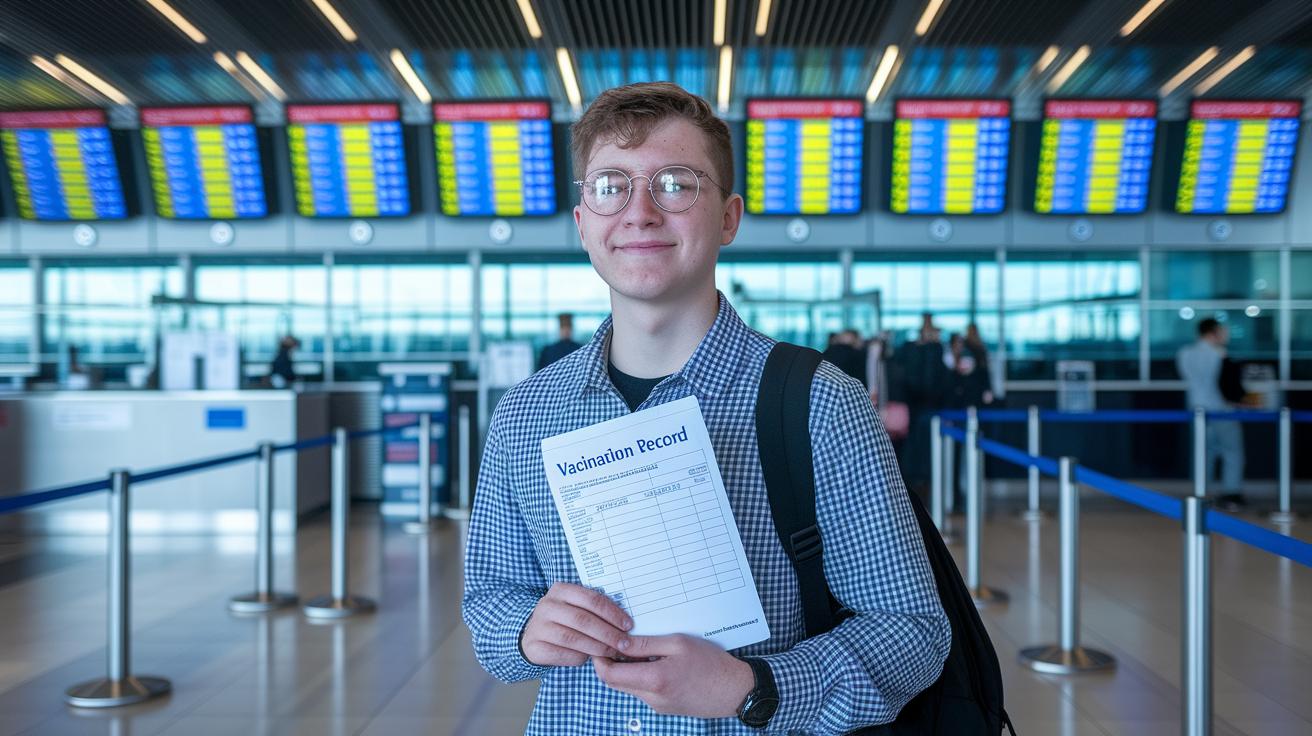
Before you embark on your Panamanian adventure, it's a smart move to brush up on local health tips. Many travelers choose to get shots for Hepatitis A and Typhoid, kind of like packing a little extra care in your travel bag. If you're coming from a region where yellow fever is common, be sure to have your certificate handy, it works just like your VIP pass at the border. You might still be asked for a COVID test or vaccine proof at entry, and hospitals often require masks. Drinking clean water and picking safe spots for meals is like having a trusty travel checklist that keeps your tummy happy.
If you ever find yourself in a sticky situation, remember that dialing 911 connects you with both police and medical help, your lifeline when you're out exploring. It’s a good idea to jot down contact details for local hospitals and have the emergency hotline for your accommodation on hand. And hey, if you need a call to your embassy or consulate, keeping their numbers close by can really ease your mind. Plus, having travel insurance is like adding an extra layer of protection, covering medical expenses and any unexpected changes, so you’re free to soak up all the exciting experiences Panama has to offer.
Regional Security Alerts and Risk Assessment in Panama
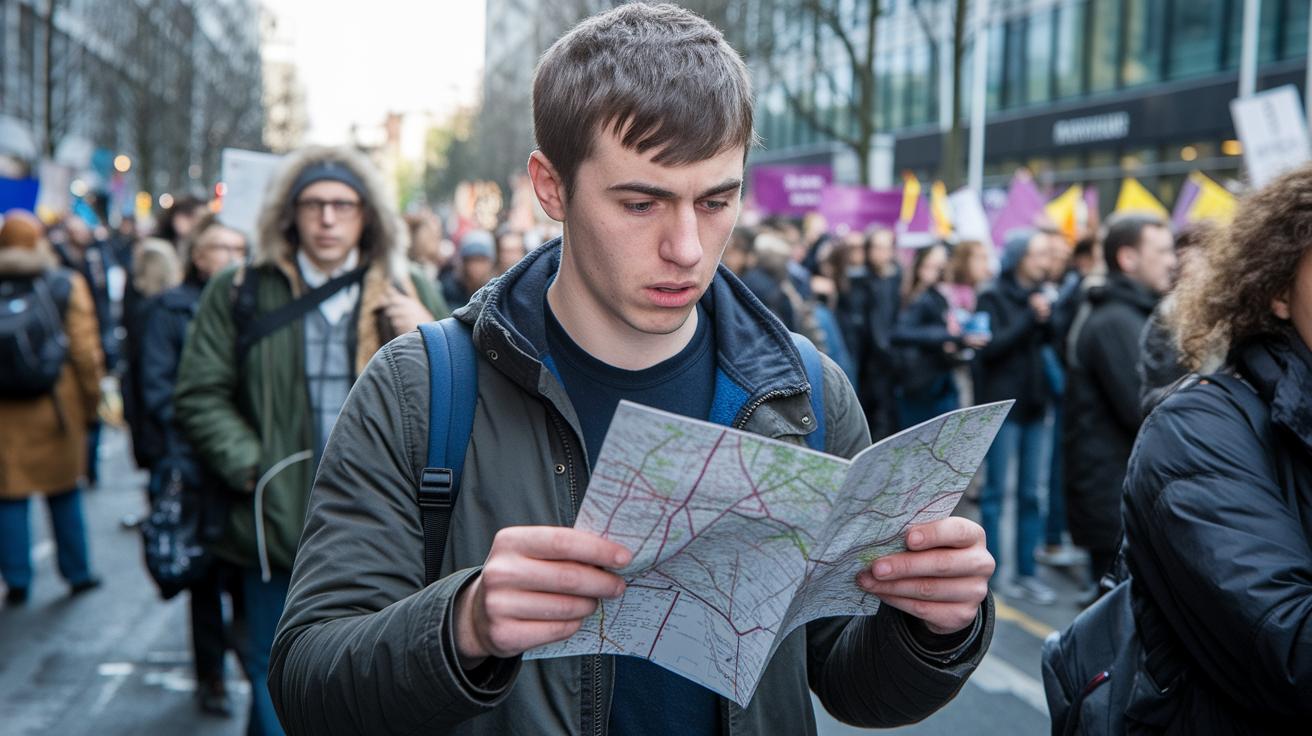
Panama’s safety scene has been changing lately, and both locals and visitors need to stay on their toes. Official numbers say the homicide rate is around X per 100,000 people, and reports hint that crimes aimed at tourists have been on the rise. Think of it like checking your map before wandering into a new neighborhood, you gotta stay updated to keep safe.
In Panama City, things have been a bit unpredictable. Recent protests in the city’s financial area turned busy sidewalks into impromptu gathering spots, leaving even well-known streets feeling a bit chaotic. If you’re exploring the city, it might help to tune in to local news and think about switching up your route.
Over in Colón province, there have been more reports of robberies targeting tourists. It seems thieves are eyeing visitors in popular areas, so it’s smart to keep your valuables tucked away and stay aware of what’s happening around you whenever you’re out and about.
Meanwhile, on the Caribbean coast and in other rural spots, locals advise against traveling alone after sunset. In these remote areas, help might take longer to arrive, so it’s better to stick with a group and follow local advice to lower any risks.
All in all, keeping a flexible plan and checking in on official alerts can help you enjoy all the beauty of Panama while staying safe.
Digital Entry Procedures and Border Control Guidelines for Panama
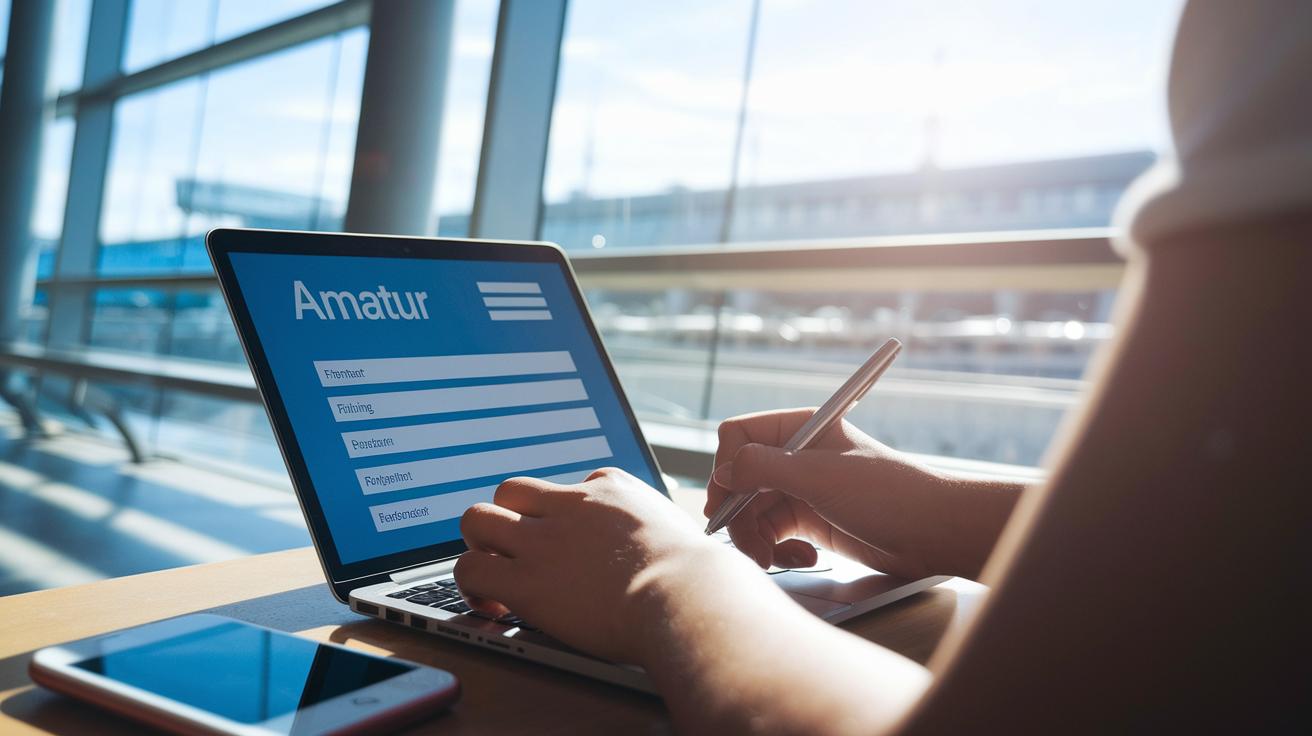
Before you set foot in Panama, be sure to fill out the Digital Migration Card at least 24 hours before landing. It’s a simple online step via Panama’s e-gates portal where you enter your personal details, travel plans, and passport info. Think of it like online check-in before your flight, it really helps smooth out your entry process.
At Tocumen International Airport and other busy hubs, you'll encounter quick biometric scans. A speedy fingerprint and facial recognition check verifies your identity in just seconds. Keep your documents handy, follow the staff’s directions, and you’ll be on your way with minimal fuss.
If you’re arriving by land, expect a few routine checks too. Officials will inspect your baggage and do a brief temperature screening to make sure you’re all set. Having your travel documents organized and following all instructions can really help you breeze through the border with ease.
Consular Support and Traveler Assistance in Panama
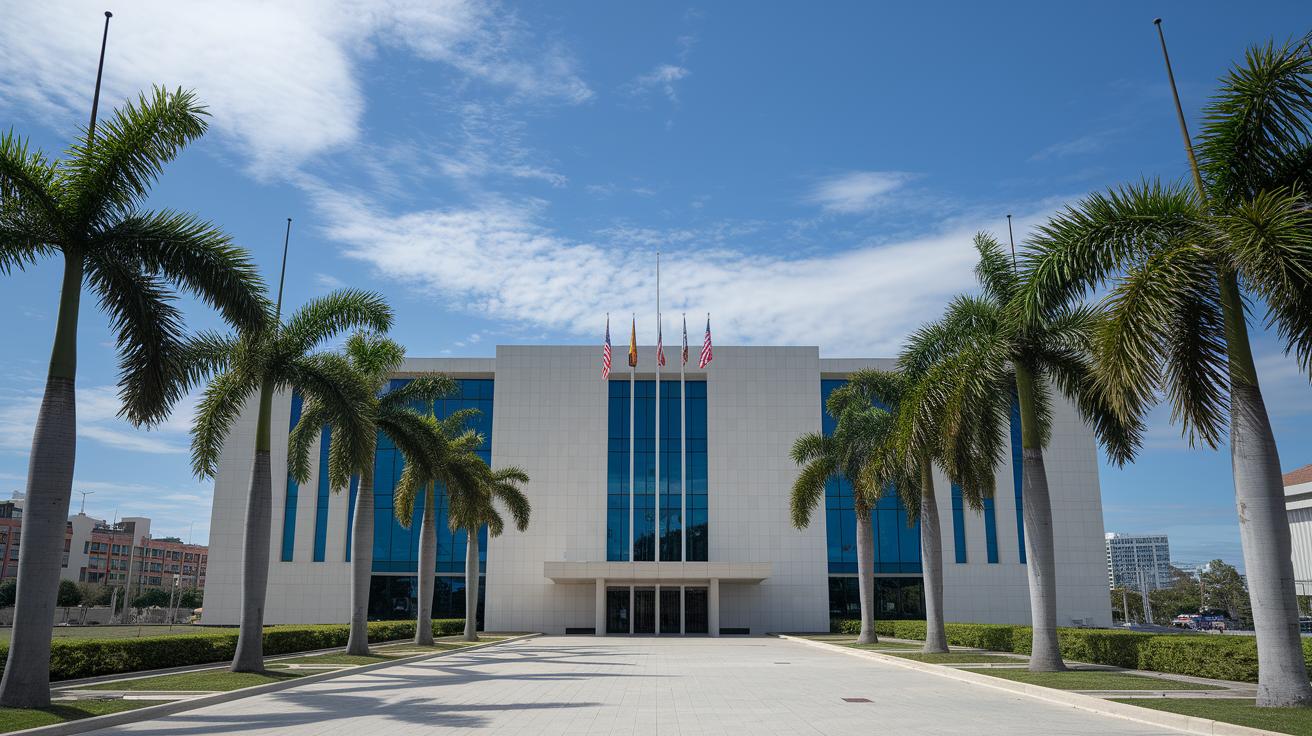
The U.S. Embassy in Panama is right on Avenida Principal in Paitilla. It’s open Monday to Friday from 8 a.m. to 5 p.m., and if something urgent comes up after hours, they have a special emergency line ready for you. In Panama City, you'll also see the Canadian and UK consulates, both list their addresses clearly and welcome walk-in visitors. I like to think of these offices as friendly pit stops that help you get back on track when travel throws a curveball. I still remember a time when clear instructions from a consulate office helped me sort out a travel hiccup in no time.
When unexpected situations arise, these consular services have your back with help like passport replacements, legal aid recommendations, and even assistance with medical evacuations. It’s a good idea to get familiar with these resources before you head out, much like keeping an emergency kit in your backpack, you know it’s there when times get tough. Having all these contacts and a clear idea of what’s available can make you feel safe and ready to enjoy every twist and turn of your Panama adventure.
Final Words
In the action of our discussion, we covered the essentials for planning a trip to Panama. We looked at entry rules, safety tips, health guidelines, and consular services – all clear pointers for a smooth visit. Our quick rundown, including the latest panama travel advisory, gives you a handy guide for setting up a secure trip.
Keep this info close as you prepare your plans. Stay updated and step into your Panama trip with confidence and a smile.
FAQ
Is Panama safe for a family vacation?
Panama is safe for a family vacation when visitors stay alert, follow local advice, and review updated travel alerts to avoid areas with higher crime rates.
What are the travel requirements to enter Panama for U.S. citizens?
Panama travel requirements for U.S. citizens call for a passport valid for six months beyond departure, a return or onward ticket, and proof of sufficient funds.
Can U.S. citizens travel to Panama right now?
U.S. citizens can travel to Panama now, but it’s best to check the latest official travel advisories and local updates before departure to plan accordingly.
What is the latest State Department travel advisory for Panama?
The U.S. State Department advisory for Panama recommends increased caution due to risks like petty theft and civil unrest, so travelers should stay informed through official channels.
Where can I find official Panama immigration information?
Official Panama immigration details are posted on the Panamanian government website, which offers the latest updates on entry rules and visa regulations for travelers.
What countries are on high alert for travel?
Panama isn’t broadly classified as high risk on global travel lists, yet some areas may have added warnings; travelers should consult current advisories for the most accurate information.
How does safety in Panama compare with Costa Rica?
Safety levels in Panama and Costa Rica vary by region; both have safe areas and hot spots. Checking recent travel reports can provide the best guidance for your plans.