
Have you ever thought that your documents might be your golden ticket to an easy entry? Even a small slip-up, like an expired ID or missing health proof, can leave you stuck waiting at the border. Getting your travel papers sorted out ahead of time means fewer delays and less stress when you're ready to set off on your adventure.
This simple guide walks you through every step so you know exactly what to do. Picture yourself breezing through the process, feeling relaxed and confident as you pack up your essentials. Ready to check off those boxes and hit the road?
Comprehensive Travel Requirements Guide
Before you head out on your adventure, there are a few must-dos that help keep everything smooth. These simple steps prove who you are, show that you’re allowed to travel, and make sure you’re in line with health rules. Follow them and you’ll avoid any annoying delays at your destination.
Your ID is your most important travel buddy. Bring along a valid passport, driver’s license, or any government-issued photo ID. And, don’t forget to check that your passport has at least six more months of validity, this little extra time saves you from unexpected border hiccups.
It’s not just about the ID, either. You’ll also need other travel documents like visas, electronic permits (that friendly online approval), and printed booking confirmations. Keep a digital copy on your phone and a paper version in your bag, imagine it like having an extra battery for your phone when you need it most.
Staying healthy while traveling is a big deal too. Many places ask for proof of vaccinations or a recent negative test result. If your destination requires a negative PCR test, make sure the test date fits the local rules. This step not only keeps you safe but also helps protect travelers around the world.
Lastly, take a moment to secure your documents. A sealed, tamper-resistant envelope or a reliable digital backup can really come in handy during busy security checks. A little extra care here means fewer worries on your journey.
International Travel Requirements: Visas & Electronic Authorizations
Visa Application Process
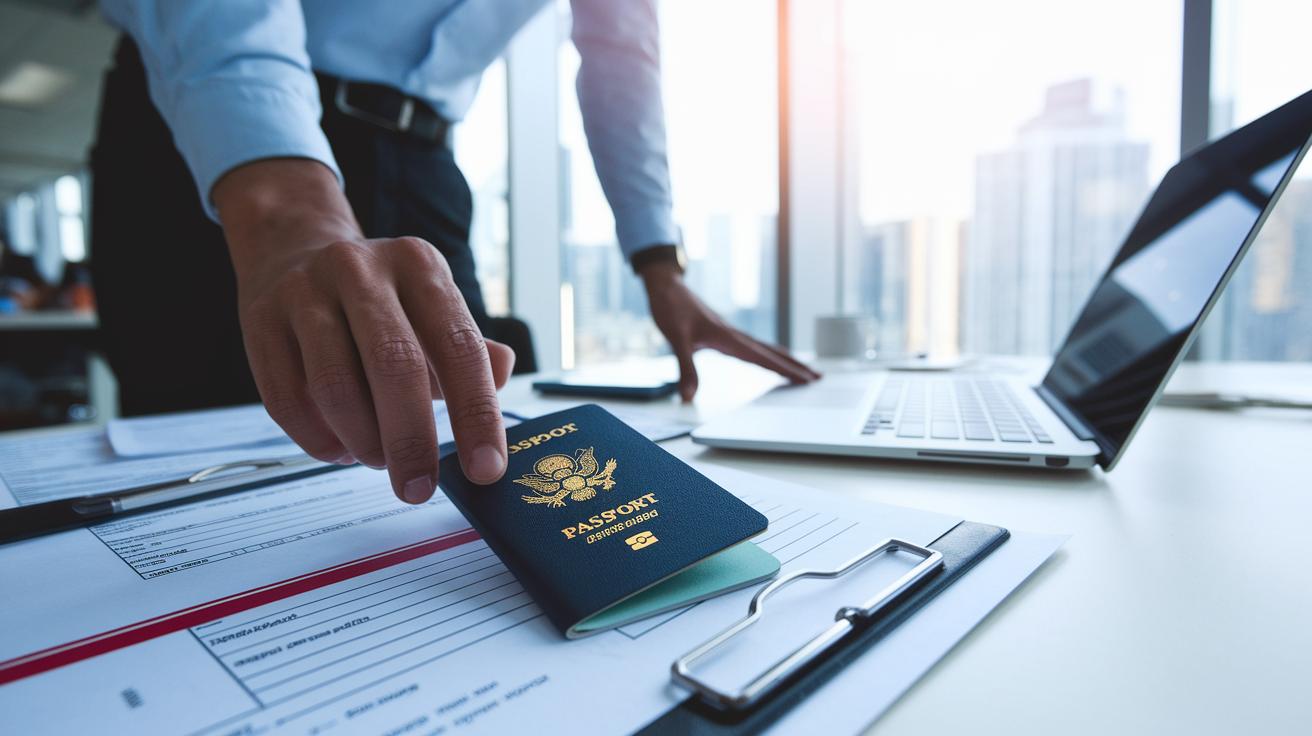
Begin your visa journey by filling out the online forms with care. Make sure your passport and other travel documents meet all the required standards. You’ll likely need a passport-style photo (2×2 inches) along with supporting pieces like bank statements, invitation letters, or hotel reservations. Think of it like packing your travel bag, each item has its special role in making the process run smoothly. Before you start, it might help to arrange your documents as if you are gearing up for a big adventure!
Next, follow the fee payment steps exactly. Depending on whether you need a tourist, business, or transit visa, expect to pay anywhere from USD 30 to USD 160. Then, you might be asked for an interview, which is much like chatting with a friend about your travel plans. Practice answering a few questions about your stay so that you feel ready. Once everything is approved, your visa will be sent to you either by mail or through return shipping. Keeping track of every step helps make the experience less stressful and boosts your confidence.
ETA vs eVisa Overview
Nowadays, many countries give you the option to get an electronic travel authorization (ETA) or an eVisa, which makes the whole process much smoother. With an ETA, you apply online and often get a decision in just a few days, so you don’t have to wait long to plan your trip.
On the flip side, an eVisa usually offers a longer stay period and might even allow multiple entries. This means you’ll know well in advance that your travel permission is secure for a set time. Whichever option you choose, make sure to review the visa waiver guidelines carefully. Compare the details, like processing times, the online portal used, and how long the visa is valid, to decide which one fits your travel plans the best.
Health & COVID-19 Travel Requirements
When you're getting ready for a trip, don’t forget that staying on top of health requirements is just as important as packing your suitcase. Make sure your vaccine card shows the approved shots, you know, the ones most places accept. That way, you’ll have a clear record proving you’re protected.
Many spots now ask for a negative PCR or antigen test taken 24 to 72 hours before you leave. Think of it like a quick pit stop to check that everything’s in order. I once had to get my test 48 hours ahead, and the process was simple and smooth. Some destinations even take a recovery certificate, which can show proof that you beat the virus in the past 60 to 180 days.
Don’t forget the digital or paper health declaration forms either. Filling these out in advance can save you extra time at check-in, just like confirming your boarding pass while enjoying the buzz of a busy terminal.
Also, keep in mind that some regions might have quarantine rules based on local COVID travel policies. A few spots may require a short isolation when you arrive, while others will simply check your health status. Knowing these ahead of time might even mean packing a few extra comforts for a quiet day in your hotel.
Stay on top of these health checks and vaccination proofs, and your journey will feel smoother and more reassuring every step of your adventure.
Airport Security & TSA Travel Requirements

Getting ready for a flight is like prepping for a mini adventure, and knowing the TSA rules can really help you breeze through the security line. When you step up to the checkpoint, you'll see a mix of ID checks, quick scans, and a friendly flurry of activity, all designed to keep us safe. Whether you’re showing off your Real ID or passport, knowing what each accepted document looks like, like those extra markings on a Real ID that might help you with PreCheck, can really speed things up.
At the security line, your carry-ons get sorted into bins and your personal items pass through a scanner. If you’re lucky enough to have PreCheck, you might even keep your shoes and belt on while enjoying a shorter wait. It’s like having a special pass on a busy travel day, making the whole process feel a bit more relaxed.
It’s a good idea to double-check that your ID is current and TSA-approved well before your trip because losing or having expired ID can lead to extra screening. And remember, the TSA liquids rule is strict: every liquid, gel, or aerosol in your carry-on must be in a container no larger than 3.4 oz (100 mL), and all these must fit into one quart-sized bag. Miss one of these little details, and you might have to leave behind that favorite cologne.
| Item Category | Allowance | Examples |
|---|---|---|
| Liquids & Gels | Up to 3.4 oz (100 mL) per container | Shampoo, toothpaste |
| Electronics | Must be in your carry-on, taken out at the checkpoint | Laptops, tablets |
| Sharp Objects | Not allowed | Knives, scissors |
| Medications | Allowed if declared | Prescription meds |
Staying on top of TSA guidelines and checking your ID ahead of time can turn a potentially stressful moment into a smooth, confident experience. With a little prep and some organized luggage, you’ll move through security like a pro, ready to dive into your next travel adventure.
Domestic Travel Identification & Requirements
If you're flying within the U.S., you'll need a government-issued photo ID to breeze through security. That means having a Real ID driver’s license, a current U.S. passport, a state-issued ID, or a military ID. Before the Real ID deadline passes, be sure your driver’s license meets the new standards, it’s like having a fast-track pass at the airport.
Before you head out, double-check that your ID is up-to-date and follows federal rules. For example, if you’re using your passport as your main ID, make sure it hasn’t expired and that your details match your travel plans perfectly. State IDs also need to show the proper Real ID markings, and military IDs are a reliable option since they follow strict guidelines. Keep your IDs safe and consider storing a digital copy on your phone, just in case. Getting your documents in order means smoother security checks and less stress, so you can focus on the fun parts of your journey.
Processing Times & Renewal for Travel Documents

When you're gearing up for a trip, keep in mind that a new passport usually takes about 6 to 8 weeks when you go with the regular service. If you're in a hurry, expedited options can get you ready in just 2 or 3 weeks. Picture this: you realize your passport is close to expiring right before a big trip, and having it renewed early feels like a huge weight off your shoulders.
Visa renewals jam along similar timelines, so it's a good idea to check the specific processing times of each country. And hey, don't skip on the passport photo rules, a perfect 2×2 inch photo can really help avoid any unexpected delays. Remember, if you're chasing a tight schedule, expedited services cost a bit more, so plan your budget with that in mind.
Also, make sure every detail in your new application matches your supporting documents. It's kind of like charging your phone before a long day out, small details now mean smooth travels later. A quick double-check can keep you free from those last-minute bumps on your adventure.
Travel Requirements Checklist for Departure
Before you set off to the airport, take a moment to make sure you have all your important documents and approvals sorted out. Doing this ahead of time saves you from last-minute dashes to the service desk or unexpected delays at security. Here's an easy, step-by-step list to help you get ready:
- Valid passport (with at least 6 months left before it expires)
- Needed visa or a printed ETA (a simple travel document that lets you enter some countries)
- Government-issued photo ID (like a Real ID for domestic flights)
- COVID-19 vaccination certificate (original or digital version)
- Any required negative test results
- Completed health declaration forms
- Travel insurance details
- Printed itinerary and booking confirmations
- List of emergency contact numbers
- Receipts for any visa or permit fees
- Some local currency or credit cards that are accepted there
- Confirmation of your checked baggage allowance
Take a minute to go through each item on this list. Think of it like double-checking your packing list; the extra time you spend now will make your airport experience smoother. Once everything is in order, you'll feel more relaxed and ready to dive into your adventure. And before you head out, give your bag another look to be sure nothing has been forgotten. With this final check completed, you're all set to focus on the exciting journey ahead, exploring new places, tasting local flavors, and making unforgettable memories.
Common FAQs on Travel Requirements

Your passport is one of your closest travel companions. If it’s showing signs of wearing out, now’s the time to plan a quick renewal. Some offices even offer emergency renewals, but a little foresight now can save you a lot of stress at the airport later.
Some countries ask for an extra transit stamp even when you’re just catching a connecting flight. If you stay within the secure area, you might skip this step. So, check transit visa rules ahead of time, this way you'll dodge any unexpected stops on your journey.
Traveling with kids comes with its own set of guidelines. Often, you’ll need a signed letter from the parent or guardian who isn’t coming along. This simple precaution helps keep everything above board for your adventure.
If your visa lets you enter multiple times, be sure to peek at the valid dates carefully. Some visas need an extra extension if you plan to return after a long break, and keeping tabs on the dates can help you avoid hiccups at border control.
Losing your documents when you’re abroad is no fun. But there’s a silver lining: embassies are there to help. Report a lost passport right away and follow their instructions, that way, you can secure emergency travel documents and keep your trip on track.
A lot of travelers now ask if digital travel documents are enough. Some countries and airlines are cool with an electronic version, though others still want a printed copy. It’s a smart move to check with your departure point so you’re prepared either way.
Since COVID-19 guidelines keep shifting, staying updated is key. You might need a fresh test or proof of vaccination just a few weeks before your trip. Taking a moment to check the latest travel restrictions can help you avoid surprises at the border.
Many destinations require travel insurance. Not only does it cover emergencies, but it can also help with health-related costs while you’re out exploring. Make sure to review airline rules to confirm your insurance meets local requirements.
Final Words
In the action, this guide broke down the essential components of travel requirements, from passports and visas to health mandates and TSA rules. We covered international travel documents and domestic IDs, processing times, and a handy pre-departure checklist. Each section offered clear tips, easing the stress of planning. Stick with the steps, check every detail, and get set for an incredible trip. Your latest read helps make sure all travel requirements are met so you can explore with confidence and excitement.
FAQ
What are the travel requirements near California and Texas?
The travel requirements near California and Texas refer to local and state rules that may affect identification checks, health protocols, and entry guidelines. Always check current local resources before traveling.
What is a travel requirements checker?
A travel requirements checker gathers the latest rules including documentation, health measures, and any local mandates. It helps travelers quickly confirm what they need for a smooth trip.
What is the U.S. travel ban update today?
The U.S. travel ban update today means real-time changes to government restrictions, including entry limitations from specific regions, updated security policies, and new health or immigration measures.
What are domestic travel requirements?
Domestic travel requirements include valid government-issued photo IDs like a driver’s license or passport and following TSA security rules. These guidelines keep air travel safe and efficient within the country.
What do international travel restrictions and European travel requirements involve?
International travel restrictions, such as those in Europe, involve having valid passports, proper visas or electronic authorizations, and often proof of vaccinations or negative health test results based on each country’s guidelines.
What are the travel requirements for liquids?
Travel requirements for liquids mean carrying containers no larger than 3.4 oz (100 mL) in your carry-on. This rule helps maintain security during airport screenings.
What are the new travel requirements?
The new travel requirements include revised health measures, updated documentation rules, and improved security processes. Staying informed on these changes ensures you meet all necessary criteria before leaving.
What requirements and documents do I need for traveling to another country?
Traveling internationally usually needs a valid passport, the correct visa or electronic authorization, and sometimes health certifications like vaccination proof or testing results, along with any required supporting documents.