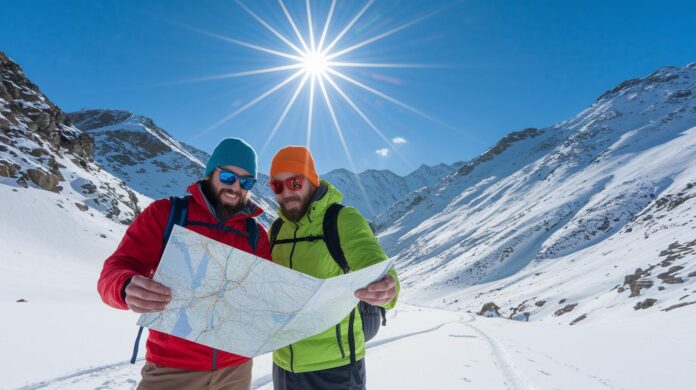
Ever feel like Alaska is too wild for a simple trip? It might seem a bit daunting with its unpredictable weather and far-off towns that need some extra planning.
But here’s the scoop: we’ve got some down-to-earth tips to help you deal with sudden storms, long drives along the coast (that’s a scenic route along the ocean, just so you know), and those extra costs that can sneak up on you.
Our goal is to make you feel ready and confident to explore Alaska’s many unique spots. Imagine feeling the crisp air as you discover hidden gems and making the most of every moment.
So, let’s dive in and turn your planning into a breeze.
Essential Alaska Travel Advice for First-Time Visitors
Alaska is huge and full of wonder. The state is spread out into different regions that each have their own charm. In Southcentral, you can explore lively spots like Anchorage and Homer. Over in the Southwest, Kodiak welcomes ocean lovers with its bustling fishing port. Then there is the Inside Passage, where quaint places like Juneau and Skagway invite you to slow down and enjoy the view. And don’t forget the vast Interior, where Fairbanks is the perfect place to watch the northern lights. It won’t take long before you notice that Alaska’s coastline is longer than that of any other state, and everyday costs like lodging, meals, and transport can run about 20 to 30 percent higher compared to the mainland.
The weather can change faster than you can say "adventure!" Whether you find yourself under the summer midnight sun with whales frolicking nearby or wrapped in winter’s sparkling northern lights, be prepared for all kinds of conditions. With such big distances and surprising shifts in climate, planning is as important as packing the right gear. Taking a little extra time to understand the local environment can help you pick the best base for your travels and keep those day trips or scenic tours running smoothly.
- Keep an eye on changing daylight hours so you can maximize every outdoor moment.
- Book your transportation well in advance, especially if you’re heading to areas that don’t see many visitors.
- Choose a regional hub, like Anchorage, to simplify your day trips.
- Set aside a bit more money for meals and unexpected costs because prices tend to be higher.
- Pack smart with warm layers, waterproof jackets, and sturdy boots to handle the elements.
- Check out seasonal event calendars so you never miss a must-see attraction.
- Allow extra time for getting from one remote spot to another.
Starting early with reservations and keeping your expectations realistic makes a big difference. A well-planned trip helps you handle Alaska’s unique expenses and vast distances, setting you up for a smooth and memorable adventure. Enjoy every moment of your journey in this spectacular state!
Packing Checklist for Icy Conditions in Alaska

When you're gearing up for Alaska, packing smart is your best friend. The weather can switch on a dime, mornings and evenings might feel cool in the low 40s, and even summer can surprise you with rain. In remote cabins and campsites, you might not have access to extra gear, so it's a great idea to bring everything that keeps you warm, dry, and safe. Whether you're off for a fishing trip, taking a scenic flight, or camping under Alaska's vast sky, having the right items makes all the difference.
- Thermal base layers to hold in your body heat.
- Mid-layer pieces like fleece jackets for extra warmth.
- A waterproof and windproof rain shell to fend off unexpected showers.
- Waterproof boots with a firm grip for icy trails.
- Insulated gloves that keep your hands cozy.
- A sturdy, insulated hat that covers your ears completely.
- Gaiters to guard your lower legs and boots from the elements.
- Bear spray to ensure safety in bear country.
- Insect repellent for those early summer adventures.
- An emergency bivvy in case you need a surprise overnight shelter.
Feel free to tailor this list using tips from other travel packing guides (https://jettlaggin.com?p=194) to match your own adventure. After all, whether you're landing on a fishing charter, soaring on a scenic flight, or exploring hidden campsites, a well-packed bag can be your trusty sidekick on the journey.
Seasonal Itinerary Blueprints to Make the Most of Alaska
When planning a getaway in Alaska, think about choosing a season that suits your mood and interests. You might be chasing the soft glow of the midnight sun in summer or marveling at the frosty magic of winter. Each season offers its own set of wonders and community celebrations, making every visit a unique adventure.
| Season | Key Attractions | Avg. Temps | Travel Tips |
|---|---|---|---|
| Summer | Bear viewing, midnight sun, whale watching, Alaska State Fair | 55°F – 70°F | Book tours early for popular events |
| Autumn | Fall foliage in Denali, off-peak rates, fewer bugs | 40°F – 55°F | Enjoy quiet trails and scenic drives in less crowded conditions |
| Winter | Aurora shows in Fairbanks, Iditarod dog sled race | 10°F – 30°F | Dress in layers and check weather forecasts for extreme cold |
| Early Summer | Low insect activity, gentle outdoor hikes | 50°F – 65°F | Embrace the milder weather for stress-free exploration |
Pick your travel dates based on what excites you the most. Maybe you’re drawn to watching wildlife roam in the lively summer sun, or perhaps you yearn for the serene beauty of the northern lights in a chilly winter sky. Let each season guide your planning, and you’ll soon find yourself on an unforgettable Alaskan adventure filled with wonder and discovery.
Wildlife Observation Strategies and Aurora Spotting in Alaska

When you're near Pack Creek by Juneau, you get the chance to see bears in their natural habitat as pink salmon make their annual run. It’s a treat watching these majestic animals carry on with their day against a backdrop of untouched wilderness. And then there's Admiralty Island, where clusters of bald eagle nests add a spark of excitement to your wildlife adventure.
Timing is everything. Down in the Interior near Fairbanks, the long, dark nights create a perfect stage for the northern lights to dance across the sky. If your trip lines up with a successful salmon run or seasonal migrations, you might also catch a glimpse of moose, caribou, sea otters, and even whales along Kenai Fjords. Let the shifting sky be your guide and keep an eye out for the subtle hints of clear weather.
Weather in Alaska can change in a heartbeat. Clear nights and calm conditions make it easy to fall in love with the scenery, but a bit of damp can sometimes hide the stars or slow down wildlife movement. It’s a good idea to be ready for a little unpredictability.
Here are some simple tips for a rewarding experience:
| Tip | Why It Helps |
|---|---|
| Bring a telephoto lens | It lets you capture every detail from a safe distance. |
| Watch geomagnetic forecasts | So you know when the northern lights will put on their best show. |
| Dress in warm layers | Staying warm ensures you enjoy every moment outdoors. |
| Stick to designated viewing areas | It keeps both you and the wildlife safe. |
| Plan during seasonal peaks | More animals mean more chances for unforgettable encounters. |
So, be respectful of the wildlife, stay open to changing plans, and let each moment in this wild wonderland surprise you. Enjoy the journey and let the adventure fill you with awe!
Cruise Planning and Ferry Services for Alaska Voyages
Exploring Alaska by water is like unfolding a new chapter of adventure. When you’re ready to set sail, think about two appealing options: a small-ship cruise or a ferry ride. Cruises take you right up to glowing tidewater glaciers and secret, remote ports you simply can’t visit by road. On these voyages, you might find a dining room that cozily accommodates around 54 guests and cabins offering either private or shared bathrooms, perfect for a more intimate travel experience.
Ferries, on the other hand, let you enjoy a flexible schedule and mix sea travel with time on land. They’re a smart choice if you like the idea of changing your plans on the go. So, ask yourself: do you prefer the comfy, focused itinerary of a cruise or the no-frills, easygoing charm of a ferry?
Here are a few handy tips to help you plan your journey:
- Book early to secure the best rates and your favorite cabin style.
- Look for itineraries that combine sea cruises with overland tours for a richer adventure.
- Check out the dining options available, some ships serve up local specialties that add a delicious local twist.
- Make sure your vessel has safe spots to store any special gear you might bring.
- If you’re traveling with friends or family, see if group booking discounts apply.
- Watch out for early bird specials and last-minute deals by keeping an eye on booking windows.
Taking a bit of extra time with your reservations can really help keep costs low. And especially when traveling in a group, planning together might just lead to some welcome savings. Happy exploring!
Anchorage Exploration Secrets and Cultural Highlights in Alaska

Anchorage is a cool starting point for anyone looking to soak up local charm. Wander around beloved neighborhoods and stop by the Alaska Native Heritage Center, you’ll find amazing insights into native art and history that feel almost like a secret shared between friends. Imagine strolling down streets dotted with local breweries and museums that bring past and present together, and you'll understand why every corner of this city invites exploration. Plus, day trips to places like Denali, Turnagain Arm, and Girdwood effortlessly combine a taste of city life with the wild beauty of nature.
Deep in the heart of Anchorage, you'll discover small eateries and local guides who love sharing stories that aren’t in any guidebook. Local art displays and lively market stalls let you feel the city’s creative pulse, almost as if the streets themselves were whispering hidden tales. And if you’re one of those curious urban explorers, visiting community centers where history mixes with modern vibes is a must, they make your visit feel truly authentic.
For something a little different, why not try an offbeat tour like a chocolate and wine pairing that also gives you a peek into local food traditions? It's a fun insider move that not only treats your taste buds but also supports the local businesses that make Anchorage so special.
Roadtrip Hacks and Remote Region Expedition Guidelines in Alaska
The Alaska Highway isn’t merely a road; it’s a journey through some truly stunning landscapes. Stretching 1,400 miles from Dawson Creek to Delta Junction, this route calls for careful planning and a spirit of adventure. Think about exploring fun alternative routes and scenic byways, and always double-check local guides and the latest road reports. When you take a little extra time to plan, you set yourself up for an unforgettable Arctic adventure.
Staying safe on these remote roads is key. Get your vehicle ready by mapping out your fuel stops ahead of time and packing a couple of spare jerry cans. Bring extra food and water because help can be few and far between. And keep an eye on the weather, it can change in a blink and catch you by surprise on these long stretches. Remember, these isolated roads require you to stay alert and be prepared for any unexpected turns.
Before you head out, make sure you’ve got all the necessary permits and know the local rules. If you’re planning to wander into the wild backcountry, file in a travel plan and check local bear guidelines to keep safe. Taking these steps not only protects you but also helps preserve the natural beauty around you. With solid preparation, every mile of your Alaskan expedition becomes a chance to truly enjoy the journey.
Planning Travel Itineraries and Booking Lodging Shortcuts in Alaska

Getting ready for an Alaskan adventure is like piecing together a memorable puzzle. Each bit, whether it’s a daily plan or a hotel reservation, is crucial to making your trip both smooth and exciting. For more details on building your itinerary, check out planning travel itineraries.
One fun tip is to explore different regions first. Decide if you’re drawn to wildlife sightings, breathtaking scenic drives, or local cultural sites. Then, jot down a simple daily schedule that blends sightseeing, travel time, and moments for a little break so you don’t end up rushing.
It’s best to lock in your lodging early. Compare your options, campgrounds, cabins, hotels, or resorts, to find that perfect mix of comfort and cost. And while you’re at it, make sure to get any permits or licenses needed for activities like fishing, guided tours, or backcountry camping way ahead of time.
Before you set off, double-check all your confirmations and booking details. Keep in mind some campsites need reservations anywhere from 6 to 12 months in advance during peak seasons.
Finally, leave some space in your schedule for unexpected weather or surprise wildlife encounters. That way, if Mother Nature has another plan, you can easily adjust and keep enjoying every thrilling moment in Alaska.
Safety Instructions, Wildlife Guidelines, and Leave No Trace Practices in Alaska
When you're gearing up for an Alaskan adventure, planning ahead is your best friend. The wild terrain here is breathtaking, so it's important to give big animals like bears, moose, and wolves plenty of space. Using bear-proof food containers is a smart way to keep both you and the wildlife safe. And don't forget to check local weather reports, Alaska is famous for sudden storms and chilly temperatures.
Before you hit the trail, make sure you’ve got all your travel must-haves. Think of it like packing for a fun road trip: emergency contacts, detailed route maps, and a first-aid kit are your travel buddies on this journey. These little steps not only keep you safe but also let you soak in the stunning nature while leaving minimal marks on the environment.
- Keep a respectful distance from wild animals to steer clear of any trouble.
- Use bear-proof food containers to reduce the chance of surprising an animal.
- Check weather updates often so you can adjust your plans on the fly.
- Dress in layers to stay warm in those sub-freezing conditions.
- Always pack out your trash to keep the trails and campsites pristine.
- Carry essential items like emergency contacts, maps, and your first-aid kit in case plans change unexpectedly.
Final Words
In the action, we explored Alaska’s many sides, practical packing lists for icy conditions, seasonal itineraries to catch northern lights and whale sightings, and smart ways to handle wildlife encounters. We also covered cruise tips, urban experiences in Anchorage, and roadtrip hacks for remote regions. Each segment offers clear, hands-on advice for weather, logistics, and planning. Use these travel tips for Alaska to plan smart, unforgettable trips and keep the excitement high. Happy exploring out there!
FAQ
What are some travel tips from Alaska Reddit threads?
Alaska Reddit tips share hands-on advice like smart packing, booking local tours early, and preparing for wild weather. They offer real-life, traveler-tested hacks to make your trip smoother.
What is the best way to visit Alaska for first-timers?
Visiting Alaska for the first time means choosing a regional hub, planning activities around daylight hours, and booking transport well in advance. This approach helps you experience more with less hassle.
Is there an Alaska travel guide book or PDF available?
Alaska travel guide books and PDFs provide detailed insights on regions, must-see spots, and practical tips. They serve as handy, accessible resources for planning your trip.
When is the best time or month to visit Alaska?
The best time to visit Alaska is when you can enjoy its unique offerings: summer for whale watching and long daylight hours, or autumn for fewer bugs and scenic views.
Do I need a passport to travel to Alaska by cruise, car, or via Canada?
Traveling to Alaska by cruise or by car generally does not require a passport if you’re staying within U.S. borders, but crossing into Canada will need proper travel documentation.
How many days are enough for an Alaska trip?
An Alaska trip should last at least 7 to 10 days. This duration gives you time to adjust to long distances and enjoy landmarks without feeling rushed.
What do I need for my trip to Alaska?
For an Alaska trip, bring layered clothing, waterproof gear, hiking boots, a good plan for long distances, emergency supplies, and research on local weather to stay safe.