
Ever thought a simple piece of paper could be the secret hero of your travel adventure? Your passport and visa may look unassuming, but they quietly prove who you are and let you cross into new lands. Even a tiny mistake might slow you down at the airport or mess up your entire itinerary.
Let’s have a friendly chat about making sure you’ve got everything in order. In this guide, I’ll walk you through the must-have documents for your journey and share some easy tips to keep your travel plans running as smoothly as a well-planned stroll through a bustling market. Ready to set off with less hassle and more excitement? Let’s dive in!
Essential Travel Documents for International Travel
When you're setting off on an international adventure, your travel documents are like your trusty sidekicks. These are government-issued papers that prove who you are and grant you permission to cross borders. Think of them as your personal travel pass, ensuring that the friendly border officials know it's really you knocking on their door.
- Passport (biometric or non-biometric)
- Visa (for tourism, business, or student purposes)
- National ID card (useful for travel within certain regions)
- Re-entry permit or advance parole
- Health or vaccination certificate (if required by your destination)
Many countries have a rule that your passport must be valid for at least six months beyond your planned trip, sort of like making sure your favorite travel companion is in good shape for the journey ahead. If your passport’s expiry date is getting close, it's smart to renew it well before your departure date. And while you're at it, take a moment to double-check all the details, your name, photo, and other info, to avoid any last-minute surprises at the airport. This extra step can help keep your trip smooth and stress-free, letting you focus on the excitement of new discoveries.
Types of Travel Documents and Their Functions
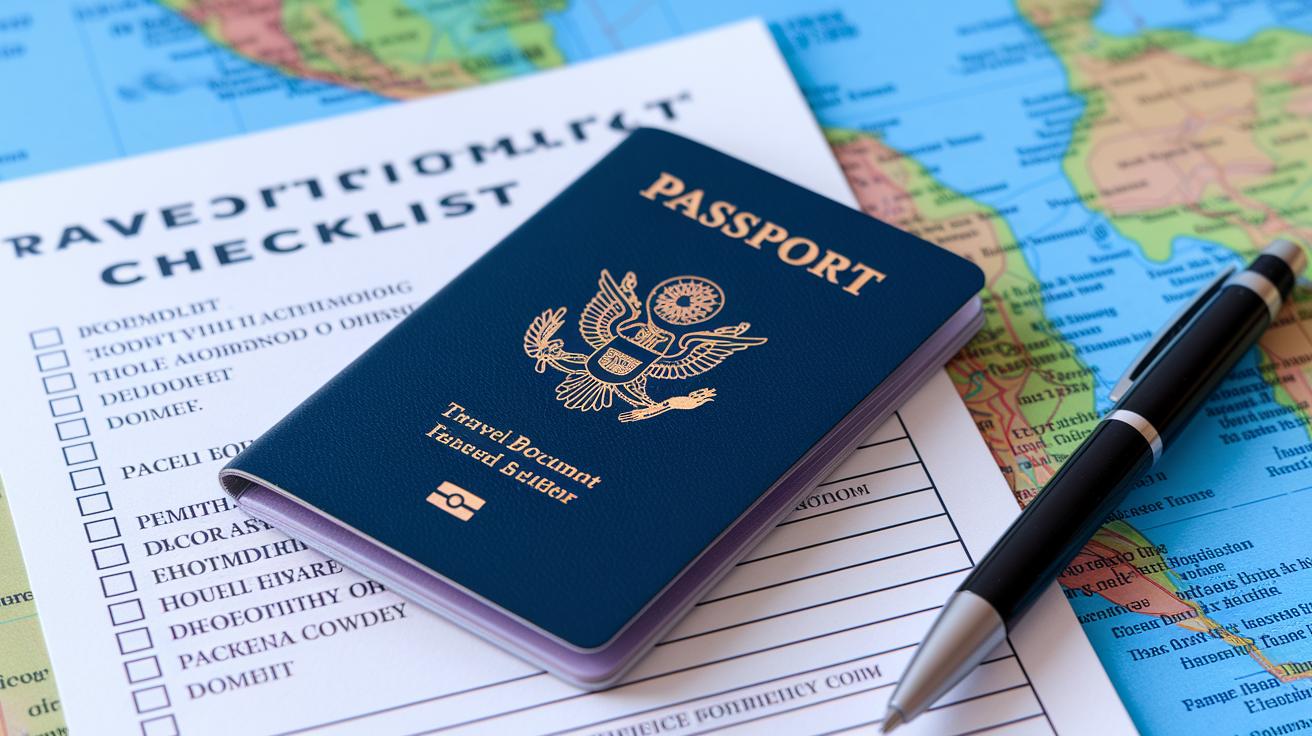
Passports are your ultimate travel buddy, think of them as your all-access ticket allowing you to cross international borders with ease. They’re official government cards that include your photo, signature, personal details, and sometimes even a tiny chip that acts like your digital fingerprint, keeping your travels safe and modern.
Visas come in different flavors depending on your adventure. Wanna explore on a holiday? A tourist visa might be just right, offering a shorter stay. Planning business meetings or looking to work abroad? There are business and work visas that often let you stay longer. And if you're heading off to study, a student visa not only covers your time in class but also lays out specific work rules, all sorted out by embassies or consulates.
Sometimes, you might need a special permit to fit your unique travel needs. Ever had a quick stop between your main destinations? A transit visa makes that brief pause a breeze. Or maybe you need something like a re-entry permit when you want to leave home for a bit and return smoothly. And in those urgent or unusual moments, humanitarian or refugee travel certificates ensure everyone has a safe path, even when life gets extra complicated.
Application Process for Travel Documents
Before you dive into your travel plans, make sure you have your government ID, a couple of recent passport photos, and something that clearly shows your citizenship or why you're traveling. Having these essentials ready helps everything run smoothly and saves you from any last-minute hiccups on your adventure.
Start by collecting all your supporting documents, like your ID, photos, and travel itinerary. Then, fill out the right form for your journey, DS-11 for a passport, DS-160 for a visa, or I-131 if you need advance parole. Next, pay the fees using a credit card or money order, and send in your application either online or by mail. Don't forget to schedule any necessary in-person meetings or biometric screenings that might come up. Finally, keep an eye on your application by checking the online portal or looking up your receipt number.
| Document Type | Form | Fee (USD) | Processing Time | Application Mode |
|---|---|---|---|---|
| Passport | DS-11/DS-82 | $130 | 6-8 weeks | Online/Paper |
| Tourist Visa | DS-160 | $160 | 2-4 weeks | Online |
| Re-entry Permit | I-131 | $575 | 3-5 months | Online/Paper |
Using online submission methods can really speed things up. You get instant updates on your status and sometimes even mobile notifications. This digital route cuts down on the paperwork, and if you need to fix something, resubmitting is easy. Knowing exactly where your application stands gives you peace of mind, leaving you free to focus on the thrilling parts of your journey ahead.
Eligibility Criteria and Legal Requirements for Travel Documents
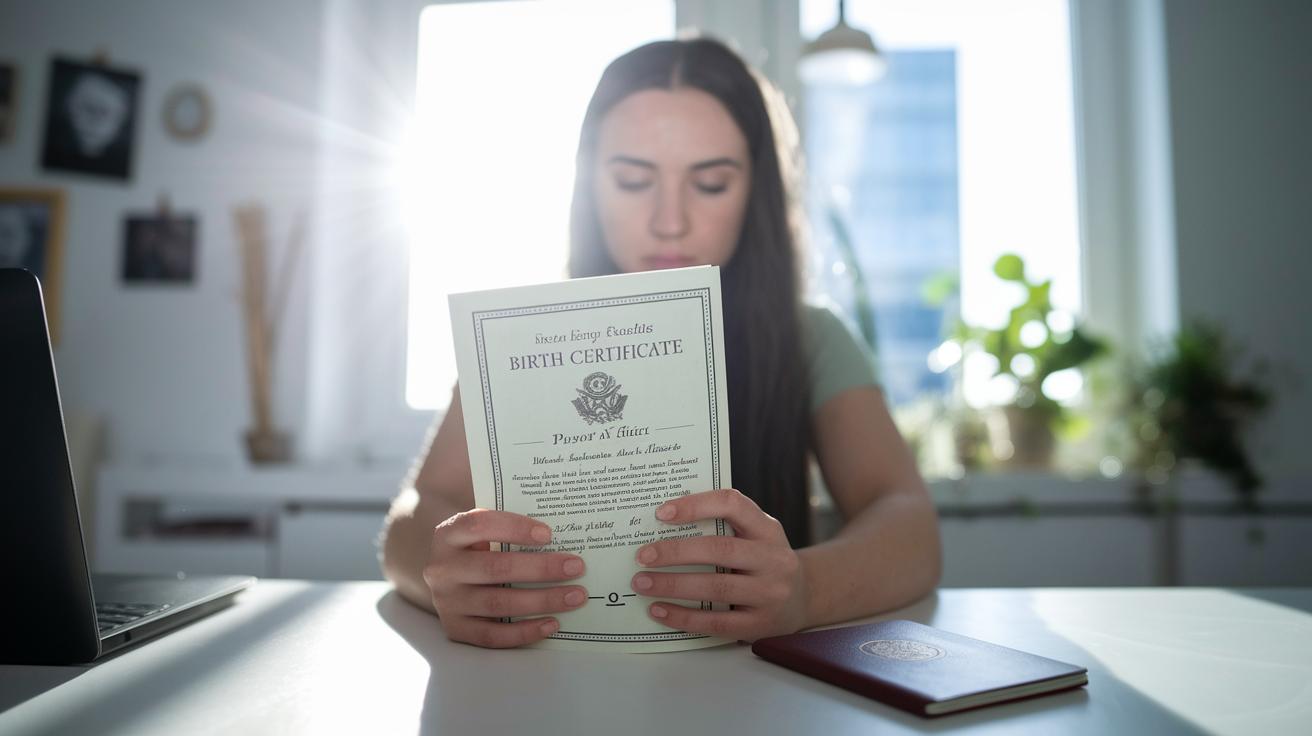
When you're planning your next adventure, getting your travel documents in order is a key first step. It all starts with proving who you are through your citizenship records, your age, and even a look at your past if needed. A birth certificate or naturalization record shows where you come from, and age rules make sure that young travelers have the right parental permission. Plus, a quick background check helps confirm that everything is on the up and up.
Passport Eligibility
To get a passport, you need solid proof of your citizenship, like a birth certificate or naturalization document. If you're under the legal adult age, you'll need a parent's go-ahead, so make sure that permission is in order. They also like to see an official record with a current, clearly taken photograph. This careful process helps make sure that passports end up in the right hands, keeping everything safe as you globe-trot.
Visa Eligibility
When it comes to visas, things can get even more detailed. Sometimes your nationality might even let you skip a visa, but if not, you need to clearly explain why you're traveling, whether it's for work, study, or just a well-deserved break. You’ll also have to show you have enough funds to support your stay, and sometimes you'll need extra checks related to security or health for peace of mind. All these guidelines, including matching the right photo size and biometric details, are here to keep our travels safe and enjoyable, ensuring everything meets international standards.
Best Practices for Preparing Your Travel Document Applications
Before sending in your travel documents, it’s a great idea to double-check that every detail is just right. Make sure your name and personal info exactly match what’s on your government-issued ID. I always scan and save PDFs of my paperwork so I can access them anytime. Use clear, high-quality photos that meet travel standards, and if necessary, have your documents notarized for extra trust. These careful steps help keep things in order and cut down on delays when you need your permits.
Plan ahead and submit your applications as early as you can to beat the deadlines. Sending your documents with a trackable mail service gives you proof of delivery, something like, “I always use a tracking number to ease my worries.” Don’t forget to set calendar reminders for renewals so you aren’t in a last-minute rush. And make sure you have secure digital backups of every application and supporting document. This simple method saves time and keeps your travel plans smooth and stress-free.
Renewal, Replacement, and Emergency Travel Document Procedures
Sometimes your travel documents need a little extra care, especially when they're about to expire or if they suddenly go missing. Forgetting to update or replace these important papers can slow down your adventure, so it's wise to take action early and keep your plans on track.
Renewal Procedures for Passports and Permits
These days, renewing your passport or permit can be as easy as clicking a few online buttons. Many offices let you fill out forms like DS-82 for passport renewals or I-131 for permit extensions right from your computer, saving you a trip to the office. Take a moment to check the current fee schedule, since costs can vary. Generally, processing takes about six to eight weeks, but if you're in a pinch, expedited services might be available. Following this process means your documents stay up-to-date and you're all set for your next journey.
Reporting Loss and Replacement
If your travel document is lost or stolen, reporting it right away is key. Start by filing Form DS-64 for a stolen passport, if that's the case for you. Many officials now offer faster appointment times to help get you back on your feet quickly. While you wait for your official replacement, you might even receive a temporary travel letter. Acting fast in these situations not only protects your identity but also keeps your travel plans moving smoothly.
Emergency and Same-Day Travel Authorizations
Sometimes you might need to travel on short notice, and certain offices do offer emergency travel authorizations that can be processed the same day. Usually, you'll need to show that you have a confirmed travel date and a real need to hurry. This often means setting up an appointment at your local embassy or USCIS office. With these expedited options, you could even secure a same-day passport or a provisional I-131 document, giving you peace of mind when time is tight.
Remember, keeping photocopies of your travel documents can be a real lifesaver when unexpected situations arise. And if you’re traveling abroad, registering with your embassy adds an extra layer of safety by ensuring you have timely support if any issues crop up.
Official Government Resources and Policy Updates for Travel Documents
When you’re gearing up for your next adventure, it helps to know where to find the best travel document advice. For example, check out travel.state.gov for all the passport and visa basics, and uscis.gov for more detailed info on I-131 forms and re-entry permits (that’s the paperwork you might need to get back home). If you’re curious about what a specific country requires, your local embassy or consulate website is a great place to start. These trusted websites lay out clear guidelines and help you dodge common document scams, so you’re always in the loop.
Another handy tip is to sign up for email alerts or RSS feeds from these official sites. This way, you’ll get the latest updates on travel rules and emergency notices as soon as they’re posted. Plus, many agencies offer advice on travel permissions, which means you can plan ahead without any last-minute hiccups. Staying on top of these updates not only makes planning easier but also keeps you confident and ready for every twist and turn of your journey.
Final Words
In the action of planning smart trips, we broke down the must-have travel documents you need for smooth border crossings. We covered official credentials, steps for online applications, and practical tips on renewing or replacing your paperwork. Each section aimed to make preparing your travel document less daunting and more manageable. Keep your documents current, save digital copies, and double-check expiration dates for peace of mind. Here’s to safe, hassle-free trips filled with memorable moments.
FAQ
Q: What qualifies as a travel document?
A: The answer clarifies that a travel document is any government-issued credential, such as a passport, re-entry permit, or refugee travel document, which verifies your identity and grants permission for international travel.
Q: How do I get a US travel document?
A: The answer explains that you obtain a US travel document by completing the appropriate form like the I-131, providing supporting evidence and fees, then submitting your application through USCIS and tracking its status online.
Q: How much does a US travel document cost?
A: The answer details that US travel document fees vary: a passport usually costs around $130, while permits like the I-131 might be up to $575, based on the document type and processing guidelines.
Q: What do I know about travel document processing time?
A: The answer notes that processing time depends on the type of document and application method, typically ranging from a few weeks to several months, with USCIS offering online status updates during the wait.
Q: What is a refugee travel document?
A: The answer describes a refugee travel document as a special permit for individuals granted refugee status, allowing international travel when a standard passport is not available, while meeting legal requirements.
Q: What travel document should a green card holder get?
A: The answer advises that green card holders may need a travel document like advance parole to reenter the US after traveling abroad, which helps maintain residency and meet specific legal guidelines.