Have you ever thought that traveling alone can be an exciting adventure yet still feel safe? Imagine having a little map that shows you secret spots and warns you about tricky areas. This guide is packed with real-life tips from fellow travelers, so you can explore with confidence.
We've broken down everything you need, like local customs, smart choices for safe accommodations, and clever ways to stay prepared. Think of it as packing your favorite snacks for a long journey: simple steps that make your trip more comfortable and fun.
So, why not set off on your next adventure with a bit of extra peace of mind? Enjoy the journey and discover the world on your own terms.
Solo Travel Safety Tips: Expert Essentials Answered
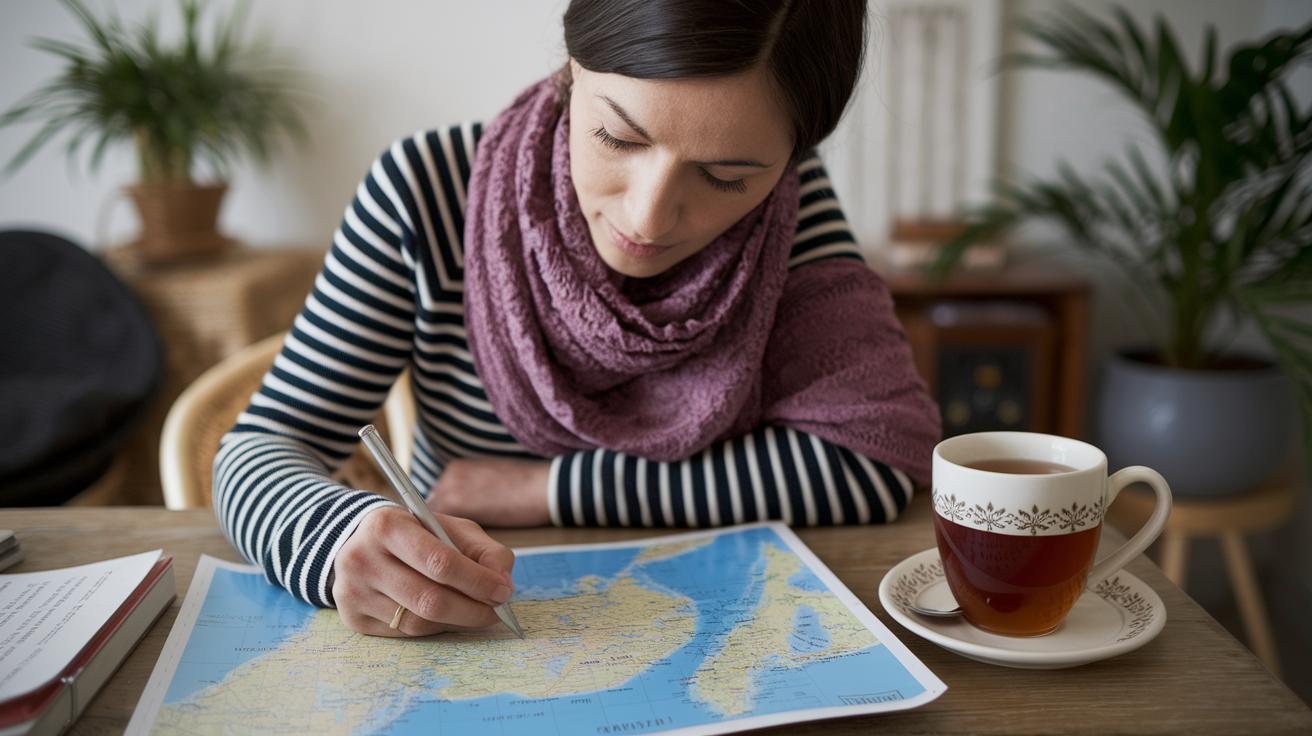
Expert safety advice can make your solo adventures feel both exciting and secure. When you’re setting off on your own, it helps to know about local scams, customs, and practical safety steps. A little homework on nearby hospitals, embassies, and airports is like carrying a mini-map that guides you when plans change unexpectedly.
Planning ahead doesn’t just protect you, it also makes your trip smoother. Imagine picking a cozy hotel room on a higher floor, sharing your travel plans with someone you trust, and knowing that you’ve set up a reliable network of backup. These easy steps create a safety net that lets you savor every moment of your adventure.
- Look up local scams and customs, and note where hospitals, embassies, and airports are located.
- When you book your stay, ask for a room on the second floor for easy emergency access.
- Keep a close contact in the loop by sharing hotel details, your itinerary, or even using a tracking app.
- Choose travel insurance that covers things like medical emergencies, adventurous sports, or even COVID-19.
- Carry only the cash you need, and consider using a card that offers travel benefits like delay coverage and cash back.
- Use pre-booked taxis or trusted ride apps, and wait indoors for your ride if possible.
- Consider taking self-defense lessons and pack a small personal safety alarm for extra peace of mind.
- Stay aware of your surroundings by keeping distractions at bay and not flaunting valuables.
- Check for natural hazards like hurricanes, volcanoes, or earthquakes in your destination.
- Above all, trust your instincts, if something feels off, it's okay to walk away.
Pre-Trip Solo Travel Safety Planning
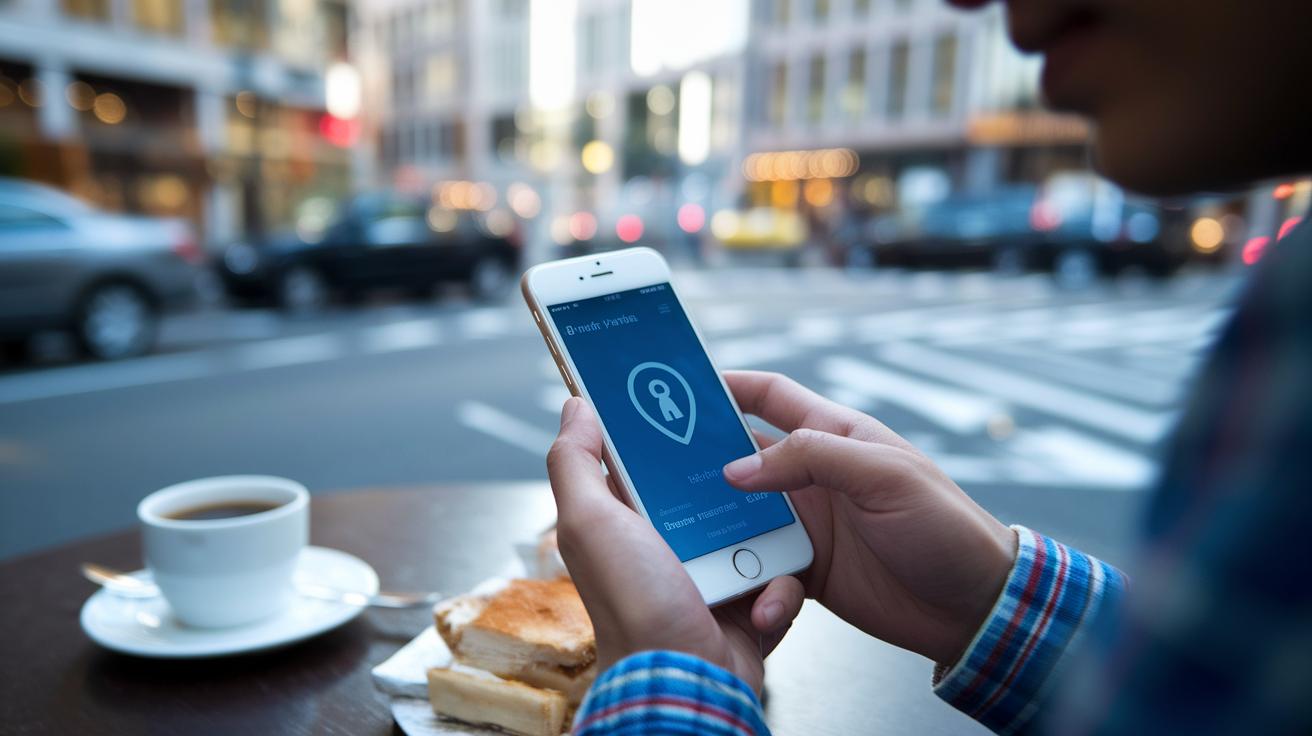
Before setting off on your adventure, it’s a great idea to upgrade your safety plan. With handy digital tools and stories from real travelers, you'll feel extra confident as you explore.
Destination Research
Check out mobile apps that offer safety alerts and local emergency numbers, they give you quick access to must-know info. One traveler even shared, “I used an app that showed me the closest English-speaking hospital in Rome when I really needed help.” It’s also smart to look into local scams, customs, and rules so you can avoid any unexpected bumps in the road. And don’t forget to sign up for programs like STEP (Smart Traveler Enrollment Program) for up-to-date alerts.
Itinerary Sharing
Let a trusted friend or family member know your travel plans, and consider safety tracking apps that share your location in real time. I remember one traveler saying, “My app sent check-in messages every few hours during my solo backpacking trip in Southeast Asia.” Leaving written details at your lodging and sending occasional voice updates can make sure someone always knows where you are.
Insurance Selection
Look over insurance policies that offer digital emergency support and quick claim processing. A traveler once mentioned, “Chatting with my mobile insurer helped me get medevac service during a minor mishap in Switzerland.” Finding coverage for things like medical evacuation, COVID-19, and extreme sports risks can add that extra layer of peace of mind while you're on the move.
Packing Strategies for Solo Travel Safety
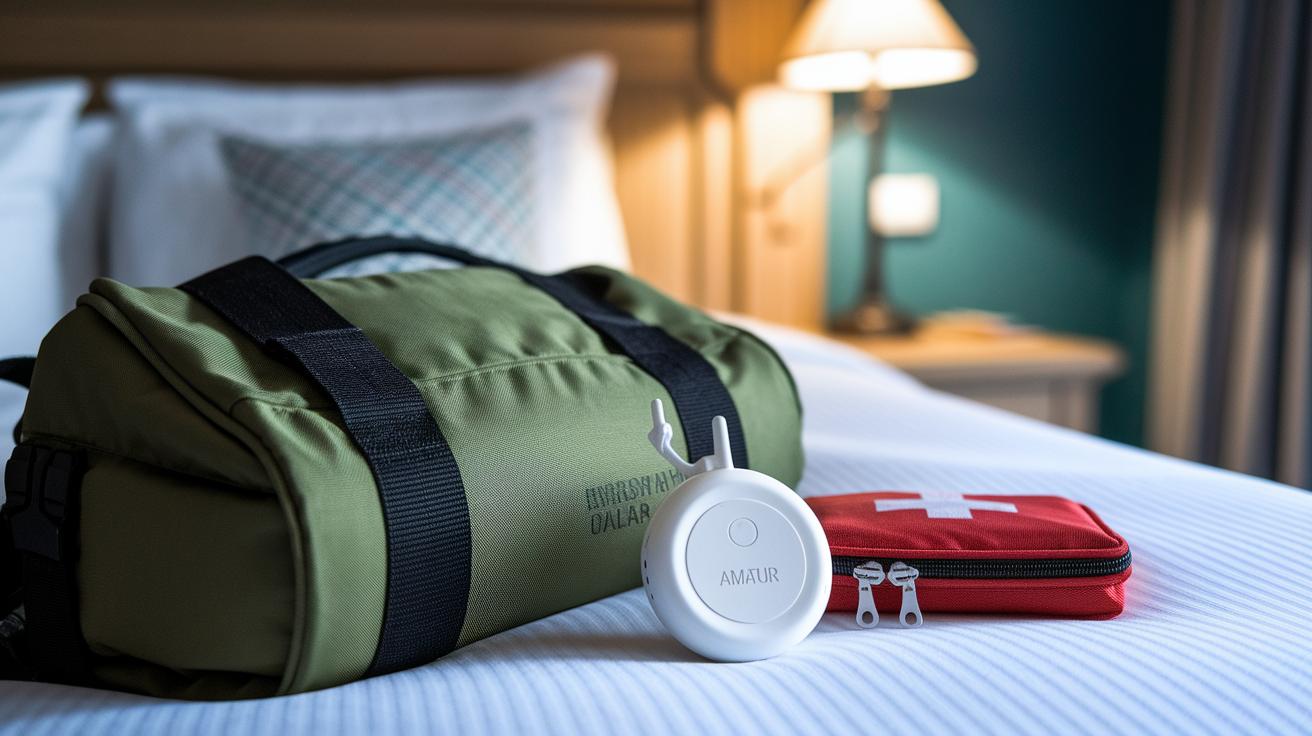
When you're setting off on a solo adventure, packing smart can really make a difference. Getting your must-have gear ready not only keeps you safe but also helps you have a chill, worry-free trip. Think of every item as a stepping stone on your journey, building a smooth and secure travel experience, just like checking off a list to make sure you have everything you need.
- A personal safety alarm (sometimes called a "birdie" alarm) paired with a small first-aid kit.
- Hidden cash pouches and a global credit card (like a Mastercard World Elite) to handle payments safely.
- Photocopies of your passport, ID, and a printed list of emergency contacts so you’re always prepared.
- A power bank, universal adapter, and offline maps to keep your devices powered and ready, even when you’re off the grid.
- Padlocks for lockers and a small multi-tool for those minor fixes while on the go.
- A compact travel lock and pepper spray (if it’s allowed in your destination) for extra protection.
- A tracking device or wearable locator to keep a digital eye on your safety (travel packing tips).
Keeping your gear organized is just as important as packing it. Tuck your safety items into a dedicated daypack or a special compartment in your luggage. This way, everything is right at your fingertips while you’re commuting or wandering off the beaten path. By keeping your everyday essentials easily within reach, you’re set to handle any surprise that comes your way on your solo journey.
Secure Accommodation Choices for Solo Travelers
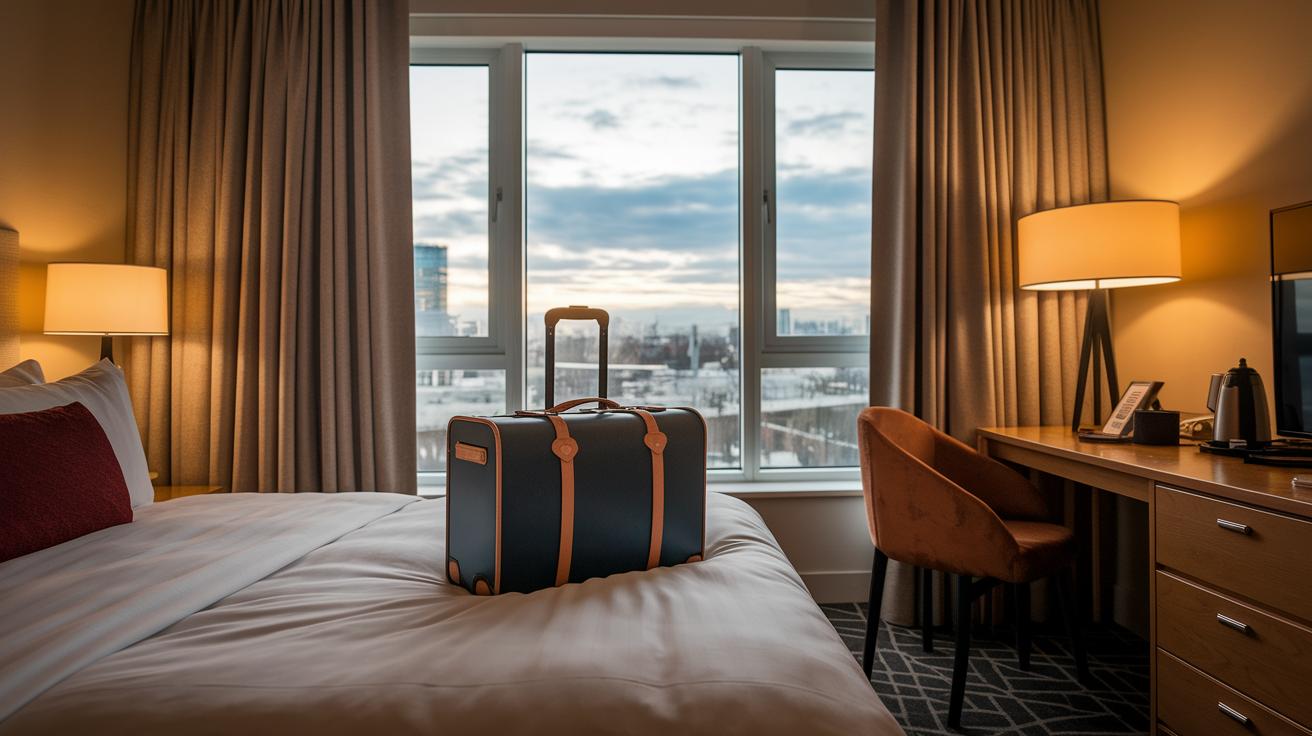
Planning ahead for your first night sets the stage for a worry-free adventure. Booking your room in advance at a trusted hotel or hostel gives you a safe home base and even a few local tips to help you settle in. It’s a simple way to feel secure while you explore a new place.
Accommodation Types
Hotels, hostels, and guesthouses all have their own perks for the solo traveler. Hotels usually offer 24/7 check-in, in-room safes, and friendly security staff, perfect for feeling safe in a new city. Hostels, on the other hand, often provide lockers and a community vibe where fellow travelers share their best local advice. And if you prefer something cozier, guesthouses give you a home-like feel with a lot of personal care. It’s a good idea to compare listings and read verified reviews to find the spot that fits your style and safety needs.
Safety Features and Requests
When booking, make sure to check for key safety features. Asking for a room on the second floor is a smart move, as it lowers the risk of ground-level break-ins while still offering easy access in an emergency. Look for places with key-card locks, CCTV, and round-the-clock reception. And if you can, use a locker or in-room safe for your valuables. Don’t forget to read local reviews and tips, they often point you to the safest, most traveler-friendly areas for your journey.
Safe Transportation Tips in Solo Travel
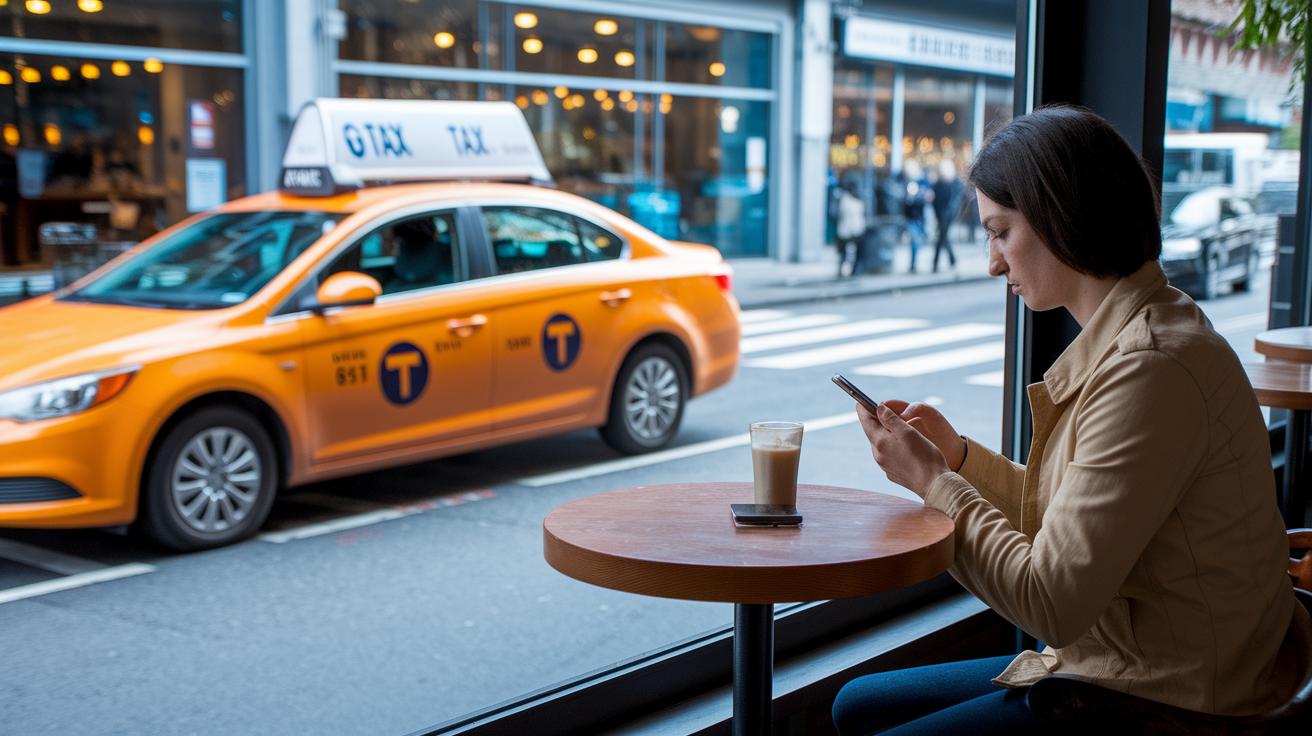
Planning ahead is your ticket to a smooth solo adventure. When you know your transport options, you feel in control and ready to explore new, unfamiliar places without worry.
Ridesharing and Taxis
When you're booking a ride, stick to trusted apps like Grab or Uber and wait inside until your ride arrives. One traveler once said, "I always agree on a fixed price with my driver before we start, and I wait indoors until the car shows up." Doing a little research on whether to go for a flat rate or let the meter run can really ease your mind.
Public Transportation
If you're hopping on a bus, choose a seat close to the driver for a better view and faster help if needed. When riding trains, if something feels off or you notice odd behavior, switch to another car right away. And don’t hesitate to ask locals or your host which stops are safe, trust their advice as it comes from experience.
Night Travel Precautions
After dark, it’s best not to walk alone. Sharing rides or traveling with a friend adds that extra layer of security when the streets are quiet. Whether you're using organized rideshares or getting tips from local contacts, these small precautions go a long way towards keeping you safe.
Remember, every place has its own transport habits, so check out recent traveler tips and local advice to feel reassured every step of your journey.
Personal Safety Practices for Independent Explorers
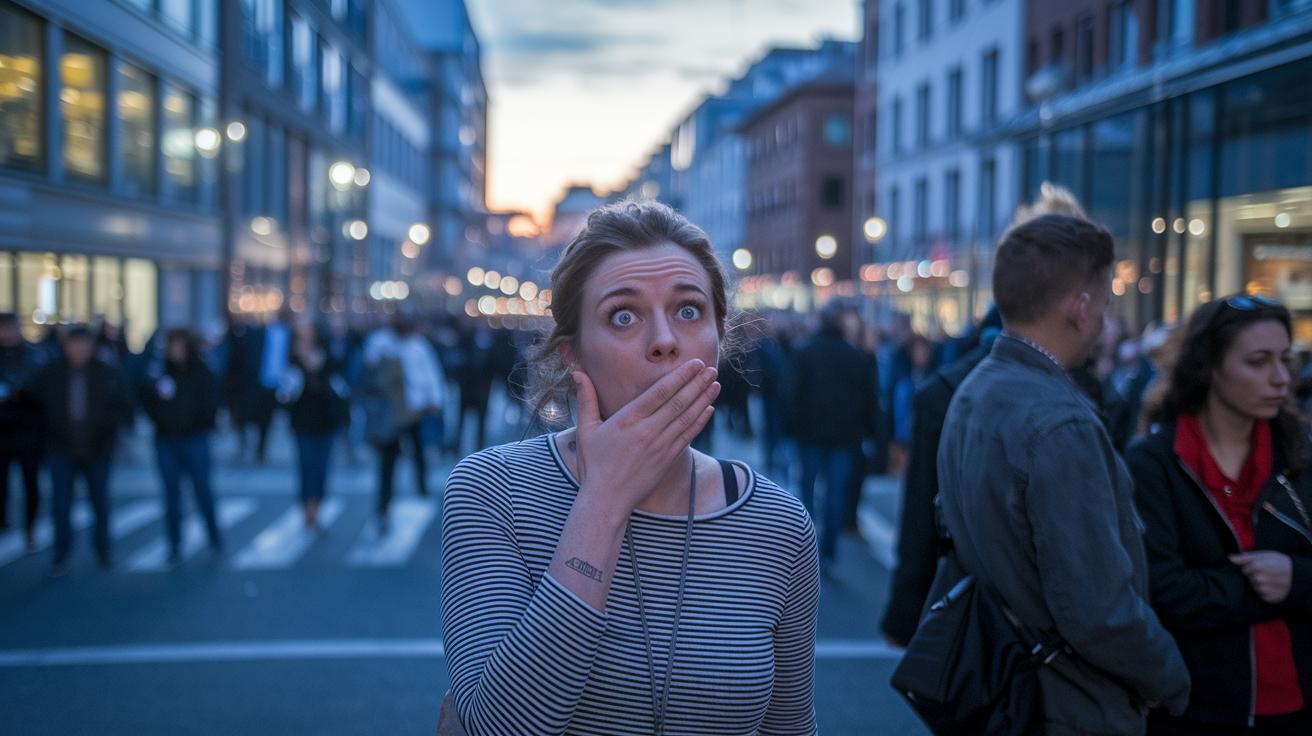
Our main guide already talks about self-defense classes and staying alert, but let me share a neat trick you might not have heard of. When you sense a threat, try acting surprised, like saying, "I didn't expect that!" The sudden reaction can throw off a would-be attacker without making things worse.
Also, a little insider tip: hide your valuables in unexpected places. Instead of keeping cash or important documents in your usual pockets, tuck them away in inner compartments of your bag. This simple move helps keep your items safe while steering clear of the same old travel advice.
Digital and Financial Security on Solo Journeys
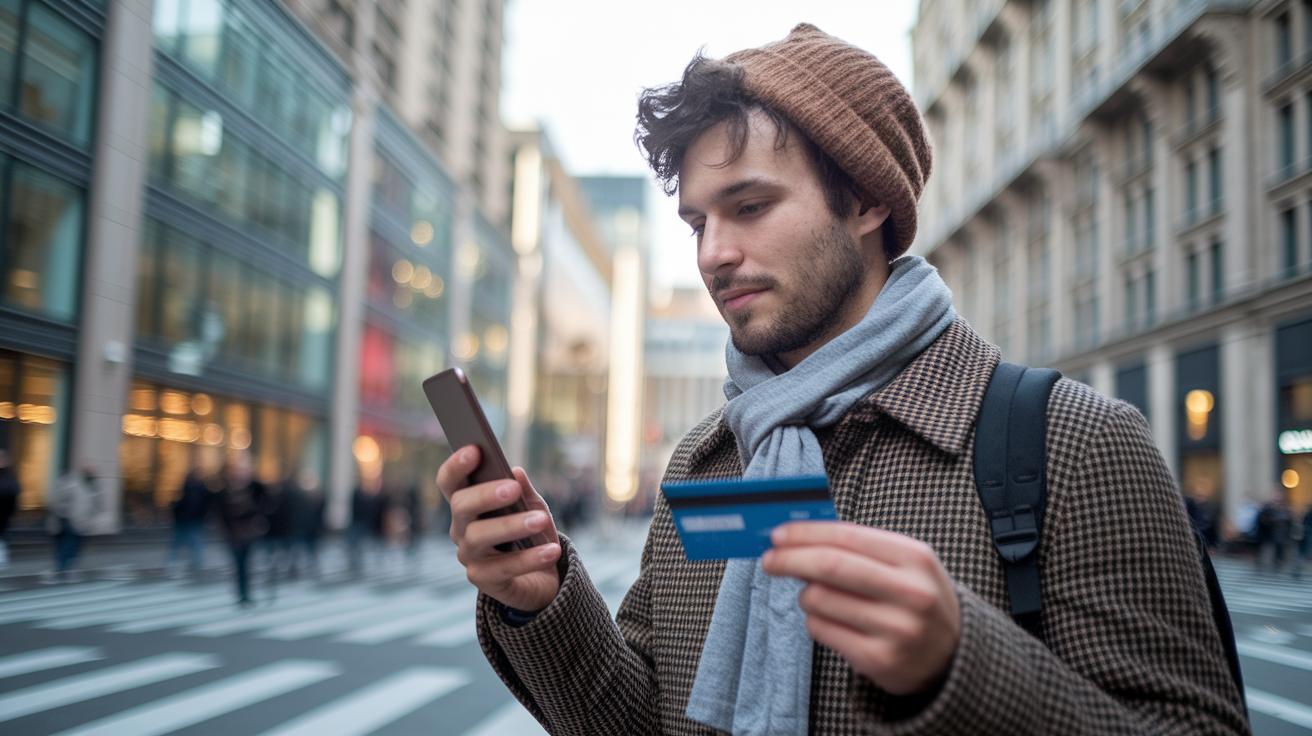
When you're setting out alone, looking after your money is a must. Keep only a bit of cash on hand by splitting it between a money belt and a secret pouch. Stick with a reliable credit card like a Mastercard World Elite and keep it close by while you shop. I once heard a traveler mention, "Having my card safely in sight always brings calm to my every purchase." This simple trick helps cut down on money mishaps as you explore.
Taking care of your digital side is just as key. Before leaving, download offline maps, a language app to help with translations, and local ride-hailing tools (those are apps that let you book rides nearby). With these on your phone, you can find your way even if you're out of data. It also helps to grab a local SIM card or set up an international plan so you’re always reachable in emergencies. And try not to share your detailed travel plans or photos of boarding passes on social media, it’s a smart move to keep your journey private.
Mixing careful cash management with reliable digital setups gives you a strong safety net on your travels. With your funds spread wisely and your phone stocked with essential apps, you can focus on soaking in every moment of your adventure. This balanced approach helps you handle any surprises on the road, making your solo trip feel even more carefree.
Emergency Preparedness and Crisis Management for Solo Travelers
Before you set off, take a moment to check out any local hazards, think hurricanes in Puerto Rico or earthquakes in Chile. It’s like getting a sneak peek at what could be waiting for you. One traveler shared, “I always review the latest forecasts before leaving,” and that tip can really help you plan smarter.
Next, jot down essential emergency contacts and print out key details. Carrying offline guides is a bit like having a trusty paper map when your digital one fails. Save numbers for hospitals and embassies so you're ready even if technology lets you down.
Also, it helps to have backup funds and travel insurance that covers things like medical evacuation. And in places where risks are higher, joining a group tour with skilled local guides can really ease your worries, turning potential challenges into manageable parts of the adventure.
Solo Travel Itinerary Safety Enhancements
Below is an improved checklist packed with practical ideas to keep your journey safe. For instance, I set up regular check-ins with a trusted friend by texting them around 8 p.m. every night; it really eases my mind when plans shift unexpectedly.
This guide goes beyond your regular travel tips. It offers clear, step-by-step methods that adjust smoothly as your trip unfolds.
| Checklist Item | Details |
|---|---|
| Pre-Trip Destination Verification | Double-check local alerts, updated news, and emergency contacts for the area |
| Time-Specific Itinerary Sharing | Plan set check-in times, send daily updates to someone you trust, and share any changes right away |
| Insurance Purchase | Secure coverage for basic medical care along with any fees that come from changing or canceling plans |
| Packing Essentials & Itinerary Copies | Carry printed copies of important documents and keep digital backups in a safe online spot |
| Accommodation Booking Confirmation | Confirm room safety details and have a backup lodging plan just in case |
| Dynamic Transport Plan | Download local ride apps, save driver contacts, and set up an alternative transport option |
| Self-Defense Preparation | Practice quick-response drills and check out local self-defense classes before you go |
| Digital Safeguards | Use offline maps, pack backup SIM cards, and install real-time alert apps for smooth travel tracking |
Keep this handy checklist saved on your phone or printed out, and update it as your travel plans change.
Final Words
In the action, we broke down key safety steps like researching local risks, booking secure lodging, planning trusted transport, and keeping personal security top of mind. Every tip builds on this expert guide to solo travel safety tips, ensuring you get practical advice for a stress-free trip.
Small measures like packing essential gear and staying alert are simple yet effective. Enjoy your travels with renewed confidence and a spirit of discovery.
FAQ
What does an expert guide to solo travel safety entail?
An expert guide to solo travel safety covers tips on planning, lodging, communication, and personal defense. It draws from trusted online advice for both men and women to help you prepare confidently.
How can women stay safe when traveling alone?
Staying safe as a woman means planning ahead, sharing your itinerary, packing essential safety gear, and trusting your instincts. These strategies help you feel secure and ready for unexpected situations.
What are some must-have solo travel safety items?
Essential items for solo trips include a personal alarm, a small first-aid kit, photocopies of important documents, a power bank, and secure money storage to help keep you safe wherever you go.
What key safety tips should beginners consider for solo travel?
Beginners should prepare detailed itineraries, book secure accommodations, use trusted ride services, carry minimal cash, and learn basic self-defense. These steps build confidence and help keep unexpected risks at bay.
How can a traveler manage anxiety during solo trips?
Managing anxiety on solo trips involves careful planning, booking secure stays, staying connected with loved ones, and taking small steps to boost confidence. These ideas can help lessen stress while you explore independently.
What does the dark side of solo travel include?
The dark side of solo travel can include feelings of loneliness, encounters with scams, and stress from unexpected challenges. Being aware of these risks can encourage extra caution and thoughtful planning.
Is 27 too old to solo travel?
Being 27 is a great age for solo travel. Many at this stage enjoy increased confidence and energy, making it an ideal time to explore on your own while taking smart safety measures.