Ever thought a few simple tweaks could keep your trip free from unexpected troubles? Picture this: a quick visit to your doctor, a bit of planning a few weeks ahead, and packing a small health kit, your very own toolbox for emergencies.
It’s a lot like getting your car ready for that long road trip. When every little detail is in place, you feel calm and ready to set off on new adventures. These handy travel health tips help you dodge minor bumps along the way so you can focus on soaking up every great moment.
Key travel health tips to stay healthy on trips
Start planning your trip 4–6 weeks ahead. Book an appointment with your doctor to freshen up your routine shots and grab any prescriptions you might need. It’s like setting your watch just right, everything in place and stress-free.
When you pack, don’t forget a small first aid kit that fits in your carry-on. Pack bandages, antiseptic wipes, pain relievers, and any personal medications you use. A little tip: add your own must-have list to the kit by checking out some travel packing ideas online. It could really save you during a minor mishap.
Staying hydrated is key during any adventure. Sip water often, but make sure it’s safe, choose bottled or purified water. Watch for local signs that mark safe water, and avoid those with red X’s or skull symbols. One traveler mentioned that paying attention to these signs really helped avoid discomfort.
Remember to protect your skin when you’re out exploring. Apply sunscreen every two hours, especially if you're spending a lot of time outdoors. Also, be mindful of local food choices; if you’re not sure how clean raw produce is, it might be best to skip it. These simple steps help keep you safe and ready to enjoy every moment of your trip.
Preparing a travel health kit and portable medical checklist

When you're off on an adventure, it’s smart to pack a little health kit that fits right in your carry-on. Think of it as your personal toolbox for unexpected travel bumps, you never know when you might need a quick fix. Picture having a neat little stash that’s ready to help when minor discomfort sneaks up on you.
Start with the basics. You’ll want to have some bandages and blister pads handy for small cuts or irritation. Antiseptic wipes come next to keep any little wounds clean. And don’t forget some pain relievers along with anti-diarrheal meds to tackle any sudden aches or tummy troubles. If you’re prone to getting queasy when the ride gets bumpy, a small pack of motion sickness pills is a real lifesaver. Likewise, packing insect repellent and allergy medicines can be a big help when annoying bugs or allergies try to spoil your day. A travel-size hand sanitizer is always useful too, and a digital thermometer lets you quickly check your temperature if you start feeling off.
| Item | Purpose |
|---|---|
| Bandages & Blister Pads | For small cuts and irritation |
| Antiseptic Wipes | To clean minor wounds |
| Pain Relievers & Anti-Diarrheal | To ease sudden aches or stomach issues |
| Motion Sickness Pills | For those bumpy rides |
| Insect Repellent & Allergy Medicines | To ward off bugs and allergic reactions |
| Hand Sanitizer | To clean up on the go |
| Digital Thermometer | To check your temperature if needed |
It’s a good idea to also tuck in copies of your prescriptions along with a small medical information card that has your blood type and emergency contacts. This little piece of paper could be a real lifesaver if you ever need urgent care.
For more insider advice on smart packing, you might want to check out this article on packing tips for international travel. Trust me, keeping your health supplies organized can turn a stressful moment into a smooth, worry-free experience.
Travel health vaccination recommendations and immunization schedules abroad
When you're gearing up for an international adventure, one smart move is to make sure your routine shots are current. Check that you’re up-to-date with vaccines like MMR (measles, mumps, rubella), DPT (diphtheria, pertussis, tetanus), and the yearly flu shot. It’s a good idea to book these at least four to six weeks before your trip so your body has plenty of time to build protection.
Next, think about vaccines that are specific to your destination. Talk to your doctor about getting immunizations for Typhoid, Hepatitis A, Hepatitis B, and even Yellow Fever if needed. Some countries require a Yellow Fever vaccine certificate before you can enter, so it’s best to double-check. And while you’re at it, ask about any other shots you might need based on where you’re headed.
By planning ahead and updating your vaccinations, you’re setting yourself up for a worry-free journey. This way, you can focus on exploring new places, tasting delicious street food, and soaking in the local culture without any extra health worries later on. Happy travels!
Travel health tips for food and water safety
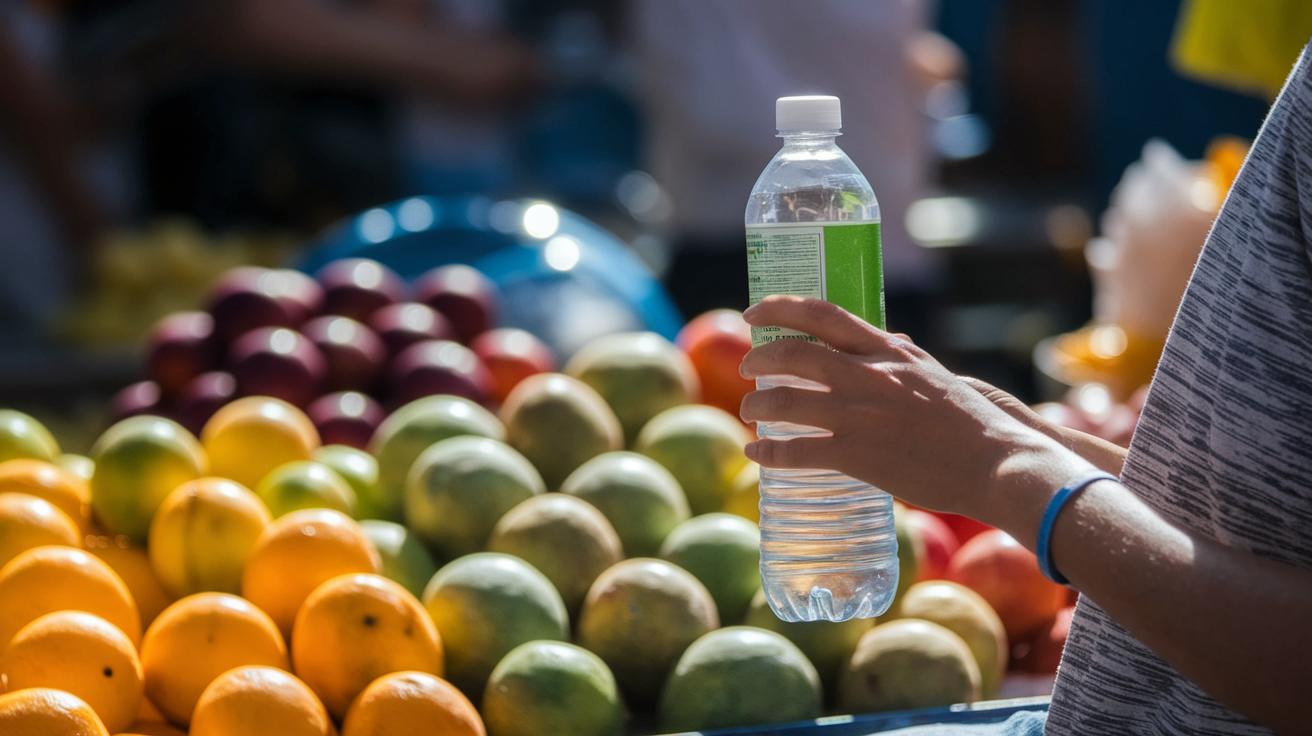
Eating out while traveling calls for extra care, stick to foods and drinks that are truly safe so you can dodge unwelcome tummy troubles. I once heard of a traveler who trotted from Europe to India for six whole weeks, and guess what? Their secret was choosing dishes that were heated until they were steaming hot and sipping water only when local signs told them it was safe. They said, "I only drank from bottles or taps marked with green labels like 'Trinkwasser'," and that made all the difference.
When it comes to water, your best bet is to enjoy bottled or boiled options when you're not 100% sure about tap quality. Keep your eyes peeled for friendly local markers, green marks and safe labels usually mean it's okay to drink. But if you spot taps flagged with red Xs or even skull symbols, play it safe and pass them by.
- Stick with bottled or boiled water whenever you're in doubt.
- Skip raw fruits and veggies if you can't wash them properly.
- Look for local water indicators so you steer clear of any unwanted infections.
Travel health tips: nutrition and hydration strategies
Don't choose carbonated or salty snacks when you're on the go, they can leave you feeling bloated and uncomfortable. Instead, pack some wholesome, grab-and-go treats like a whole-grain bar or a small pack of nuts. Imagine sinking your teeth into a crunchy snack that fuels you without weighing you down.
Switch up your meal plan with lighter, nutrient-rich options. Instead of reaching for chips or processed foods, try picking up a mixed fruit cup or a veggie wrap from your local market. These choices taste great and keep your energy steady. Picture yourself enjoying a crisp apple with some almonds while riding on a long bus journey.
Don't forget to stay hydrated during your travels. Sip water early and often because even a little dehydration can throw off your body temperature and make you feel off. Carry a refillable bottle and take a moment to top it off whenever you can. This simple habit helps you stay refreshed and ready to soak up every exciting moment of your adventure.
Travel health tips for managing jet lag and stress during trips
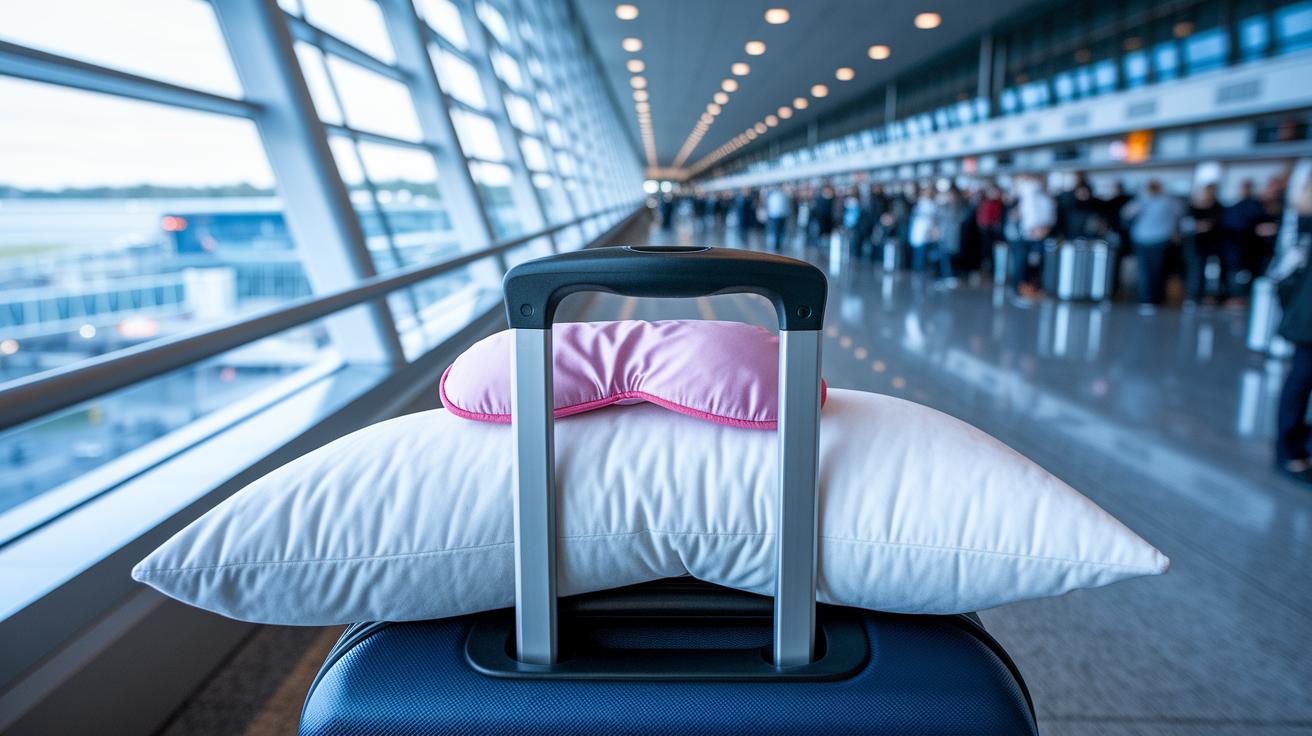
Traveling across several time zones can catch you off guard with jet lag. One smart move is to pack a trusty travel pillow and eye mask. These little helpers block out unwanted light and noise so you can slip into a cozy sleep, even in a bustling terminal.
Before you head out, try shifting your sleep pattern a bit every day. And when you finally arrive at your new destination, step outside and let the morning sun wake you up naturally, it’s like your body’s own gentle nudge to start the day.
Don’t forget to build in some breaks along the journey. Whether it’s standing up to stretch or taking a quick stroll, these simple moves get your blood flowing and shake off the stiffness from long-haul travel.
It’s also important to chill out a bit. Taking a few deep breaths, pausing to enjoy your surroundings, or just soaking in the vibe can really ease your mind. This mix of rest and gentle movement helps keep stress low and lets you truly enjoy every moment of your adventure.
Travel health tips for emergency preparedness and medical care
Before you hit the road, make sure you have a plan ready for any unexpected bumps along the way. Chat with your doctor well ahead of time to see if you need any extra prescriptions or special meds, like packing an extra layer when it might get chilly. It's a small step that can really save the day if things take a twist.
When you're packing your travel must-haves, put together your own list of first-aid items that work for you. Don't forget to include copies of any prescriptions you may need. This little list can be a real lifesaver if a minor issue starts to feel serious, think pain relievers, allergy meds, and your regular treatments neatly packed away.
Keep both digital and printed copies of your travel insurance details and medical records. Imagine having a tiny file tucked into both your bag and phone so you’re ready to show proof of care overseas when the time comes.
Before you set off, spend a few minutes checking out the local clinics and hospitals at your destination. Save down local emergency numbers, like having a mini contact list handy while you’re exploring unfamiliar streets.
- Talk with your doctor about any special health needs.
- Pack your personalized first-aid kit and extra prescription copies.
- Keep digital and printed copies of your insurance and medical records.
- Look up local hospitals and emergency contact numbers before you leave.
Final Words
In the action, we covered must-know travel health tips, from setting up your travel kit and vaccinations to smart food and water choices. We talked through packing first-aid items, planning for safe meals, and simple ways to manage jet lag and stress when you're on the move.
Every tip is meant to give you extra peace of mind so you can focus on creating memories abroad. Stick to these travel health tips and watch your trip turn into a smooth, worry-free escape. Enjoy every new mile!
FAQ
What are international travel health tips?
The international travel health tips focus on preparing early by visiting your doctor weeks before departure, packing a first aid kit, staying hydrated with safe water, and checking local safety indicators for food and water.
What are travel health tips for COVID?
The travel health tips for COVID highlight extra hygiene like frequent hand washing, wearing a mask in crowded spaces, using hand sanitizer, and staying up to date with any recommended vaccinations and local guidelines.
How does staying healthy while traveling for work work?
Staying healthy while traveling for work means planning ahead, packing essential medical supplies, making time for rest, eating balanced meals, and staying hydrated so you can keep up your energy for work and exploration.
How do CDC travel vaccines by country guide health?
The CDC travel vaccines by country advice guides you to update routine immunizations and get destination-specific shots, like yellow fever, well before your trip, ensuring you meet entry requirements and stay protected abroad.
What travel health advice by country should I follow?
The travel health advice by country suggests checking local guidelines on food safety, water quality, and required vaccinations, along with reviewing health notices from trusted sources to adapt your preventive measures accordingly.
How does one stay healthy while flying?
Staying healthy while flying involves moving around during long flights, using a travel pillow and eye mask for better rest, staying hydrated, and practicing good hand hygiene to combat germs in aircraft cabins.
What are the CDC travel guidelines for health?
The CDC travel guidelines advise you to have a pre-trip consultation with your doctor, pack an essential first aid kit, stay updated on vaccines, and research health conditions at your destination before departure.
What travel medicine advice can help me on trips?
The travel medicine advice recommends a pre-trip health check, updating your routine and destination-specific vaccines, packing a compact first aid kit, and familiarizing yourself with nearby medical clinics at your destination.
What is the key health tip for traveling?
The key health tip for traveling is to plan ahead by visiting your doctor, packing necessary medical supplies, staying well-hydrated, protecting your skin from the sun, and choosing safe food and water options to steer clear of illness.
How can I avoid getting sick while traveling?
To avoid getting sick while traveling, practice good hygiene, choose safe food and drinks, keep a well-stocked first aid kit on hand, and move around regularly to maintain circulation, especially during long trips.
What are the top 10 travel tips for a healthy trip?
The top 10 travel tips include early health planning, pre-trip vaccinations, packing a quality first aid kit, staying hydrated, using sun protection, choosing safe foods, managing jet lag, resting well, moving during flights, and knowing local medical contacts.
What is the most common health problem for international travelers?
The most common health problem for international travelers is often stomach upset from unsafe food or water. Practicing safe eating habits, drinking from reliable sources, and staying hydrated can help minimize this risk.