
Ever feel swamped by all the travel choices in Europe? I know it can seem like you’re juggling too many stops and tight schedules at once.
Planning a trip might feel a bit like solving a puzzle, but a clear plan makes your journey feel smooth and enjoyable. In this guide, we'll chat about how to pair the length of your trip with the best stops, whether you’re in the mood for quick city hops or a relaxed pace that lets you savor local charm.
So, are you ready to leave the stress behind and plan your adventure without the fuss? Let’s dive into some simple, friendly tips that can make your European tour feel like a walk in a sunlit park.
Europe Travel Itineraries for Every Trip Length
Picking an itinerary that suits how long you’re traveling can make your journey feel smooth and fun. Whether you're planning a short week-long escape or an exciting three-week tour, ready-made travel plans help guide you through the must-see spots without any extra fuss. Imagine a 7-day trip where you spend a couple of days in each lively Western Europe capital, you get a wonderful taste of the culture without feeling rushed.
| Duration | Key Route | Main Highlights | Recommended Days per Stop |
|---|---|---|---|
| 7-day | Western Europe Capitals | Iconic landmarks, quick city tours | 1-2 days |
| 10-day | London – Paris – Rome | Historic sites, museum stops, vibrant streets | 2-3 days |
| 14-day | Central & Southern Gems | Prague, Vienna, Budapest or Madrid, Seville, Barcelona | 2-3 days |
| 21-day | Panoramic Loop | Mixed regions featuring local cuisine, art spots, scenic views | 2-3 days |
When you make your travel plan, think about how fast you like to explore and what truly fascinates you. If you’re the kind who prefers a quick hop from one major attraction to the next, a 7- or 10-day route is just right. But if you like to take your time, soaking up the local flavors and chatting with locals along the way, a longer trip might be your perfect match. Use these ideas as a friendly starting point to craft your own unique adventure.
Budget and Transport Strategies for Europe Travel Itineraries

Planning your European adventure means choosing the best way to get around. Trains give you a cozy ride and let you soak up the ever-changing views outside your window. When there’s no train route, hopping on a bus can be a smart, budget-friendly move. And if you need to cover long distances fast, budget flights or ferries are perfect for saving time while keeping costs low.
Making smart money moves is key. Try picking open-jaw tickets so you avoid backtracking, and set a daily budget of around $100 to keep spending in check. Booking your rides and stays well in advance can score you discounts, and timing your reservations might even save you a few extra euros along the way.
Travel during off-peak times, like January or February, to enjoy lower prices and smaller crowds. And hey, remember to set aside a little extra for those unexpected little expenses, like a few euros here and there for a quick restroom stop when you’re on the go.
Customizable Europe Travel Itineraries for Families, Couples, and Solo Travelers
For families, planning a trip is all about taking it slow and steady. You can group attractions by nearby areas so you don’t have to pack and unpack all the time. Imagine spending mornings at a museum and afternoons at a nearby park, with each part of your day gently guiding everyone to fun and discovery.
Couples might want a blend of romance and culture. Picture wandering quiet, cobbled lanes in a charming city or feeling the coastal breeze in a seaside town. An evening under candlelight or a relaxed stroll through a historic square can set the perfect stage for unforgettable moments.
Solo travelers, on the other hand, can enjoy the freedom of a flexible plan. Stick to a few key stops and ride Europe’s reliable rail system. Leave space in your schedule for those little surprises, a hidden café in an old town or a quiet corner that invites you to pause and savor the moment.
Step-by-Step Guide to Planning Europe Travel Itineraries
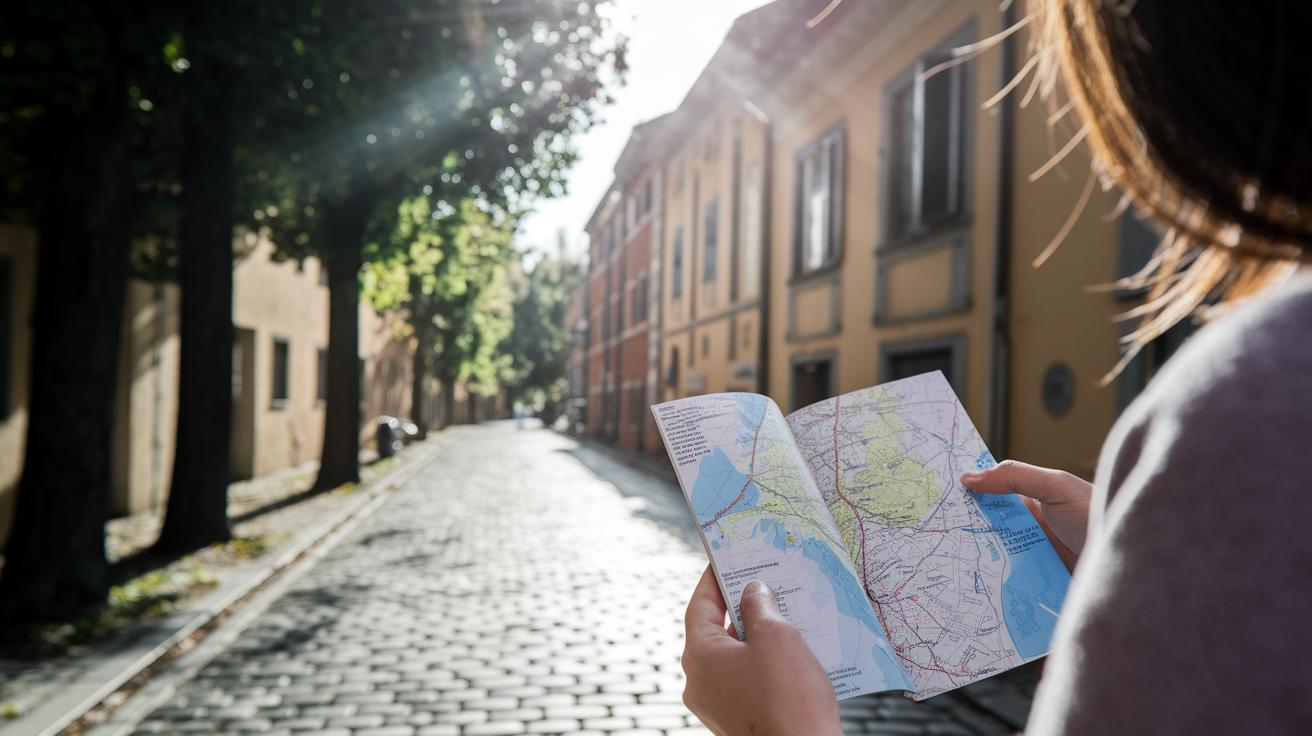
Making a plan for your European adventure can really help you relax and enjoy the ride. It’s like having a friendly map that shows you the best spots to explore and makes sure you don’t miss any cool experiences.
Selecting Destinations
Start by choosing the places that spark your interest and fit well with the season. Think about how easy it is to get around and any fun seasonal events that might be happening. For example, big airport hubs are great for landing and taking off. Focusing on a couple of main cities keeps things simple while giving you plenty to discover.
Mapping Your Route
Plan your travel path with the help of mapping tools and flexible ticket options. Map out a route that connects cities with reliable train links so you won’t be backtracking too much. This way, you can glide from one exciting spot to another, mixing the well-known sights with those off-the-beaten-path treasures.
Scheduling Travel Days
Keep travel days separate from your sightseeing adventures. Put travel days early on when you’re still getting your bearings, so you have whole afternoons to wander and explore. And don’t forget to schedule in some downtime to rest up for the next leg of your journey, rushing around is never fun.
Booking Accommodations and Tickets
Lock in your hotels and buy skip-the-line tickets for the popular attractions in advance. Make sure your bookings meet any visa or ETIAS requirements, and remember to pack your essential gadgets like travel adapters. Need some extra help? Check out this planning travel itineraries template for handy tips.
Finalizing the Itinerary
Finish off your planning by putting together a clear schedule. Whether it’s on your phone or printed out, include all the dates, contact info, and backup plans you might need. List out must-dos like confirming travel permits, packing clothes that fit the weather, and sharing your plan with someone close. With this checklist in hand, you can set off on your journey with peace of mind and lots of excitement.
Online Tools and Resources for Europe Travel Itineraries
Imagine planning your European adventure with a cool map builder that shows you exactly where to go each day. These interactive planners break your journey into bite-sized stops that feel easy to tackle. I remember a traveler telling me how an online map builder helped them see their stops in a snap, letting them tweak the plan as they went along. It’s like having a clear snapshot of your route along with room for little surprises along the way.
Then there are timeline and scheduling tools that lay out your travel days neatly, think arrival times and even moments just to relax. With these handy tools, you can update your schedule on the fly as you catch a real-time vibe of the place or adjust to your mood. They let you change start and end points so that both busy transit days and chill downtime stay well organized.
Mixing different online resources lets you create a planning routine that’s as flexible as your travel dreams. When plans change or a new opportunity pops up, you’re always ready to adapt and make the most of every moment on your journey.
Final Words
In the action we walked through various tips for planning a memorable trip across Europe, from sample itineraries suited for a week to longer trips, to smart ways to handle travel and money matters. We touched on options for different groups and laid out clear steps for mapping your stops and booking tickets. The guide shows how using well-planned europe travel itineraries can set the stage for a trip filled with fun and real moments. Enjoy setting up your next great escape!
FAQ
What are some recommended Europe itineraries for various trip lengths?
The suggested itineraries offer ideas for 5, 7, 10, 14, and 21 days. They include routes through key cities and landmarks so you can enjoy a well-planned tour that fits your available days.
How does a two-week Europe itinerary by train work?
A two-week route by train lets you travel comfortably between major cities. It organizes stops for local flavor while keeping travel days efficient—perfect if you like relaxed trips with plenty of sights.
How many days are usually enough for a Europe trip and how many countries can you visit in 10 days?
A Europe trip can be satisfying in 7 to 10 days. In a 10-day plan, you can cover roughly two or three countries if you keep travel times short and focus on major hubs.
What is the average cost of a Europe trip?
Europe trips often average around $100 per day. This estimate covers meals, transport, and small extras, although your actual spend may change based on your style and season of travel.
What is the best month to travel to Europe?
The best months tend to be during the shoulder seasons when the weather is pleasant, and there are fewer travelers. Enjoy milder crowds and often better prices when planning your visit.