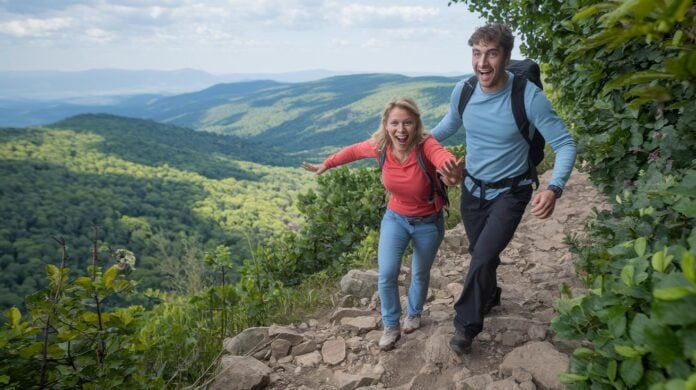
Have you ever noticed how a simple hike can change your whole day? Imagine swapping your usual routine for a breath of fresh air, turning an ordinary outing into the break you’ve been dreaming of.
In this guide, we share a straightforward plan to help you set clear goals, pack smart, and choose trails that feel just right, like picking the perfect snack for a picnic. A little planning can transform a walk in nature into a smooth, enjoyable adventure that makes every step count.
So, are you ready to shift from screen time to the open, welcoming trails under the sun?
Planning Your Hiking Adventure Route and Itinerary
Begin by setting clear goals for your hike. Decide how many miles you'll cover, the amount of climbing you expect, and the total time on the trail. This helps you figure out if you need extra permits for park entry or backcountry access. For instance, if you're planning a 12-mile journey with 1,500 feet of elevation gain in one day, you know exactly what you’re aiming to achieve.
Next, check out the local trail conditions using trusted sources like park services or the USFS. Look for any seasonal closures, road work, or wildlife alerts. It's a bit like picking the freshest ingredients for your favorite meal, you want everything to be just right before you set off.
Then, get a good feel for your map. Learn to spot key landmarks like ridges, water sources, and changes in the terrain that will help guide you along the way. And don’t forget a backup plan, a reliable GPS app or handheld device can be as reassuring as having both a paper map and a digital compass in your pocket.
After that, review your gear list and meal plans. Make sure you pack essentials like waterproof boots, layered clothing, a durable backpack, and a first-aid kit. Bring along light, energy-packed snacks that are easy to prepare outdoors. Think of it as fueling your adventure with quick, tasty bites that keep you going strong.
Finally, stay flexible and ready for unexpected detours. Keep an eye on the weather, check in with your group’s energy, and be prepared to change your route if needed. This way, even if surprises come your way, your hike stays safe and fun, letting you enjoy every bit of the journey.
Top Trails and Scenic Routes for Your Hiking Adventure
Waterfall Route Highlights
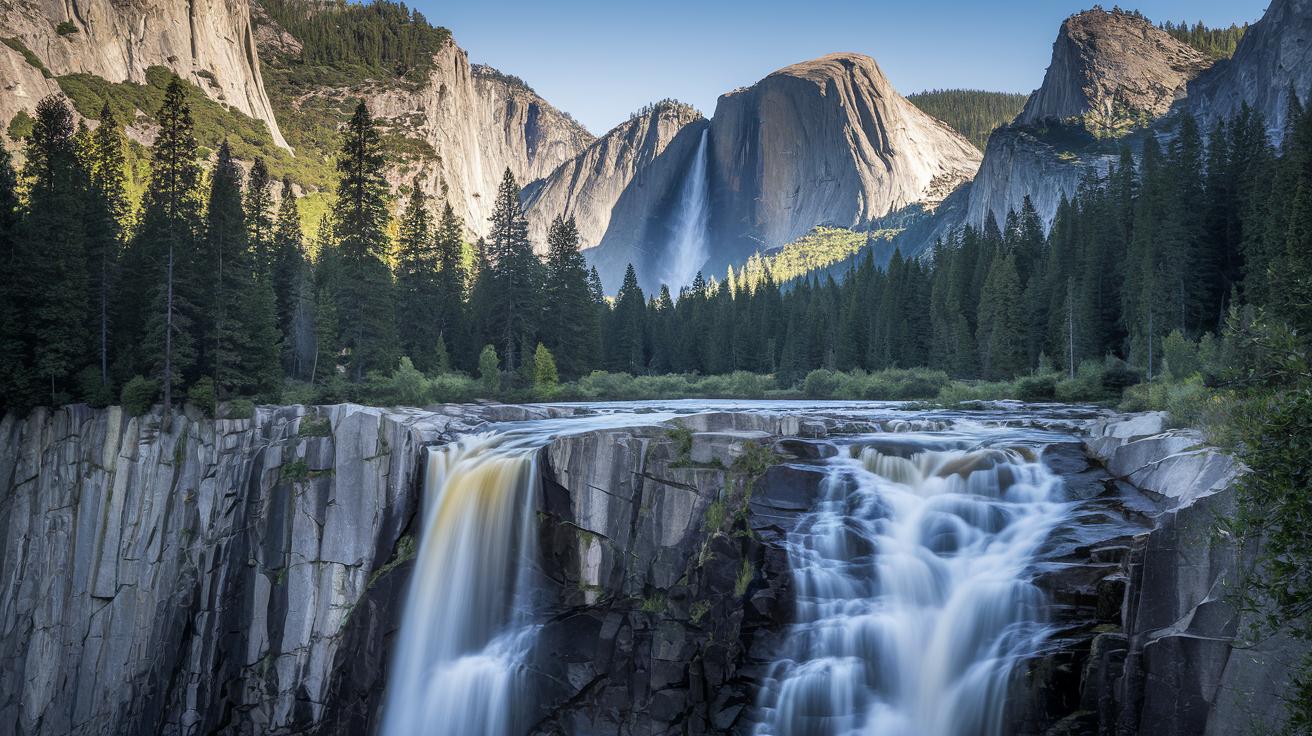
Imagine the splash of water and a cool, refreshing mist as you wander along the Yosemite Falls Trail. This 7-mile roundtrip hike, with a climb of about 2,000 feet, is especially magical in May and June when the falls gushingly celebrate nature's display. If waterfalls are your jam, you’ll love Niagara Glen. This 6.5-mile loop winds through vibrant, flowing cascades, letting you soak in the sound and sight of nature all year long. Ever felt that simple thrill while listening to water create its own tune on your journey?
Summit Quest Ideas
For those with a taste for heights, Mount Elbert in Colorado is a true test of will and wonder. Tackling its 9-mile route with a climb of 4,700 feet during summer (think July to September) offers both challenge and unforgettable views, but remember, you’ll need a permit before you set off. Then there’s the Denali Backcountry in Alaska, a multi-day alpine trek where experienced guides help you navigate ever-changing paths, depending on how the snow lays. Picture yourself stepping through crisp mountain air, each stride revealing more of the rugged, high-altitude beauty around you.
Forest and Canyon Loops
Sometimes, the magic of nature lies in the quiet loops through ancient canyons and shaded woodlands. Take the Bright Angel Trail in the Grand Canyon, a 12-mile out-and-back adventure where a 3,500-foot descent opens up a world of dramatic canyon walls that seem to tell stories with every step. Alternatively, wander the less-traveled Canyon Crest Loop, a gentle 8-mile circuit that hugs cool, rocky outcroppings and dappled woodland light. Both options invite you to pause, reflect, and simply enjoy the slow, winding rhythms of nature.
Essential Gear and Equipment for a Safe Hiking Adventure
When planning your hiking adventure, picking gear that’s both light and tough is like choosing good travel companions. You want your equipment to stand up to bumpy trails and unexpected weather while helping you feel safe and comfy all along the way.
Think of each item as a buddy you can always count on. By focusing on durable gear that isn’t too heavy, you save energy and make your pack more efficient for those long days on the trail.
- Footwear: Waterproof hiking boots or trail runners that have been well broken in.
- Clothing layers: A moisture-wicking base layer, an insulating fleece, and a trusty waterproof shell.
- Pack: A bag with a 40–60 L capacity, complete with a supportive hipbelt and a built-in rain cover.
- Shelter: A 2-person lightweight tent or a bivy, including stakes and a protective footprint.
- Navigation: A paper map, compass, and a reliable GPS app to help you find your way.
- Hydration: 2–3 L reservoirs paired with a water filter or purification tablets so you stay refreshed.
- Food kit: A compact stove, pot, and high-calorie dehydrated meals for a quick boost of energy.
- Extras: A durable headlamp, a well-stocked first-aid kit, and an emergency bivy for peace of mind.
Before you head out, try all your gear in a safe setting. Put on your boots with your fully loaded pack to check the fit and practice setting up your tent or using your stove. Regular checks and a little practice can catch any little issues before they become big ones. For more tips on packing smart, check out our travel packing tips.
Safety Practices and Wilderness Basics for Hiking Adventure
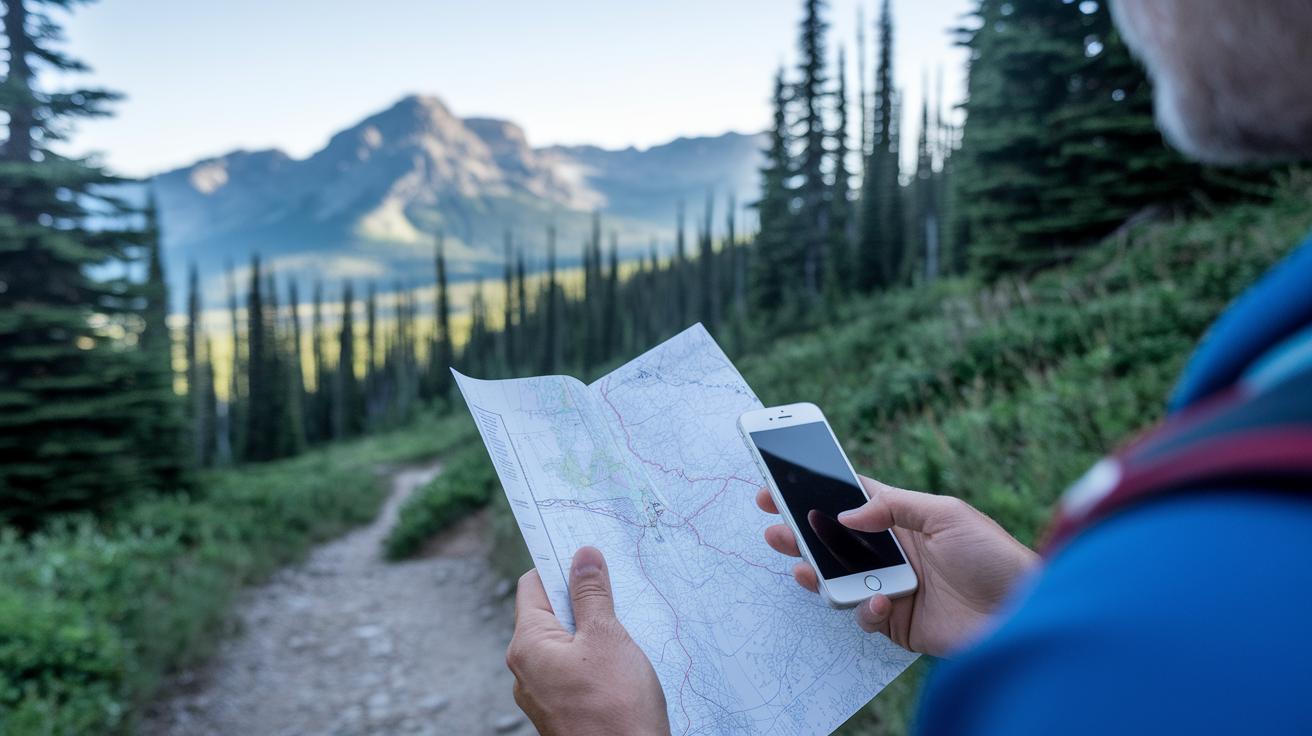
When setting out on your hike, don’t depend on just one way to check your route. Pack an updated paper map alongside your favorite GPS app so you’re not caught off guard by a detour. I always practice in a local park by matching my printed map with directions from my phone – it’s like having a backup when you really need it.
Mountain weather can change on you in an instant. Check reliable forecasts like NOAA for mountain areas and be ready for afternoon storms, especially when you’re above the trees. It’s like having a plan if an unexpected downpour decides to crash your adventure. Keep a close eye on the sky.
When you face water crossings, take careful steps. Use trekking poles to test the water’s depth before you step in, and unclip your hipbelt to help you maintain balance. Picture testing a shallow stream with your pole first – that extra caution can make all the difference.
If you run into wildlife, stick to tried-and-true safety tips. In bear country, be sure to carry proper canisters and make some noise along the trail so you don’t startle anyone. Keep a snake-bite kit nearby and always follow Leave-No-Trace practices by packing out everything. These steps help you and nature stay in sync while you enjoy your adventure.
Tailoring Your Hiking Adventure: Group, Solo, and Family Options
When you're picking your hiking style, you’ve got a few paths to choose from. Group hikes can be fun because of the shared energy, while going solo gives you the freedom to set your own pace. And hiking with family means you have a safe, kid-friendly experience, even though the adventure might feel a bit more laid back.
Every option comes with its own bumps in the trail. With group hikes, you might have to find a pace that works for everyone, which can be a little tricky if some are just starting out. Solo walks may sometimes feel lonely, and planning a family hike means you’re juggling interests and safety for everyone.
For group adventures, aim for a guide-to-hiker ratio of about one guide for every twelve people. This helps keep everyone in check and makes sure no one is left behind. It’s a good idea to match fitness levels and share gear so that every step feels supported. A pace that lets you chat and laugh without leaving anyone exhausted makes the journey all the more enjoyable.
If you’re heading out on your own or with family, safety is key. For solo treks, choose well-marked trails or join a small guided group for those more challenging paths. When you’re with family, stick to shorter trails, think half-day hikes under five miles with gentle slopes. Packing a few fun activities for the kids and planning plenty of breaks can make all the difference. So, plan carefully but stay open to surprises along the way, and you'll make memories that last.
Fitness and Seasonal Prep for Your Hiking Adventure
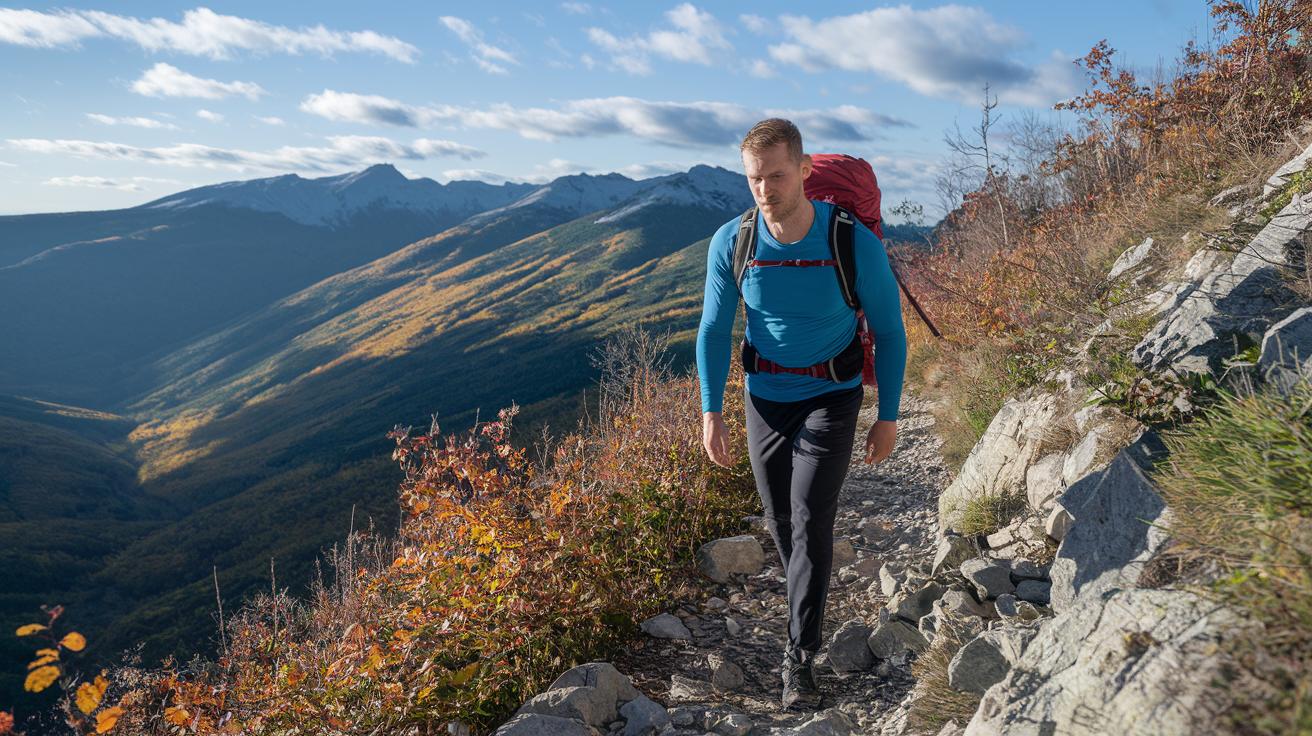
Start with a 10-week training plan that blends three cardio workouts with leg-strength exercises. This routine builds up your endurance for those heavy pack hikes, gradually boosting your weekly mileage from 10 to 40 miles, perfect for any fitness level.
Don’t forget to add in some short, high-energy hikes. Mixing in brisk trail walks with strength work helps your body get used to bumpy terrain and sudden changes in pace.
When heading into high altitudes, try to keep your daily climb to around 1,600 feet once you're above 8,000 feet. Take a rest day every three or four days and drink plenty of water to help your body adjust to the thin air. A slow, steady approach like this prevents fatigue and keeps altitude discomfort at bay. And when you face steep parts, take extra breaks so your body can recover.
Keep in mind that each season brings its own set of challenges. In spring, watch out for thawed trails that might be slippery. Summer usually offers stable conditions for long trips, while autumn welcomes you with calm walks through vibrant, fall-colored scenery. Winter, though, calls for careful planning with shorter days and heavier gear. Always check the weather and trail conditions before you go, and be ready to change your route if needed.
Final Words
In the action, you learned how to plan your hiking adventure route, set clear objectives, and prepare for unexpected turns. The guide covered everything from checking trail conditions and map basics to choosing reliable gear and crafting a food plan.
It also broke down options for solo, family, and group treks along scenic trails and safe routes. These tips are here to fire you up for a fun, smooth hiking adventure.
FAQ
Q: What do hiking adventure tours, packages, vacations for beginners, and guided hiking tours in the USA include?
A: The hiking adventure options deliver organized trips near you with expert planning, route details, gear advice, and support perfect for new hikers as well as seasoned explorers looking for a well-guided outdoor experience.
Q: What does hiking adventure meaning refer to?
A: The hiking adventure meaning points to an experience combining outdoor physical activity with the thrill of exploring nature’s unique landscapes and challenges, sparking excitement and personal growth along each trail.
Q: What makes hiking adventure in California special?
A: Hiking adventure in California shines with varied landscapes—from coastal paths to rugged mountain trails—each offering scenic beauty, unique weather patterns, and memorable outdoor moments for hikers of all abilities.
Q: What are hiking adventures t-shirts all about?
A: Hiking adventures t-shirts feature creative designs and catchy slogans that capture the spirit of outdoor exploration, serving as fun and wearable expressions of a love for hitting the trails.
Q: Is hiking an adventure?
A: Hiking is an adventure as it takes you outside your everyday routine to explore natural settings, test your endurance, and discover new paths, offering both physical challenge and rewarding outdoor moments.
Q: What are the 5 stages of hiking?
A: The 5 stages of hiking typically include planning your route, setting out on the trail, reaching a midpoint challenge, experiencing the peak or main trail event, and safely returning, each stage bringing its own rewards and insights.
Q: What state is ranked #1 for hiking?
A: The state ranked #1 for hiking is often celebrated by enthusiasts for its stellar trail systems and diverse natural settings, making it a top pick for outdoor lovers seeking immersive hiking experiences.
Q: What are the Big 3 hiking trails?
A: The Big 3 hiking trails refer to three renowned routes known for their striking scenery, challenging terrain, and historical significance, offering hikers an iconic taste of what nature has to offer.