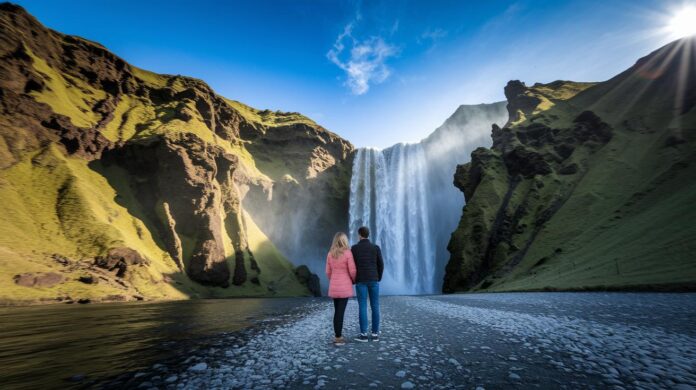
Ever wondered if Iceland's wild weather is a treat or a challenge? One minute, the bright sunshine reveals a landscape full of wonder, and the next, a light shower reminds you to grab your raincoat.
In this guide, we'll share simple tips to help you manage the ever-changing skies and enjoy Iceland your way. You'll discover easy ways to save money and turn every twist and surprise into a memorable adventure under those amazing views.
Travel Tips for Iceland: Embrace Stunning Vistas
Iceland’s weather can change in no time. Even when July looks bright and sunny, a sudden rainstorm might surprise you, so pack layers and keep a cozy sweater handy. I’ve learned to always be ready for any weather twist while exploring this amazing land.
Renting a car is a fantastic way to roam the open roads on your own schedule. Imagine driving 800 miles along the Ring Road, stopping whenever the landscape calls you to explore. If you’re flying solo but still want to save a bit of cash, sharing a ride with fellow travelers might just be the trick.
Dining out in Reykjavik can set you back around $20–30 per meal, so why not visit a market and whip up your own tasty dish? I once cooked a local stew in a rented kitchenette, it was like capturing Iceland’s spirit right in my own meal, without burning a hole in my wallet.
Don’t waste money on bottled water either; Iceland’s tap water is wonderfully pure, giving you a refreshing sip straight from nature. And instead of splurging on the famous Blue Lagoon, why not find one of the many free local geothermal pools where Icelanders cool off and relax?
The locals here are super friendly and happy to share tips. They speak excellent English, so don’t hesitate to strike up a chat. And remember, tipping isn’t expected, save your dollars for more adventures.
Key takeaways for your Iceland trip:
- Always check the weather before you head out.
- Renting a car gives you the freedom to explore, and carpooling can lower costs.
- Self-catering is a smart way to manage meal expenses.
- Enjoy Iceland’s clean tap water and look for free local geothermal pools.
- Chat with the friendly locals for even more insider tips.
Budget Planning and Travel Tips for Iceland

If you're aiming to save some cash in Iceland, you might consider cooking your own meals. Whipping up your food can cut your dining bills by almost half! Imagine stirring a hearty, local stew in a little kitchenette, it’s simple, satisfying, and keeps your budget in check.
Another cool idea is to try staying on a local farm. Farm stays are usually easier on the wallet, costing about $80 to $100 a night compared to regular hotels at $120 to $150. Plus, you get to experience local life in a real, authentic way.
Also, why not share a ride? Group carpooling can help you lower car rental costs, which often start around $70 a day. And traveling with others adds an extra layer of fun, as you swap insider tips about those hidden spots only locals know.
If you’re flexible with travel dates, watch out for shoulder-season airfare deals. Late April and early September are great times to score flights to Keflavík at discounts of up to 20%. Sometimes, you can even find package deals that bundle car rentals, lodging, and a guided glacier hike, all in one go!
- Self-catering cuts meal expenses.
- Farm stays provide affordable lodging.
- Carpooling helps lower daily rental costs.
- Traveling during shoulder seasons can mean big airfare savings.
Seasonal Weather and Travel Tips for Iceland
Summer in Iceland is like stepping into a wonderland where the sun never really sets. From late May through July, you get to enjoy full days of light that spark adventure at every turn. But trust me, even on those bright, endless days, wild storms can roll in suddenly. I remember one long summer evening when a strong gust nearly blew our tent away, it was a solid reminder of how unpredictable nature can be.
When winter takes hold, from late September to mid-April, the sky transforms into a dazzling canvas painted with northern lights. While the chill can bite, temperatures often dipping below freezing, the spectacle above more than makes up for it. It’s key to gear up right: start with a moisture-wicking base, layer it with something warm, and top everything off with a waterproof jacket.
Before you head out, always give the Icelandic Met Office forecast a quick look. Weather here can change in a flash, and staying informed means you can explore safely and confidently.
If camping is on your list, be extra cautious. Regular tents might not hold up against those fierce gusts, so it’s a good move to opt for a certified campsite shelter that’s built for Iceland’s rugged elements.
Packing Essentials:
- Moisture-wicking base layer
- Insulating mid-layer
- Waterproof outer jacket
- Certified campsite shelter gear
With these tips in mind, you're all set to soak up the long, lively summer days and the crisp, magical winter nights that make Iceland such a uniquely thrilling destination. Enjoy the adventure!
Packing Checklist and Travel Tips for Iceland Adventures
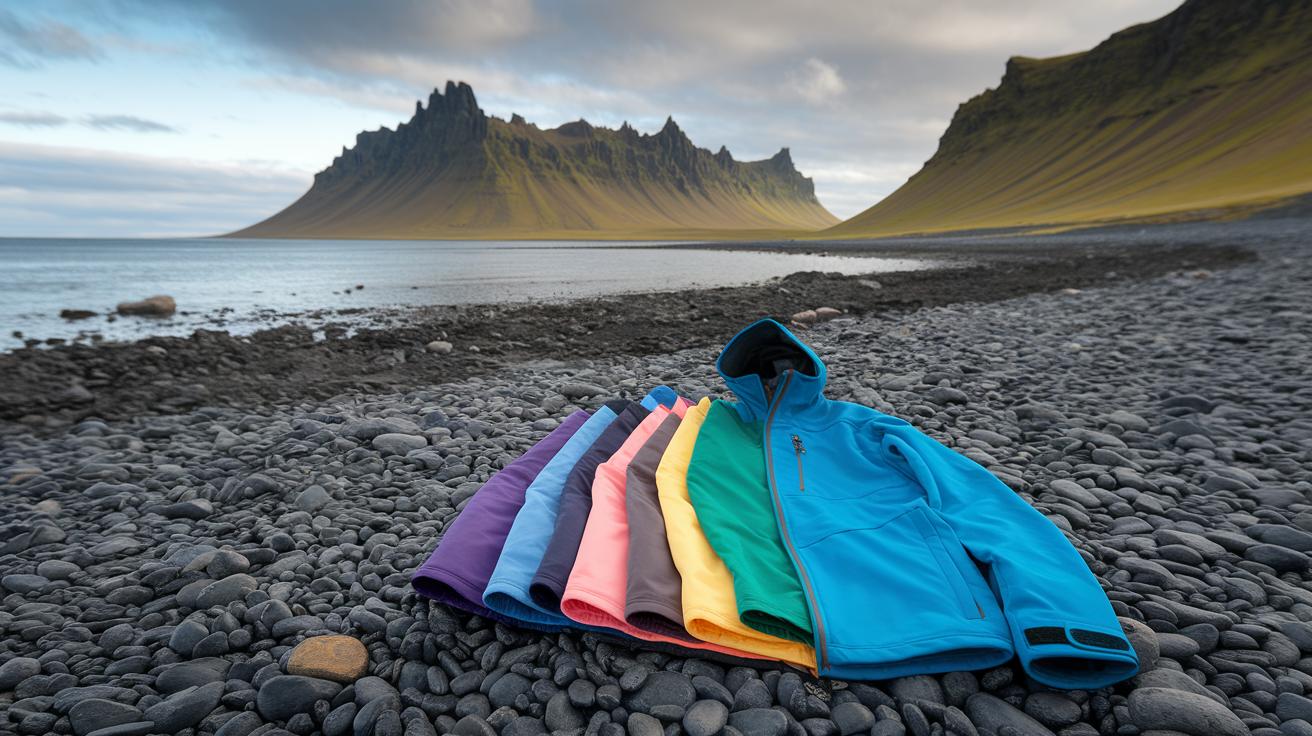
When you’re getting ready for Iceland, staying warm, dry, and comfy is key. I always pack layered clothes: start with a soft merino base that pulls moisture away from your skin, add a warm fleece in the middle for extra insulation, and top it off with a tough hardshell jacket to keep wind and rain out.
Here’s a little checklist to help you pack smart:
- Layered clothing: a comfy merino base, a snug fleece mid-layer, and a reliable hardshell top
- Waterproof, insulated boots paired with gaiters, especially handy for glacier walks
- A few pairs of wool socks along with a warm hat, gloves, and a buff to cover your neck
- Flip-flops or camp slippers for when you’re taking a break at a local pool
- A headlamp – trust me, it can turn a dark, chilly night into a safe adventure
- A power bank to keep your phone and camera charged during long days on the road
- A universal adapter so you can easily plug in your devices
- A local eSIM to stay connected without any fuss
- A small, quick-dry microfiber towel for those surprise messy moments
Before you head out into Iceland’s unpredictable weather, I learned that having a good headlamp made all the difference on a dark trail, it was like having a little bit of daylight wherever I went. Enjoy your adventure!
Transportation and Travel Tips for Iceland Roads
Iceland's roads let you feel the island's wild beauty up close. The famous Ring Road twists nearly 800 miles around, revealing volcanic spectacles and quiet, breezy coastlines. But keep in mind that only sealed or gravel roads are safe for most vehicles. If you're eyeing the rough F-roads, you need a reliable 4WD vehicle. And remember, off-road driving is a no-go to protect the land and avoid fines. It's always a good idea to check weather and road conditions on the Icelandic Road Administration website before setting out.
If you're looking to save some cash, try joining a carpool to cut individual costs. Renting a car gives you total freedom to explore, though it might pinch your wallet, especially if you're not used to icy or rugged terrain. Public buses offer a cheaper way to head to major towns like Reykjavik or Akureyri, and even to the lovely East Fjords. And for those who crave extra adventure, guided super-Jeep tours provide expert help and extra safety while exploring volcanic areas and glacial valleys.
| Mode of Transport | Pros | Cons | Best For |
|---|---|---|---|
| Rental Car | Full freedom to explore | Higher cost | Experienced drivers |
| Carpool | Lower price | Fixed schedule | Budget travelers |
| Public Bus | Wallet-friendly | Limited routes | Major towns |
| Guided Tour | Expert guidance and safety | Less free time | Remote areas |
Plan your route well and pick the transport that suits you best, and you’ll be set to savor every moment on Iceland’s incredible roads. Stay safe and enjoy the ride!
Safety Measures and Cultural Etiquette Travel Tips for Iceland

Iceland's wild landscapes call for extra care. When you're trekking on glaciers or exploring near volcanoes, it's important to be prepared. Imagine lacing up your sturdy hiking boots and snapping on crampons (those helpful metal grips) to keep you safe on slippery paths. If you're venturing out on your own, a personal locator beacon can truly be a lifesaver, especially when alerts warn of volcanic activity in areas like Reykjanes.
Respect for local customs is just as essential. In Iceland, a refreshing shower with soap before hopping into a natural hot spring or public pool is the norm, a simple way to stay considerate. And when you're welcomed into someone's home or a local farm, leaving your shoes at the door shows respect for their traditions.
- Always secure your crampons on icy, slippery glaciers.
- Don’t risk jumping into freezing 35°F (2°C) waters without a knowledgeable guide.
- Take a proper, soapy shower before enjoying any hot springs or pool baths.
- Remove your shoes indoors to honor local customs.
- Stay alert with real-time volcano notifications for your safety.
Following these tips not only keeps you safe amid Iceland’s unpredictable beauty but also shows your appreciation for the local way of life.
Itinerary Basics and Top Travel Tips for Iceland Highlights
Plan your adventure with a flexible schedule that fits both your time and wallet. If you’ve got a week to spare, try this fun 7-day loop starting in Reykjavik. On Day 1, settle into the capital. Day 2 leads you to the stunning Golden Circle where you can feel the buzz of geysers and explore old landmarks up close. Then, on Day 3, take a drive along the South Coast; stop to admire the mighty waterfalls like Skógafoss and Seljalandsfoss that will truly electrify your senses. Day 4 is your chance to wander around Skaftafell and gaze at one of Iceland’s breathtaking glaciers. Day 5 offers a scenic ride into the East Fjords with dramatic coastal views that make every turn a photo opportunity. On Day 6, head toward Mývatn – a spot famous for its steamy landscapes and friendly birds. Finally, on Day 7, wrap up your journey by returning via Akureyri, a charming town that lets you enjoy a slice of Icelandic life.
If you’re lucky enough to have extra days, consider stretching your trip to 10 days. This gives you the freedom to explore the Snæfellsnes Peninsula, often called “Iceland in Miniature,” and the calm Westfjords where wild coastlines meet peaceful fjords. And here’s a little tip: skip the pricey Blue Lagoon. Instead, dive into a free local town pool where you can soak up warmth and local vibes without breaking the bank.
For an even richer experience, join a local village festival and get a genuine taste of Icelandic culture. When it comes to places to stay, how about a night on a local farm? It’s a budget-friendly alternative that lets you connect on a personal level with your hosts and see the true side of Iceland’s community life.
At the end of the day, whether you’re planning a quick getaway or a longer adventure, remember to adjust your plan based on what you love the most. Enjoy the freedom to change your itinerary on the fly while you take in those magical glaciers, roaring waterfalls, and raw volcanic fields that make Iceland so uniquely enchanting.
Northern Lights Viewing Strategies and Travel Tips for Iceland
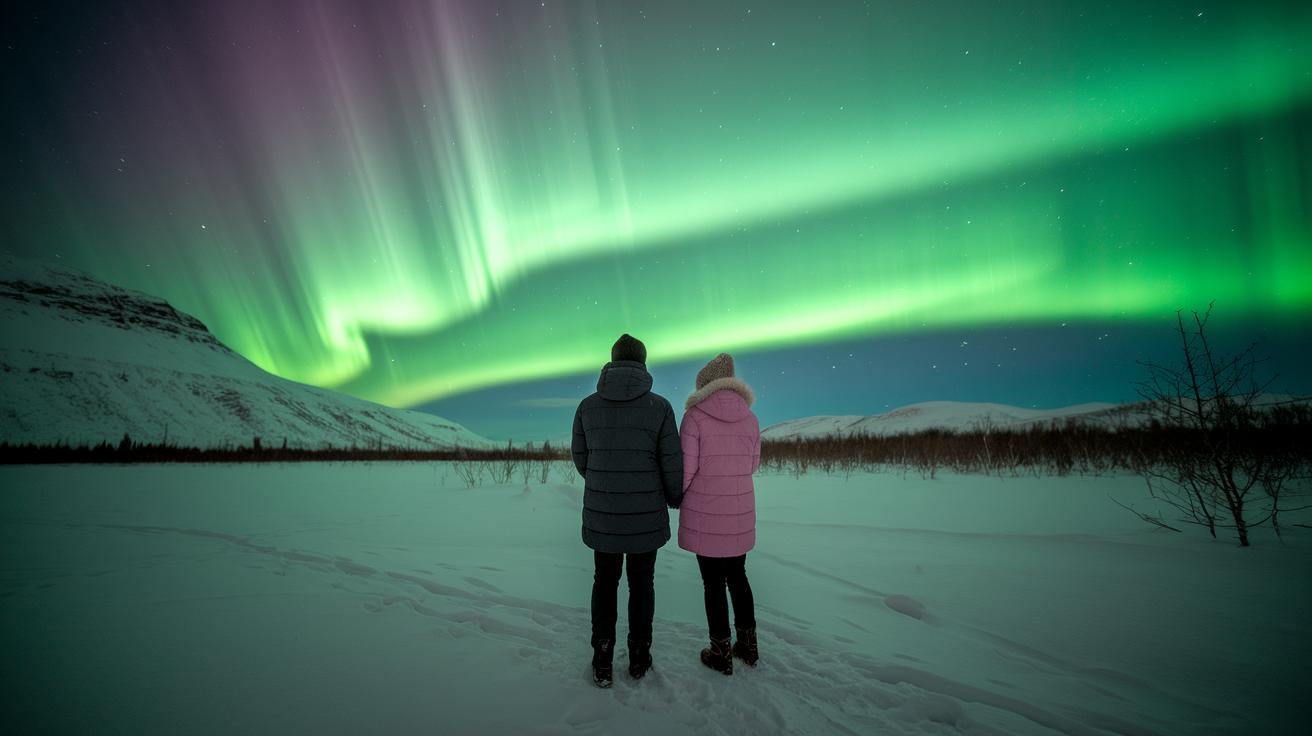
When planning your next aurora adventure, remember that the best time to see the lights is from late September through mid-April. I like to start by checking the Icelandic Met Office aurora forecast, clear, cold nights without a bright moon give you the perfect setting for nature’s dazzling show. For example, if the forecast looks promising on a cool evening, consider heading to a dark, north-facing spot like Þingvellir National Park where city lights are few and far between.
As you get ready for hours under the stars, dress in layers. A moisture-wicking base, a cozy mid-layer, and a waterproof jacket will keep you comfortable during your wait. Bring a thermos of your favorite hot drink to help warm your hands, trust me, it makes all the difference on a crisp night. Also, try to find a parking spot away from highway glare; this allows your eyes to adjust naturally to the dark. No special permits or fees are needed, but arriving early might just reward you with the best view. And don’t forget to use a trusted aurora app to keep an eye on any sudden weather changes.
- Check weather and aurora forecasts
- Choose dark, north-facing spots
- Dress in layers for extended outdoor waiting
- Remain patient and enjoy the sky’s evolving spectacle
Final Words
In the action, we’ve covered everything from smart budgeting and climate prep to packing must-haves and safe road tips. We shared ideas for flexible itineraries and even highlighted how to catch the northern lights. Practical advice on local customs and safety makes your trip as smooth as possible. These travel tips for iceland are here to help you tackle any surprise Iceland throws your way. Keep exploring with excitement, knowing you’re set with the best insider insights for Iceland.
FAQ
What travel tips from Reddit and USA travelers should I know about for Iceland?
The travel tips from Reddit and USA travelers suggest planning for unpredictable weather, using car rentals for flexibility, packing layered clothes, and checking local forecasts. They highlight self-catering options to save on meals.
What should I know when visiting Iceland for the first time and what I wish I knew before going?
Visiting Iceland for the first time reveals quick weather shifts and hidden local gems. Many travellers wish they’d known to pack extra layers, secure car rentals early, and budget for cooking meals.
How does traveling to Iceland remain safe amid volcanic activity?
Safety when traveling near volcanoes means following local alerts and the Iceland Met Office. Visitors are safe if they stick to recommended areas, avoid restricted zones, and keep track of eruption warnings.
What is the best time to visit Iceland?
The best time to visit Iceland depends on your interests. Summer brings 24-hour daylight despite changing weather, while winter offers crystal-clear nights perfect for spotting northern lights.
How do Iceland travel packages and guides help with planning what to do?
Iceland travel packages often bundle car rentals, lodging, and glacier tours for savings. A travel guide offers helpful insights on local dining, sightseeing, and free geothermal pools to simplify planning.
How do Icelanders feel about wearing jeans, and is it acceptable?
Wearing jeans in Iceland might work for urban visits, but they can be impractical in unpredictable weather. For outdoor activities, it’s better to choose moisture-wicking, insulated, and waterproof clothing options.
Do businesses in Iceland accept US dollars?
In Iceland, US dollars are rarely accepted. It’s best to use the local króna or credit cards, which are widely welcomed at restaurants, shops, and throughout local transport services.
How many days are enough in Iceland to see the main sights?
Spending seven days in Iceland is usually enough to cover the highlights along the Ring Road, including waterfalls and glaciers, though extra days can let you explore less typical spots for a richer experience.