Ever thought Italy might not match its picture-book reputation? Well, think again.
Italy has a way of sparking all your senses. Picture lively squares where locals laugh and chat as glasses gently clink, or quiet spots that invite you to take a deep, peaceful breath. This guide helps you plan the perfect Italian trip during those mild, off-peak months. It’s all about skimming past the busy times, soaking up tasty local treats, and uncovering hidden corners you might otherwise miss.
Ready to see why Italy remains a joy-filled escape for so many travelers?
Essential Planning for Travel to Italy

Italy is a true gem in Southern Europe. Nestled beside France, Switzerland, Austria, and Slovenia and kissed by the warm Mediterranean Sea, this country is a patchwork of 20 amazing regions and 34 unique dialects. Each area bursts with its own charm, whether it’s the buzz of lively cities or the peaceful magic of little countryside towns. If you visit during peak season, you might find prices a bit high and places crowded. Instead, consider planning your trip for April, May, September, or October, when the weather is pleasant (around 15–25°C) and the tourist rush is lighter.
When planning your Italian adventure, try to tackle these key steps:
- Pick out the regions and cities that spark your interest.
- Set a budget to cover your travel, meals, and fun experiences.
- Book high-speed train tickets in advance with carriers like Trenitalia or Italo (fares usually range from €20 to €80).
- Find local dining spots and cozy lodging.
- Mark down must-see cultural and historical sites.
- Lock in your travel dates during those shoulder months for a relaxed vibe.
By taking these simple steps, you can craft an easy-going journey that balances sightseeing with time to simply relax. Italy offers a mix of famous cities and hidden treasures that suit every travel taste. A bit of preparation, like learning a few local phrases and checking transport schedules, will help you truly soak up the diverse atmosphere and create unforgettable memories. For more handy advice, take a peek at this detailed travel guide to Italy.
Seasonal Tips for Travel to Italy

Italy is a country of endless surprises no matter when you visit. In spring, you can wander through ancient ruins and sip coffee at cozy outdoor cafés while enjoying pleasant, mild weather. Summer, on the other hand, offers days bathed in sunshine, perfect for beach trips and lively outdoor festivals. Autumn brings a gentle coolness along with local harvests and cultural festivals that let you soak in the local vibe. And in winter, the northern cities become quiet retreats, with snowy mountain views that invite you to relax and reflect.
| Season | Months | Avg Temp (°C) | Crowd Level |
|---|---|---|---|
| Spring | April–June | 15–25 | Moderate |
| Summer | July–September | Up to 35 | High |
| Autumn | September–November | 15–25 | Comfortable |
| Winter | December–March | Varies | Low |
If you're planning a trip, you might find spring and autumn to be especially inviting. These seasons have friendly weather and fewer crowds, making it easier to enjoy peaceful walks and local treats. Summer is bursting with energy, perfect for travelers who love long days filled with excitement. And if you’re after a calm and reflective getaway, or you're planning to try out winter sports, winter in Italy might just be your ideal choice.
Travel to Italy: Safety, Cultural Tips, and Entry Essentials
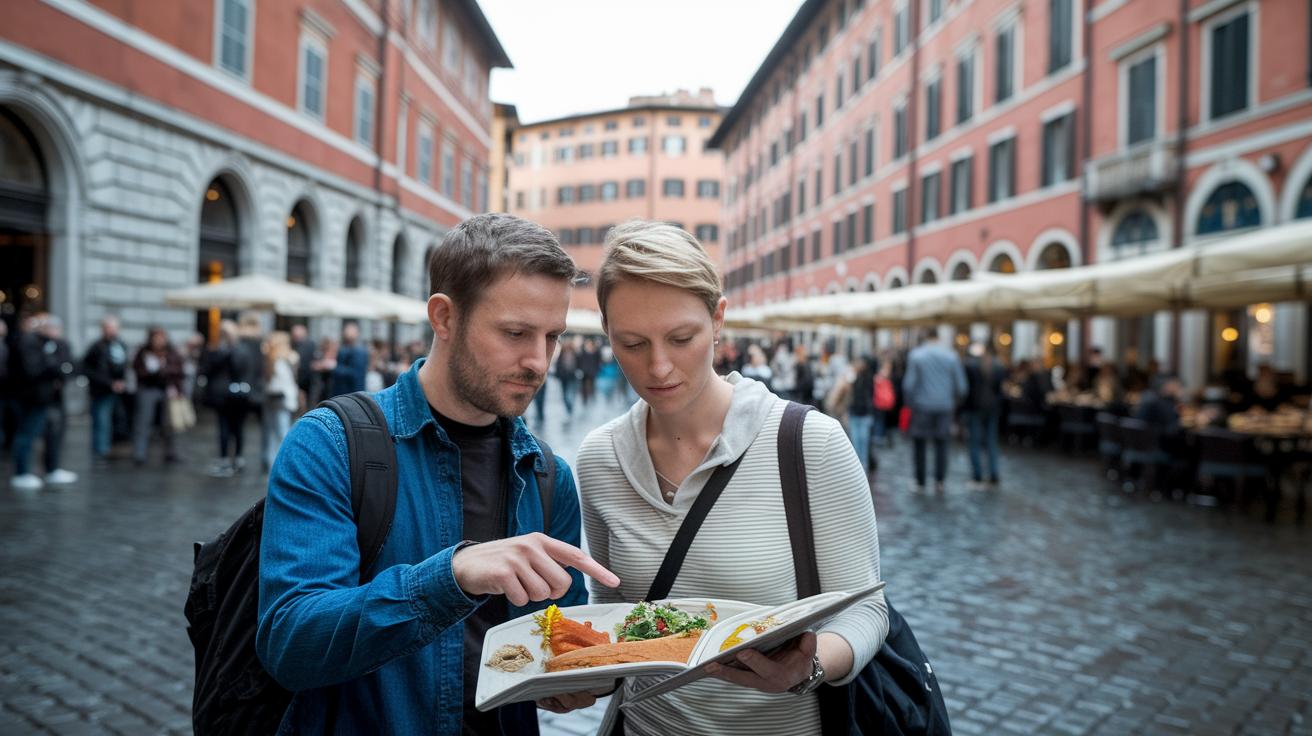
When visiting Italy, it pays to be on your toes, especially in the southern parts where scams can sometimes sneak up on you. Always check the menu prices before you order and give your bill a quick once-over after your meal. This little habit can save you from an unexpected charge. And when you're in crowded spots, keep a close watch on your belongings and avoid dark, lonely streets after the sun goes down. Ever double-checked your bill while enjoying the buzz of a busy piazza and felt like you dodged a bullet?
Italy has its own vibe when it comes to dressing. In places like churches, you'll want to dress a bit more modestly, but don't worry, you can keep it casual when you're strolling along the coast or browsing a local market. Picking up a few basic Italian phrases, like how to ask for the check, not only makes your day smoother but also opens the door to friendlier service and a richer local experience.
And let's not forget the little everyday things: public restrooms usually ask for about €1, and free tap water can be pretty rare. A small stash of change and a reusable water bottle can be your best friends on a hot day. Plus, tipping customs in Italy might be different from home, so it's a good idea to observe what the locals do and adjust accordingly.
Travel to Italy: Transportation and Accommodation Tips

When you're exploring Italy, high-speed trains like Trenitalia and Italo are a great way to jump between cities. Booking your ticket early can snag fares as low as €20, with prices sometimes reaching around €80. Imagine kicking back as you watch the rolling hills and ancient towns pass by, it's like gliding through a living postcard.
For shorter trips, local trains, buses (like FlixBus and Marino), or even fast ferries are your go-to options. Fares can be as low as €5 for regional trips, and if you're in the mood for a little island escape, picture a breezy 50-minute ferry ride to Capri for about €28. It's an affordable and fun way to mix up your adventures.
When it's time to rest your head, Italy offers plenty of charming choices. Think of family-run B&Bs or boutique hotels on the outskirts of bustling cities that give you a true taste of local life without breaking the bank. Sure, renting a car might seem tempting for those quiet countryside roads, but most travelers find that combining public transport with cozy, inviting accommodations is just the sweet spot between comfort and a real adventure.
Travel to Italy: Gastronomic Experiences and Culinary Tips

When you wander through Italy, you're stepping into a world bursting with unique tastes. Every region has its own magic, northern kitchens craft creamy risottos paired with crisp white wines, while down south, you’ll find hearty pasta dressed in rich tomato sauce and bold red blends. Imagine a bustling Sicilian market where a cheerful vendor might say, "Our fresh cannoli tastes like sunshine on a summer day!" It’s an open invite to explore Italy’s flavorful secrets.
Meals here are a shared celebration among family and friends, served as a cascade of small courses. You might start with simple antipasti and light salads, then enjoy regional favorites that carry the scent of old traditions, and finally, delight in sweet treats. Locals often nudge you to try street food or sample market bites because every little flavor tells a story. Picture yourself taking a break with a crisp, fresh bruschetta that whisks you away to a cozy Italian kitchen.
A little tip: steer clear of busy spots near the major sights where flashy menus and pushy tactics can take the joy out of dining. And since free tap water is a rarity here, opt for bottled water or refill your trusty reusable bottle at a public fountain. Double-check your bill, relax, and savor every mouthful.
Travel to Italy: Must-Visit Destinations and Itineraries

Rome: Three Days in the Eternal City
Start your Roman adventure with a relaxed 2 km stroll through ancient piazzas, where you can sip a cappuccino in a cozy café and let the city’s timeless charm wash over you. On the second day, set off on a visit to the famous Colosseum, tickets run about €18, and if you’re under 25, you might even snag a discount. By day three, head over to the wonder of Vatican City. Wander around St. Peter’s Basilica for free, try a handy audio guide for roughly €7, climb the dome for a small fee between €8 and €10, and explore stunning museums for about €20 plus a €5 booking fee. Each step in Rome feels like living a page of history!
Florence: Two Days of Art and Architecture
In Florence, every corner bursts with Renaissance artistry and vibrant street life. Spend two days diving into a world of beautiful art, using the Brunelleschi Pass (€30) to explore the Duomo and nearby treasures. Meander along the Arno River, cross quaint bridges like the famous Ponte Vecchio, and step into the Uffizi Gallery to admire masterpieces up close. Enjoy the easygoing vibe as you treat yourself to local delicacies in delightful, narrow alleys.
Venice: Two Days of Canals and Culture
Venice is a dreamy blend of winding canals and centuries-old history. Begin with a visit to St. Mark’s Basilica, where entry starts at around €3, and later, climb the bell tower for a modest fee of about €10 plus a small extra charge. Consider exploring the historic Doge’s Palace for about €25 or check out a Venice Rolling Card discount to save a bit. Wrap up your Venetian escape with a half-day trip to the colorful islands of Murano and Burano, where art and local charm mingle on the water.
Amalfi Coast: Positano and Amalfi in Two Days
The Amalfi Coast is a treat for the senses. In Positano, wander quiet streets that hug dramatic cliffs and offer breathtaking ocean views. Cruise along winding coastal roads before stopping in Amalfi to visit a beautiful cathedral that asks for a €3 entry fee. Travel between these seaside gems is a breeze with local buses and ferries, which let you relax, enjoy fresh Mediterranean flavors, and take in the stunning coastal scenery.
Cinque Terre: One and a Half Days of Coastal Hiking
Cinque Terre is a colorful mosaic of villages connected by trails that burst with sea views. Trek along famous paths like the Via dell’Amore, which links five charming coastal towns. Keep in mind that some trails might close in certain seasons, so check local updates before you head out. When your legs need a break, hop on a regional train to hop between villages and soak in the laid-back coastal vibes. For a custom plan, look into a detailed travel itinerary to get the most out of your visit.
Travel to Italy: Budgeting and Money-Saving Tips

When planning your Italian adventure, try narrowing your focus to just a few must-see spots instead of cramming in endless cities. Focusing on select destinations lets you dive deep into local experiences while saving on travel costs and time. It’s a bit like packing only your favorite clothes, you keep things simple and classy.
Getting around is easier when you book high-speed train tickets ahead of time. Check out deals with providers like Trenitalia or Italo and you might snag a ticket for as little as €20. That little thrill of finding a bargain not only eases your budget but also keeps your travel plans on track.
For extra savings, think about using public transport passes or regional rail subscriptions. These passes cover several trips and help you explore charming towns and vibrant cultural hubs without breaking the bank.
Final Words
In the action, this post lays out a guide that covers planning tips, seasonal pointers, local customs, and smart travel tips for planning your travel to Italy. It breaks down safety steps, transport tricks, tasty dining ideas, and itineraries covering Rome, Florence, Venice, and more. Each section is packed with real advice so you can build your itinerary with confidence and save money along the way. Enjoy your trip with a smile, your next memorable trip awaits around every charming corner.
FAQ
Frequently Asked Questions
Is it safe to travel to Italy right now?
The travel safety in Italy right now depends on updated travel advisories and public health guidelines. Checking official sources before your trip will help you stay informed and secure.
What are the travel requirements for Italy?
Italy travel requirements typically include a valid passport, and in some cases a visa and health documents such as proof of vaccination or negative test results. Always verify current guidelines before traveling.
Is it safe to travel to Italy with the situation in Israel?
The safety of traveling to Italy while there are conflicts nearby depends on current international travel advisories. Italy itself remains stable, but always check the latest security updates for peace of mind.
What do I need for travel to Italy from the USA?
Traveling to Italy from the USA mostly requires a valid passport with several months remaining before expiration. For short visits, U.S. citizens do not need a visa, although extra documentation may be needed.
Do I need a visa to travel to Italy?
Whether you need a visa to travel to Italy depends on your nationality. U.S. citizens can visit without one for short stays, while other nationalities should check with the Italian consulate for specific visa rules.
Is it safe to travel to Italy right now in 2025?
The safety of travel to Italy in 2025 will be determined by updated advisories and health guidelines. Keep an eye on official announcements before planning your trip during that period.
Is it safe to travel to Italy right now from the USA?
The safety for U.S. visitors traveling to Italy is generally stable. However, reviewing the latest travel alerts and health updates right before your trip will help ensure a smooth experience.
What are the current COVID guidelines for travel to Italy?
The COVID guidelines for Italy often require proof of vaccination or a negative test result. It’s best to review the latest Italian health protocols on official websites before your departure.
Is it still safe to travel to Italy right now?
The safety of traveling to Italy right now remains good as long as you follow updated local guidelines and check recent advisories. Staying informed helps guarantee a secure travel experience.
What is the best month to go to Italy?
The best month to visit Italy is during the shoulder seasons, like April, May, September, or October. These months offer pleasant weather and fewer visitors, making sightseeing more enjoyable.
What do Americans need to enter Italy?
Americans entering Italy need a valid passport with at least six months of validity. U.S. citizens can enter visa-free for stays up to 90 days, but checking current entry policies is always wise.
What I wish I knew before going to Italy?
Knowing about peak travel times, local customs, public transport options, and dining etiquette can make your Italian trip smoother. A little research beforehand can help save time and money while enhancing your experience.