
Ever get a bit nervous at the thought of a long car ride? It might seem tiring at first, but a little planning can transform your journey into a string of fun little stops. Imagine treating your drive like a casual adventure where each stop feels like a chance to stretch, grab a bite, or simply enjoy the view.
Here, I'll share some easy tips to help you manage your driving time, plan meal breaks (you know, quick stops for a fresh snack), and pack smartly without any hassle. It’s a bit like packing your favorite snacks for the road, each piece carefully chosen to make the trip feel smooth and exciting.
Try out these ideas and you might just find that your drive turns into a safe, relaxing escape. So go ahead, hit the road and let every mile bring a new, refreshing experience.
Comprehensive Road Trip Planning: Key Tips for Safe, Stress-Free Drives
When you plan your road trip with a clear idea in mind, every mile becomes a part of the adventure. It helps cut down stress and leaves room for those unexpected stops at charming roadside diners or scenic overlooks. In this guide, you'll get friendly tips on setting your driving schedule, planning tasty meal breaks, and arranging well-timed rests. A good plan can turn long stretches of highway into a series of memorable moments.
Try to keep your driving time between 2 and 5 hours each day. This way, you cover some distance but still have plenty of time to enjoy little surprises along the route. Stay within the speed limits to keep things easy and avoid any pesky fines. Stopping regularly for food, a stretch, or a peek at unique local spots keeps everyone on board alert and happy.
When it comes to budgeting, think of it like packing your travel bag: you need the essentials. Jot down costs for lodging, fuel, meals, and parking. Look for ways to save a few bucks, like booking your stays ahead of time or finding low-cost eateries on your way. And don't forget, some rest areas might offer free parking and even interesting views that add to your trip. Smart budgeting means your expenses become part of the fun journey rather than a stress factor.
Next, you'll find easy-to-follow packing checklists, simple car care tips, ideas for an emergency kit, and fun ways to keep entertained on the road. Every tip is shared like advice from a friend, making sure you're safe, comfy, and ready for those delightful detours. Enjoy these clear, down-to-earth suggestions as you get set for a stress-free drive and a great adventure.
Essential Packing Tips for Car Journeys on Road Trips
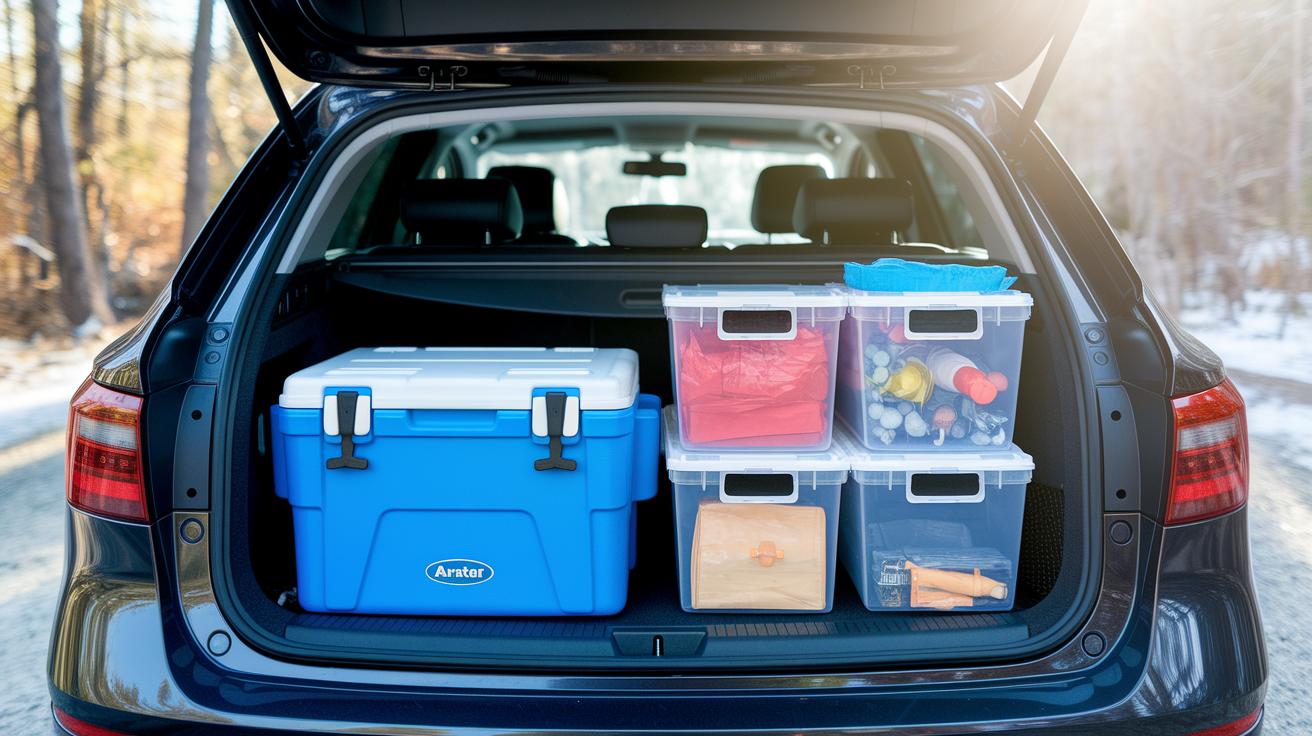
Packing smart can turn your car trip into a smooth and fun ride. When you plan with a simple checklist, every item finds its own place, making your space neat and your mind relaxed. This thoughtful planning lets you kick back and enjoy every mile, ready for new adventures on the road. Think of it as setting the stage for a stress-free journey.
- Coolers with ice packs
- Roll of paper towels
- Hand sanitizer
- Plastic utensils
- Extra napkins
- 30 oz water bottle with ice
- Nuun hydration tablets
- Shelf-stable snacks
- High-speed phone chargers
- Basic first-aid kit and motion-sickness bin
Keeping things organized is a traveler’s best friend. Use clear bins and travel cubes to group similar items so you can quickly grab what you need during stops. For fragile items, choose small compartments and secure heavier things at the bottom. This careful arrangement not only saves space but makes sure your must-haves are within easy reach. Instead of wasting time digging through bags, you can stay focused on the journey ahead. A tidy car creates a relaxed vibe that makes your road trip even more enjoyable, leaving you free to discover all the unexpected treasures along your route.
Vehicle Maintenance and Emergency Kit Tips for Road Trips
Your car deserves some love before you set off on that memorable road trip. Taking a few moments to check your oil, tire pressure, brakes, and fluid levels not only boosts your car's performance but also helps you avoid any unwelcome surprises on the road. A little preventive TLC goes a long way, letting you focus on the adventure ahead.
Getting your emergency kit ready is just as important. Imagine having a toolkit on hand, stuff like spare-tire tools and simple repair gear, that lets you quickly handle those minor hiccups. It means less time worrying and more time enjoying the open road.
| Check | Recommended Frequency |
|---|---|
| Oil & Filter | Before trip or every 5,000 miles |
| Tire Pressure | Monthly and before long drives |
| Brake Inspection | Every 10,000 miles or annually |
| Fluid Levels | Check monthly |
| Spare Tire | Pre-trip and season reviews |
Keep your emergency kit in tip-top shape by stocking it with jumper cables, a tire repair kit, flares, and a trusty basic tool set. When the weather turns cold, throw in some cozy blankets and a small first aid kit to cover the unexpected. Pack everything in durable, sealed containers and check your supplies every now and then. That way, you'll stay confident and ready for whatever little challenges pop up on your journey.
Budget Travel Planning Advice for Road Trips
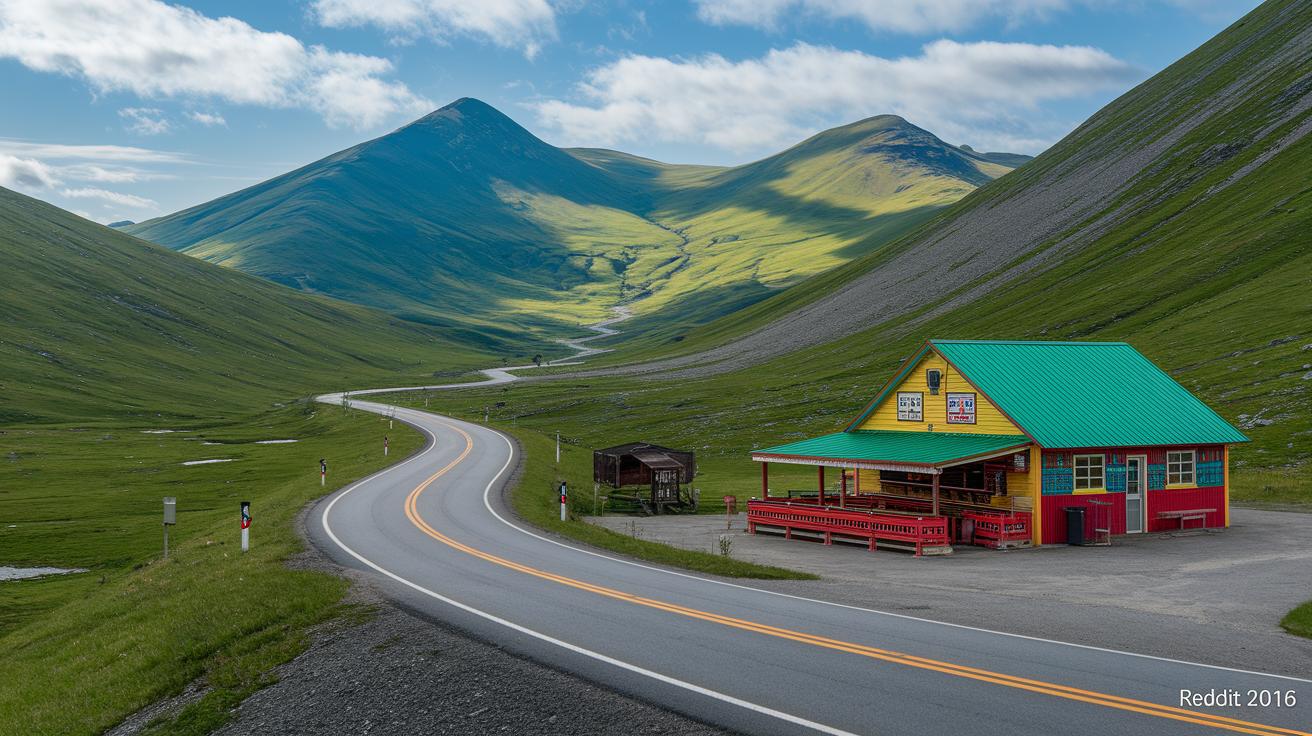
When you hit the road, try to be smooth with the gas pedal. Instead of slamming on the accelerator, ease up and keep your speed steady. Shorter daily drives help you save on gas and cut out pricey hotel nights. This way, you keep more cash for memorable pit stops and cool local experiences.
Skip the usual highway fast food and seek out small, local diners with friendly prices. Look for free or cheap parking spots too, it's the perfect chance to stretch your legs and take in the surroundings. Enjoy a meal that fills your belly and gives you a real taste of the local vibe without draining your wallet.
Use travel apps and offline maps to check gas prices and find great dining deals along your route. This smart planning lets you tweak your journey on the fly, keeping your travel expenses low and your adventure on track.
Long Drive Entertainment Ideas for Road Trips
Sometimes, those long hours on the road can turn into an adventure if you mix up your audio lineup. Why not plug in some cool podcasts, like ones chatting about the latest food trends or just sharing funny stories? Create playlists that jump from upbeat tracks to softer, relaxed tunes, and toss in an engaging audiobook to keep your mind busy. It’s like curating your very own travel soundtrack that makes the miles fly by.
Interactive games are another great trick to break up the drive. Imagine challenging your traveling buddies to a round of trivia or a fun game of license-plate bingo. Throw in some quirky questions or word association games, and before you know it, even red lights turn into a chance to sing or laugh together. These little contests can make the journey feel shorter and turn your drive into a real bonding experience.
And don’t forget to stay refreshed along the way. Fill up a 30 oz water bottle with ice and add some Nuun tablets for that extra zing. Pack some shelf-stable snacks, like crunchy granola bars or your favorite mixed nuts, so you can keep your energy up without any hunger bugs. These simple habits can make every stretch of your trip feel a bit lighter and a lot more fun.
Scenic Route and Itinerary Planning for Road Trips

Planning your drive can be exciting and relaxed at the same time. Try to set up a solid schedule but leave plenty of room for unexpected stops along the way. Imagine spending 2–3 hours each day strolling through a local park or taking a quiet hike, it really adds a sparkle to your journey. Also, swing by a national or state park for that touch of nature, and keep an old-fashioned paper map handy for extra peace of mind.
Digital Mapping Tools
Today’s apps make trip planning feel like a breeze. Use tools like AllTrails to peek at nearby hiking spots (those are awesome trails that let you connect with nature) and iExit to find rest stops where you can grab a bite or take a break. A smart GPS can reroute you if anything unexpected pops up, saving you time and stress. With real-time alerts about traffic or road changes, you’re free to adjust your plans as you go.
Offline and Analog Backups
Even with all these digital wonders, having an offline backup is a traveler’s best friend. Before you head into areas with weak cell service, download offline maps so you never lose your way. And keep a paper map in your car, it’s a trusty sidekick when technology falters. Dedicate a spot just for these backups and update them often. This little extra effort helps you stay on track, even if your device runs out of battery or the weather messes with your signal.
Remember, keeping your itinerary flexible leaves room for those little unplanned discoveries that make your road trips truly special.
Family and Solo Travel Suggestions for Road Trips
When planning family road trips, try to keep your driving stretches short, about 2 to 3 hours a day works best. It keeps kids upbeat and alert. One fun idea is to bring a yarn-and-clothespin tracker so the little ones can see how close you are getting to your destination. They can clip on their clothespin and watch it move closer as you travel.
Remember to schedule plenty of breaks. A quick stop at a playground or rest area lets kids run around and even enjoy a snack in the car. And if you're traveling with a pet, plan extra water stops and a brief stroll to keep them comfy. With these small touches, the whole ride becomes a relaxed and exciting adventure.
For solo travelers, comfort on the road means taking care of yourself along the way. If you can, share the driving or pause for a power nap at a rest stop to recharge. Stick to a regular sleep routine before setting off on a long drive and keep your safety gear within reach. You might enjoy breaking up the drive with a lively podcast or an audiobook for a bit of refreshment. This thoughtful approach transforms long stretches into moments of relaxation and self-discovery.
Final Words
In the action, we covered steps for smooth drives by planning safe limits, packing smart, checking your vehicle, and balancing costs. We chatted about picking in-car entertainment and mapping out scenic stops that mix efficient routes with room to explore. These road preparations can help anyone hit the highway with confidence and ease. Keep these travel tips for road trips handy as you set out to make every mile memorable. Enjoy the ride and savor the moments along the way.
FAQ
What are some travel tips for road trips?
Travel tips for road trips include planning stops for meals, checking vehicle maintenance, and pre-downloading entertainment. They help you break up the drive, manage fatigue, and keep the ride stress-free and fun.
What are road trip tips for families and kids?
Road trip tips for families and kids suggest scheduling short drives, planning rest stops with playgrounds, and keeping snacks and entertainment handy so all family members stay comfortable and engaged.
How do I prepare for a road trip?
Preparing for a road trip means creating a checklist that covers vehicle inspections, packing essentials like emergency kits and handy gadgets, and planning stops to make the drive smoother and more enjoyable.
What are some road trip tips for couples?
Road trip tips for couples encourage sharing driving duties, planning fun stops along the way, and creating a playlist both enjoy to keep the mood light and engaging during your ride.
What are tips for long road trips alone?
Tips for long road trips alone include planning regular breaks, setting up engaging playlists or podcasts, and taking power naps to maintain alertness while enjoying some quiet time on the road.
How can a road trip planner help?
A road trip planner helps by organizing your route, stops for food or sightseeing, and lodging plans. It streamlines your schedule and boosts your confidence on the road for a stress-free drive.
What should I do on a 15-hour car ride?
On a 15-hour car ride, you can mix podcasts, audiobooks, and interactive games to break the monotony. Regular breaks and light stretching also help make the long drive more bearable and fun.
How many hours a day should you drive on a road trip?
The advice for road trips suggests limiting driving to 2–5 hours a day. This schedule allows for rest stops, fuel breaks, and moments to explore, keeping fatigue at bay.
How can I make road trips easier?
Making road trips easier involves pre-planning stops, packing smart essentials, organizing entertainment, and setting a realistic daily driving limit. These steps help keep the drive relaxed and hassle-free.
How do I prepare my body for a long car ride?
Preparing your body for a long car ride means stretching before you leave, staying hydrated, and taking regular breaks to move around. These steps help reduce stiffness and keep you refreshed along the way.